
image63
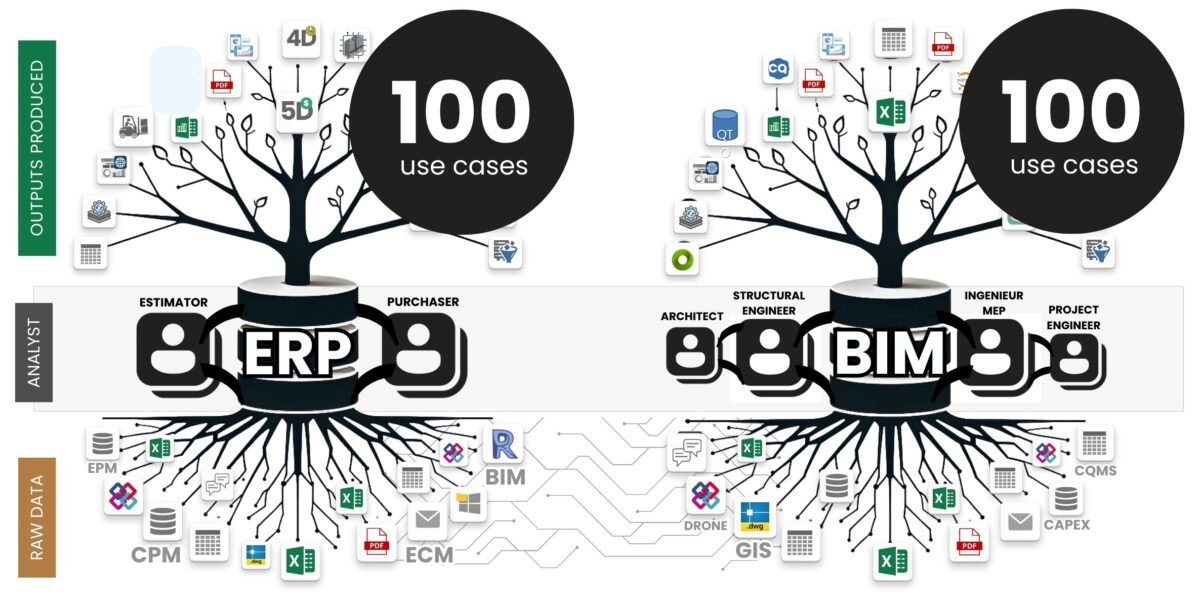
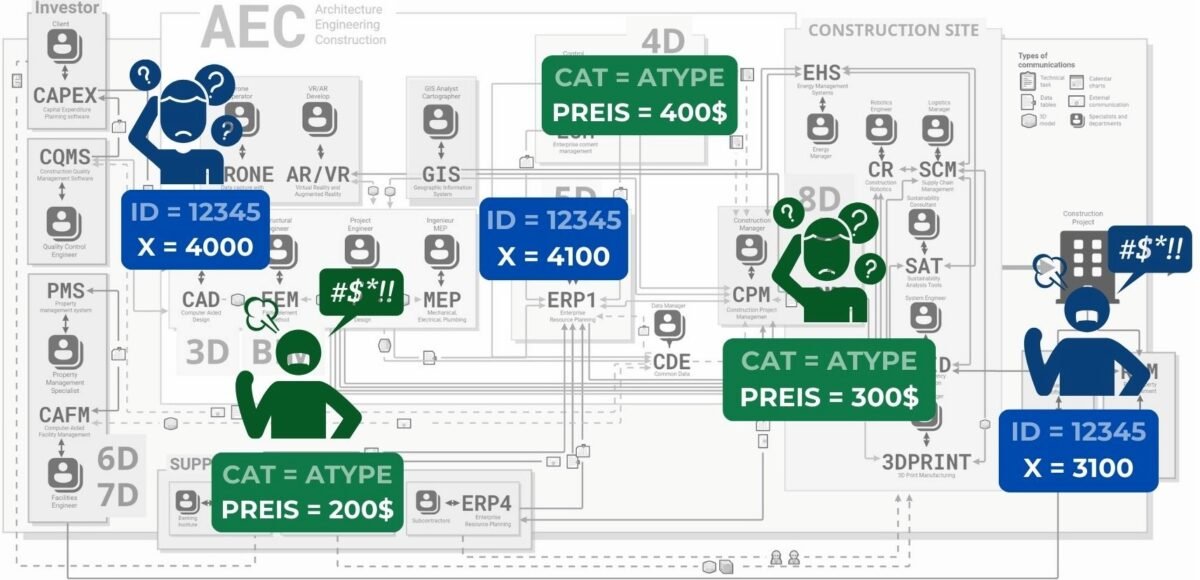
015 Duplication, and lack of data quality as a consequence of disunity
10 June 2025
image54
017 Continuous increase in the complexity and dynamism of business processes
10 June 2025

016 HiPPO or the danger of opinions in decision making

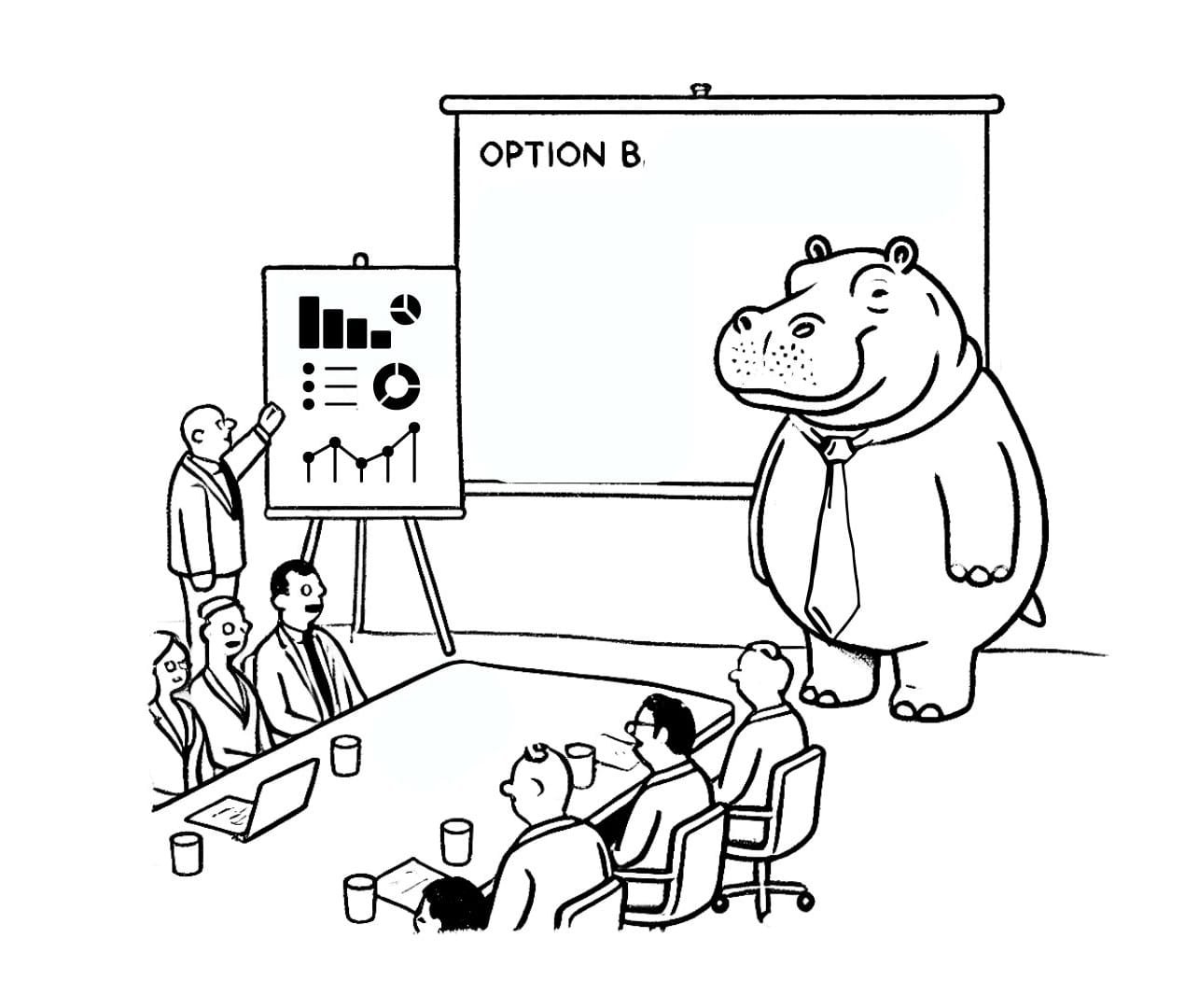
Traditionally, in the construction industry, key decisions are made based on experience and subjective assessments. Without timely and reliable data, company managers have to act blindly, relying on the intuition of the highest paid employees (HiPPO – Highest Paid Person’s Opinion) rather than on objective facts (Fig. 2.1-8).

Grafik 19
Fig. 2.1-8 In the absence of analytics business depends on the subjective opinion of experienced professionals.

This approach may be justified in a stable and slow-changing environment, but in an era of digital transformation, it becomes a serious risk. Decisions based on intuition and guesswork are prone to distortion, often based on unsupported hypotheses, and do not take into account the complex picture reflected in the data

What is passed off as intelligent debate at the decision-making level in a company is often not based on anything concrete. A company’s success should not depend on the authority and salary level of experts, but on the ability to work effectively with data, identify patterns and make informed decisions.

It is important to abandon the notion that authority or experience automatically means the right decision. The data-driven approach is a game changer: data and analytics, not position and salary, are now the basis for decision-making. Big data, machine learning, and visual analytics make it possible to identify patterns and rely on facts rather than guesswork (Fig. 1.1-4).

Without data, you are just another person with an opinion (Forbes, “Without An Opinion, You’re Just Another Person With Data,” March 15, 2016).

– W. Edwards Deming, scholar and management consultant

Modern data management methods also ensure knowledge continuity in the company. Clearly described processes, automation and a systematic approach make it possible to transfer even key roles without losing efficiency.

However, blind trust in data can also lead to serious errors. Data itself is just a collection of numbers. Without proper analysis, context and the ability to identify patterns, they have no value and cannot drive processes. The key to success lies not in choosing between HiPPO intuition and analytics, but in building intelligent tools that transform disparate information into manageable, informed decisions.

In a digital construction environment, it is not seniority and place in the hierarchy that become the decisive success factors, but responsiveness, decision accuracy and resource efficiency

Data are tools, not absolute truths. It should complement human thinking, not replace it. Despite the benefits of analytics, data cannot completely supplant human intuition and experience. Their role is to help make more accurate and informed decisions.

Competitive advantage will be achieved not just by meeting standards, but by being able to outperform competitors in the efficient use of resources that are the same for everyone. In the future, data skills will become as important as literacy or math skills once were. Professionals who can analyze and interpret data will be able to make more accurate decisions, displacing those who rely only on personal experience (Fig. 2.1-9).
Grafik 15
Fig. 2.1-9 Decisions should be based on objective analysis, not the opinion of the highest paid employee.

Managers, specialists and engineers will act as data analysts, studying the structure, dynamics and key indicators of projects. Human resources will become elements of the system, requiring flexible data-driven customization to maximize efficiency.

Errors using inadequate data are much smaller than those using no data (Wikiquote, “Charles Babbage,”).

– Charles Babbage, inventor of the first analytical calculating machine

The emergence of big data and the introduction of LLM (Large Language Models) have radically changed not only the ways of analysis, but also the very nature of decision making. Whereas previously the focus was on causality (why something happened – diagnostic analytics) (Fig. 1.1-4), today the ability to predict the future (predictive analytics) and, in the future, prescriptive analytics, where machine learning and AI suggest the best choice in the decision-making process, is at the forefront.

According to the new SAP™ study, “New Study Finds Nearly Half of Executives Trust Artificial Intelligence More Than Themselves” 2025 (SAP, “New Research Finds That Nearly Half of Executives Trust AI Over Themselves,” 12 Mar. 2025),44% of senior executives would be willing to change their previous decision based on AI advice, and 38% would trust AI to make business decisions on their behalf. Meanwhile, 74% of executives said they trust AI advice more than their friends and family, and 55% work in companies where AI-derived insights replace or often bypass traditional decision-making methods – especially in organizations with annual revenues over $5 billion. Additionally, 48% of respondents use generative AI tools on a daily basis, including 15% who use them multiple times a day.

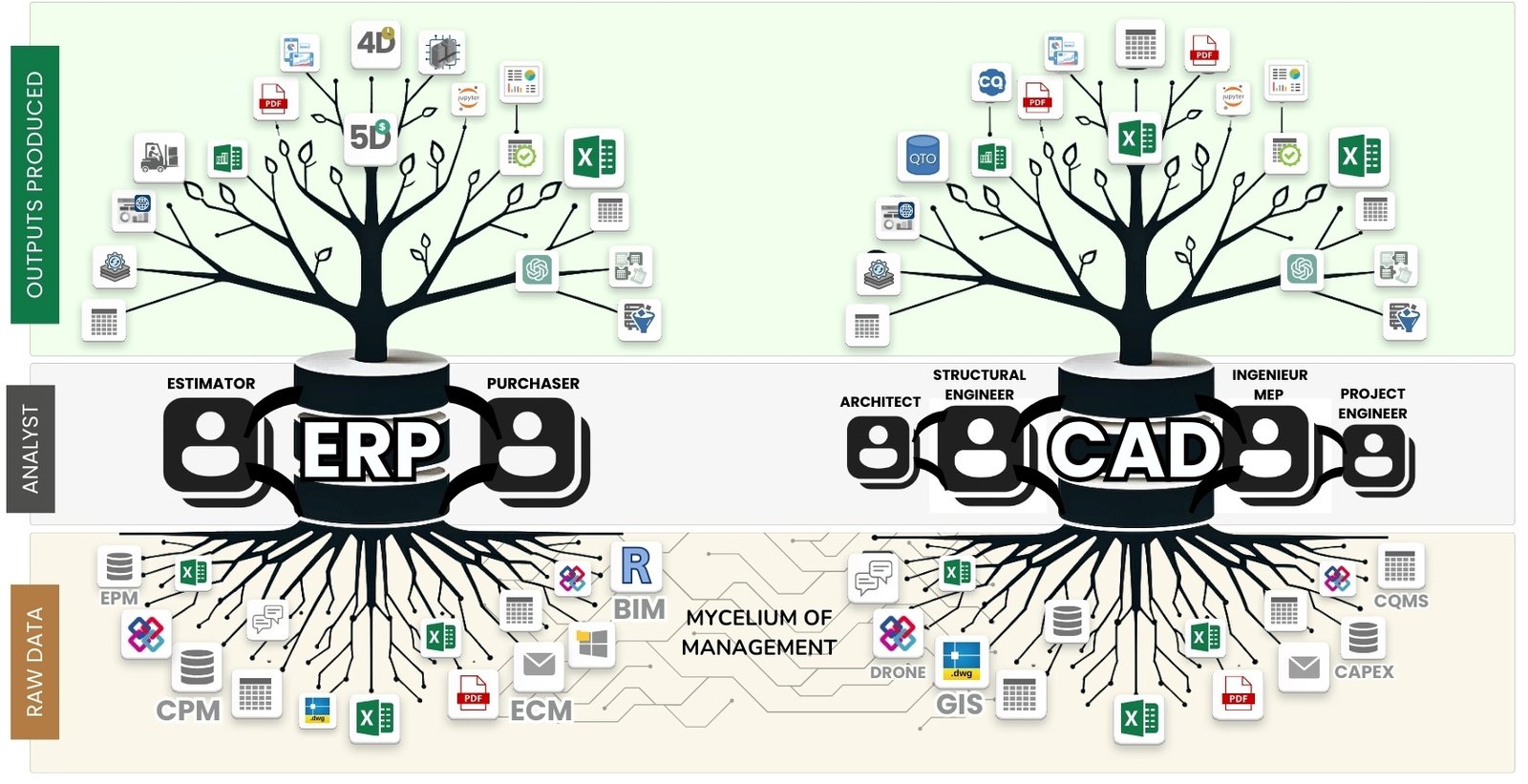
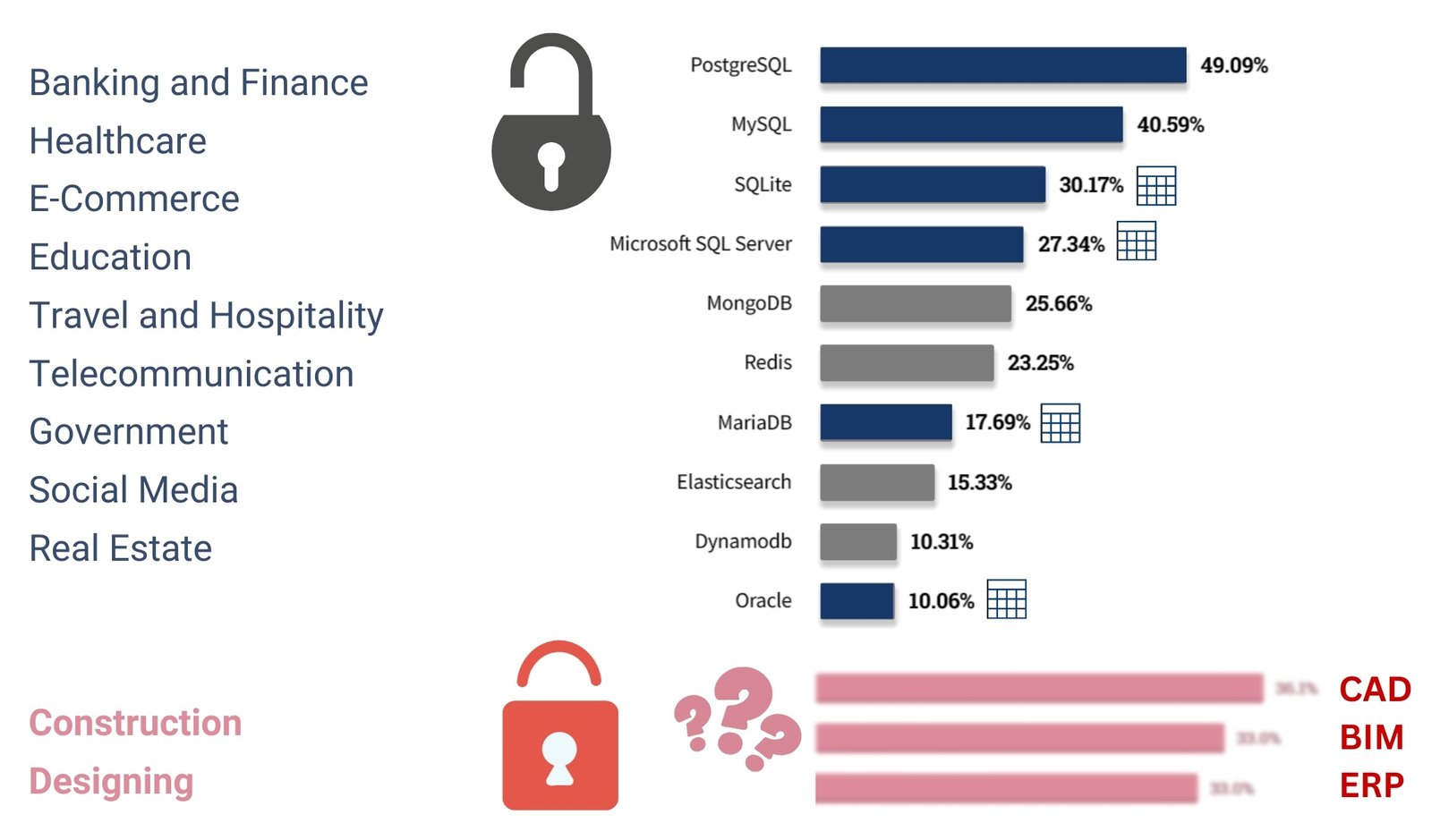
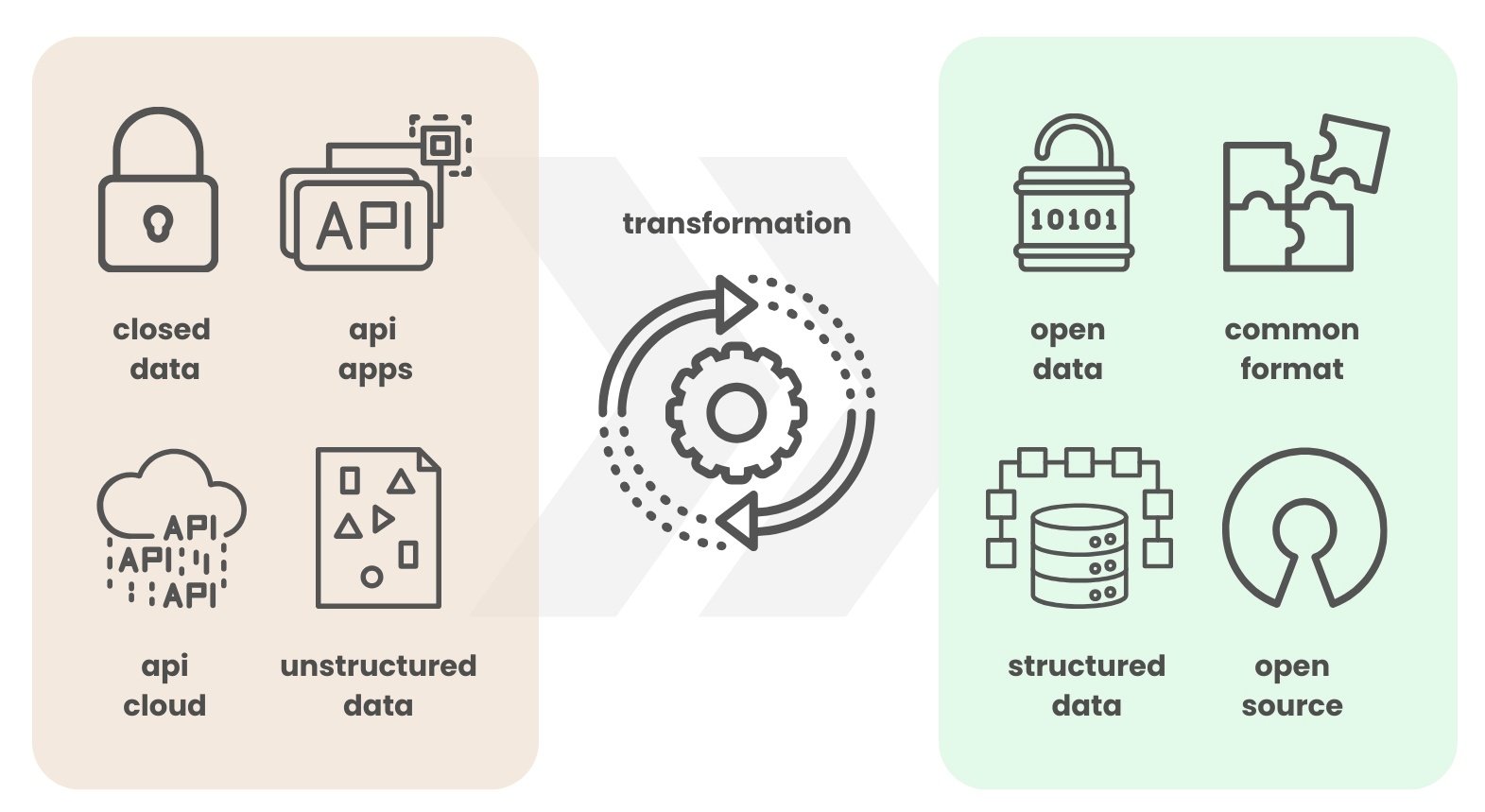
With the development of LLM and automated data management systems, a new challenge arises: how to use information effectively without losing its value in the chaos of incompatible formats and heterogeneous sources, which is complemented by the growing complexity and dynamics of business processes.

.

Leave a Reply

Change language

Post's Highlights

Stay updated: news and insights


We’re Here to Help

Fresh solutions are released through our social channels

UNLOCK THE POWER OF DATA
 IN CONSTRUCTION

Dive into the world of data-driven construction with this accessible guide, perfect for professionals and novices alike.
From the basics of data management to cutting-edge trends in digital transformation, this book
will be your comprehensive guide to using data in the construction industry.

Related posts 

Focus Areas

navigate
  • ALL THE CHAPTERS IN THIS PART
  • A PRACTICAL GUIDE TO IMPLEMENTING A DATA-DRIVEN APPROACH (8)
  • CLASSIFICATION AND INTEGRATION: A COMMON LANGUAGE FOR CONSTRUCTION DATA (8)
  • DATA FLOW WITHOUT MANUAL EFFORT: WHY ETL (8)
  • DATA INFRASTRUCTURE: FROM STORAGE FORMATS TO DIGITAL REPOSITORIES (8)
  • DATA UNIFICATION AND STRUCTURING (7)
  • SYSTEMATIZATION OF REQUIREMENTS AND VALIDATION OF INFORMATION (7)
  • COST CALCULATIONS AND ESTIMATES FOR CONSTRUCTION PROJECTS (6)
  • EMERGENCE OF BIM-CONCEPTS IN THE CONSTRUCTION INDUSTRY (6)
  • MACHINE LEARNING AND PREDICTIONS (6)
  • BIG DATA AND ITS ANALYSIS (5)
  • DATA ANALYTICS AND DATA-DRIVEN DECISION-MAKING (5)
  • DATA CONVERSION INTO A STRUCTURED FORM (5)
  • DESIGN PARAMETERIZATION AND USE OF LLM FOR CAD OPERATION (5)
  • GEOMETRY IN CONSTRUCTION: FROM LINES TO CUBIC METERS (5)
  • LLM AND THEIR ROLE IN DATA PROCESSING AND BUSINESS PROCESSES (5)
  • ORCHESTRATION OF ETL AND WORKFLOWS: PRACTICAL SOLUTIONS (5)
  • SURVIVAL STRATEGIES: BUILDING COMPETITIVE ADVANTAGE (5)
  • 4D-6D and Calculation of Carbon Dioxide Emissions (4)
  • CONSTRUCTION ERP AND PMIS SYSTEMS (4)
  • COST AND SCHEDULE FORECASTING USING MACHINE LEARNING (4)
  • DATA WAREHOUSE MANAGEMENT AND CHAOS PREVENTION (4)
  • EVOLUTION OF DATA USE IN THE CONSTRUCTION INDUSTRY (4)
  • IDE WITH LLM SUPPORT AND FUTURE PROGRAMMING CHANGES (4)
  • QUANTITY TAKE-OFF AND AUTOMATIC CREATION OF ESTIMATES AND SCHEDULES (4)
  • THE DIGITAL REVOLUTION AND THE EXPLOSION OF DATA (4)
  • Uncategorized (4)
  • CLOSED PROJECT FORMATS AND INTEROPERABILITY ISSUES (3)
  • MANAGEMENT SYSTEMS IN CONSTRUCTION (3)
  • AUTOMATIC ETL CONVEYOR (PIPELINE) (2)

Search

Search

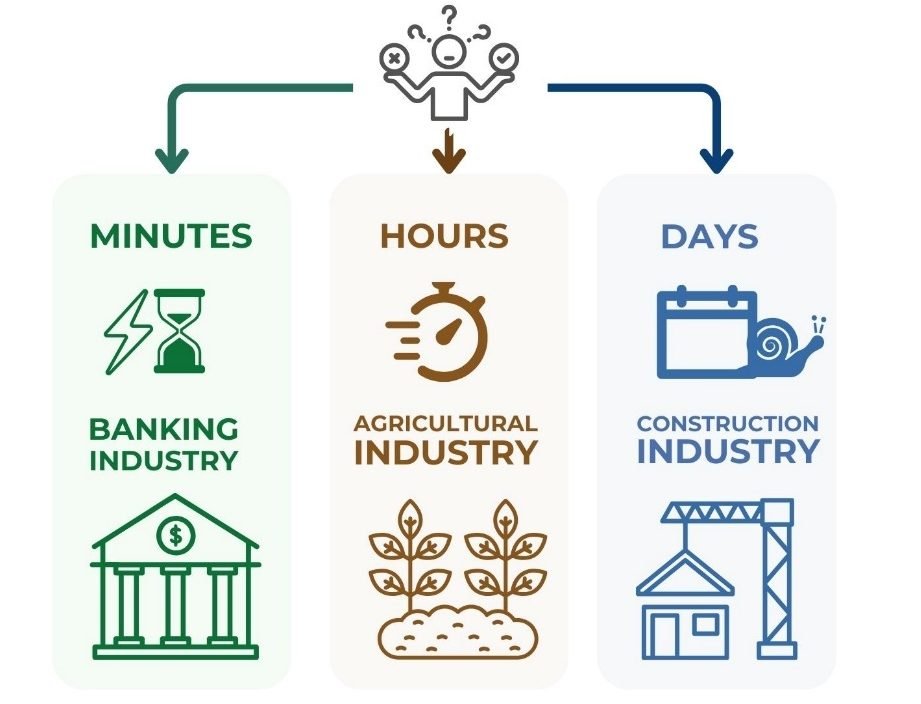
057 Speed of decision making depends on data quality

Today’s design data architecture is undergoing fundamental changes. The industry is moving away from bulky, isolated models and closed formats towards more flexible, machine-readable structures focused on analytics, integration and process automation. However, the transition...
060 A common language of construction the role of classifiers in digital transformation

In the context of digitalization and automation of inspection and processing processes, a special role is played by classification systems elements – a kind of “digital dictionaries” that ensure uniformity in the description and parameterization...

061 Masterformat, OmniClass, Uniclass and CoClass the evolution of classification systems

Historically, construction element and work classifiers have evolved in three generations, each reflecting the level of available technology and the current needs of the industry in a particular time period (Fig. 4.2-8): First generation (early...

Don't miss the new solutions


Linux

macOS

Looking for the Linux or MAC version? Send us a quick message using the button below, and we’ll guide you through the process!


📥 Download OnePager

Welcome to DataDrivenConstruction—where data meets innovation in the construction industry. Our One-Pager offers a concise overview of how our data-driven solutions can transform your projects, enhance efficiency, and drive sustainable growth. 

🚀 Welcome to the future of data in construction!

You're taking your first step into the world of open data, working with normalized, structured data—the foundation of data analytics and modern automation tools.
By downloading, you agree to the DataDrivenConstruction terms of use 

Stay ahead with the latest updates on converters, tools, AI, LLM
and data analytics in construction — Subscribe now!

🚀 Welcome to the future of data in construction!

You're taking your first step into the world of open data, working with normalized, structured data—the foundation of data analytics and modern automation tools.
By downloading, you agree to the DataDrivenConstruction terms of use 

Stay ahead with the latest updates on converters, tools, AI, LLM
and data analytics in construction — Subscribe now!

🚀 Welcome to the future of data in construction!

You're taking your first step into the world of open data, working with normalized, structured data—the foundation of data analytics and modern automation tools.

By downloading, you agree to the DataDrivenConstruction terms of use 

Stay ahead with the latest updates on converters, tools, AI, LLM
and data analytics in construction — Subscribe now!

🚀 Welcome to the future of data in construction!

You're taking your first step into the world of open data, working with normalized, structured data—the foundation of data analytics and modern automation tools.

By downloading, you agree to the DataDrivenConstruction terms of use 

Stay ahead with the latest updates on converters, tools, AI, LLM
and data analytics in construction — Subscribe now!

🚀 Welcome to the future of data in construction!

You're taking your first step into the world of open data, working with normalized, structured data—the foundation of data analytics and modern automation tools.

By downloading, you agree to the DDC terms of use 

🚀 Welcome to the future of data in construction!

You're taking your first step into the world of open data, working with normalized, structured data—the foundation of data analytics and modern automation tools.

By downloading, you agree to the DataDrivenConstruction terms of use 

Stay ahead with the latest updates on converters, tools, AI, LLM
and data analytics in construction — Subscribe now!

DataDrivenConstruction offers workshops tested and practiced on global leaders in the construction industry to help your team navigate and leverage the power of data and artificial intelligence in your company's decision making.

Reserve your spot now to rethink your
approach to decision making!


🚀 Welcome to the future of data in construction!

By downloading, you agree to the DataDrivenConstruction terms of use 

Stay ahead with the latest updates on converters, tools, AI, LLM
and data analytics in construction — Subscribe now!

Have a question or need more information? Reach out to us directly!
Schedule a time to discuss your needs with our team.
Tailored sessions to help your team grow — let's plan together!
Have you attended one of our workshops, read our book, or used our solutions? Share your thoughts with us!
Name
Data Maturity Diagnostics

🧰 Data-Driven Readiness Check

This short assessment will help you identify your company's data management pain points and offer solutions to improve project efficiency. It takes only 1–2 minutes to complete and you will receive personalized recommendations tailored to your needs.

Clean & Organized Data

Theoretical Chapters:

Practical Chapters:

What You'll Find on
DDC Solutions:

  • CAD/BIM to spreadsheet/database converters (Revit, AutoCAD, IFC, Microstation)
  • Ready-to-deploy n8n workflows for construction processes
  • ETL pipelines for data synchronization between systems
  • Customizable Python scripts for repetitive tasks
  • Intelligent data validation and error detection
  • Real-time dashboard connectors
  • Automated reporting systems

Connect Everything

Theoretical Chapters:

Practical Chapters:

What You'll Find on
DDC Solutions:

  • CAD/BIM to spreadsheet/database converters (Revit, AutoCAD, IFC, Microstation)
  • Ready-to-deploy n8n workflows for construction processes
  • ETL pipelines for data synchronization between systems
  • Customizable Python scripts for repetitive tasks
  • Intelligent data validation and error detection
  • Real-time dashboard connectors
  • Automated reporting systems

Add AI & LLM Brain

Theoretical Chapters:

Practical Chapters:

What You'll Find on
DDC Solutions:

  • CAD/BIM to spreadsheet/database converters (Revit, AutoCAD, IFC, Microstation)
  • Ready-to-deploy n8n workflows for construction processes
  • ETL pipelines for data synchronization between systems
  • Customizable Python scripts for repetitive tasks
  • Intelligent data validation and error detection
  • Real-time dashboard connectors
  • Automated reporting systems
016 HiPPO or the danger of opinions in decision making
This website uses cookies to improve your experience. By using this website you agree to our Data Protection Policy.
Read more
×