
Рисунок 9
037 Proprietary formats and their impact on digital processes
10 June 2025
Рисунок 10
039 Paradigm Shift Open Source as the End of the Era of Software Vendor Dominance
10 June 2025

038 Open formats are changing the approach to digitalization

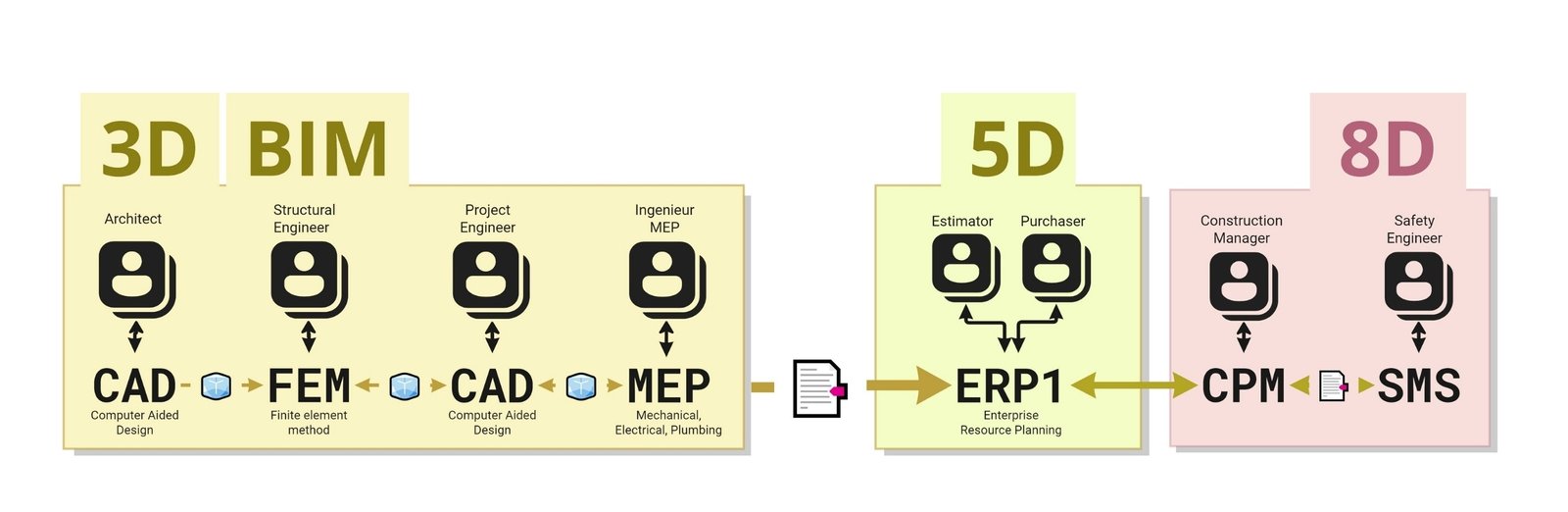
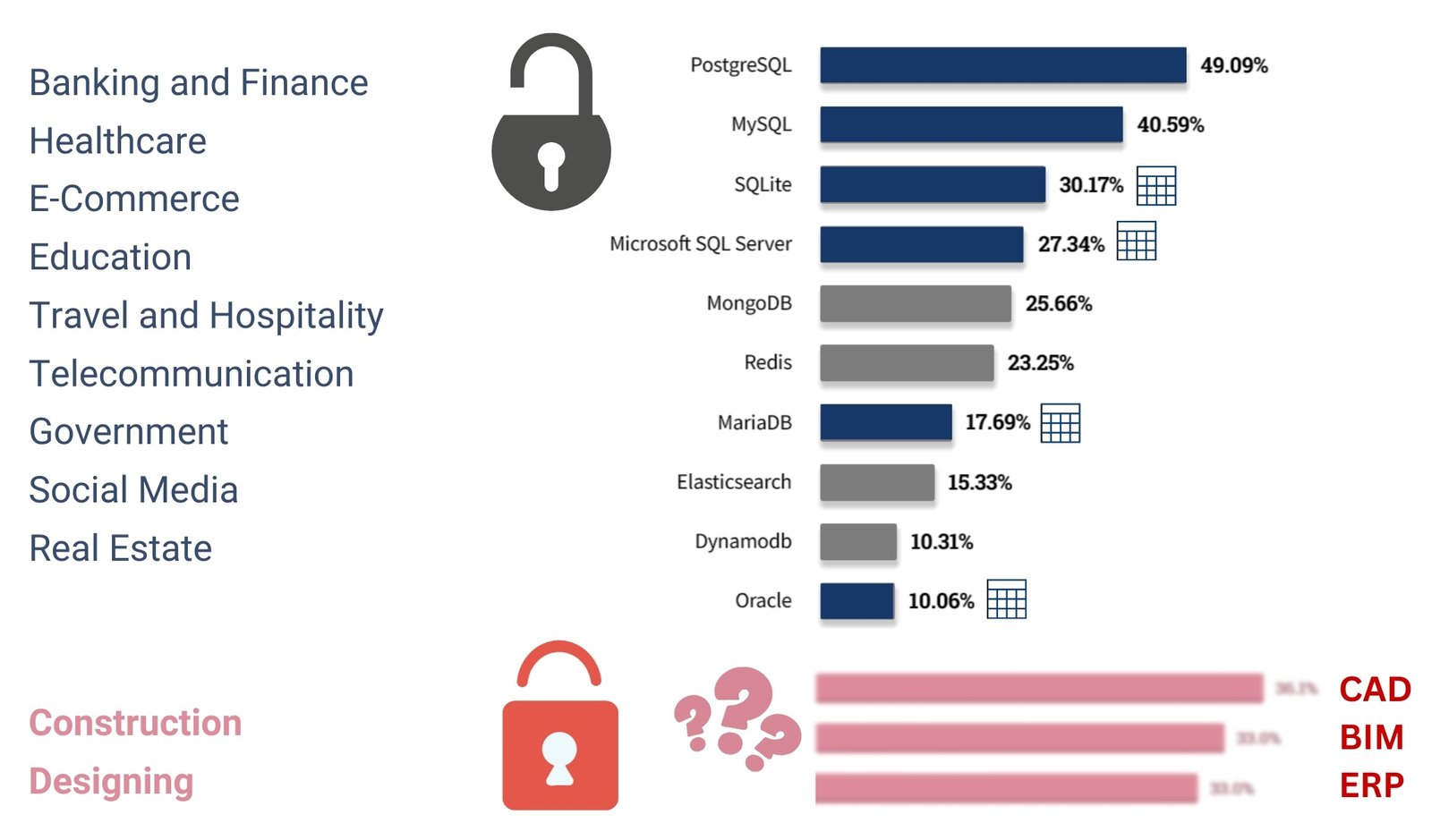
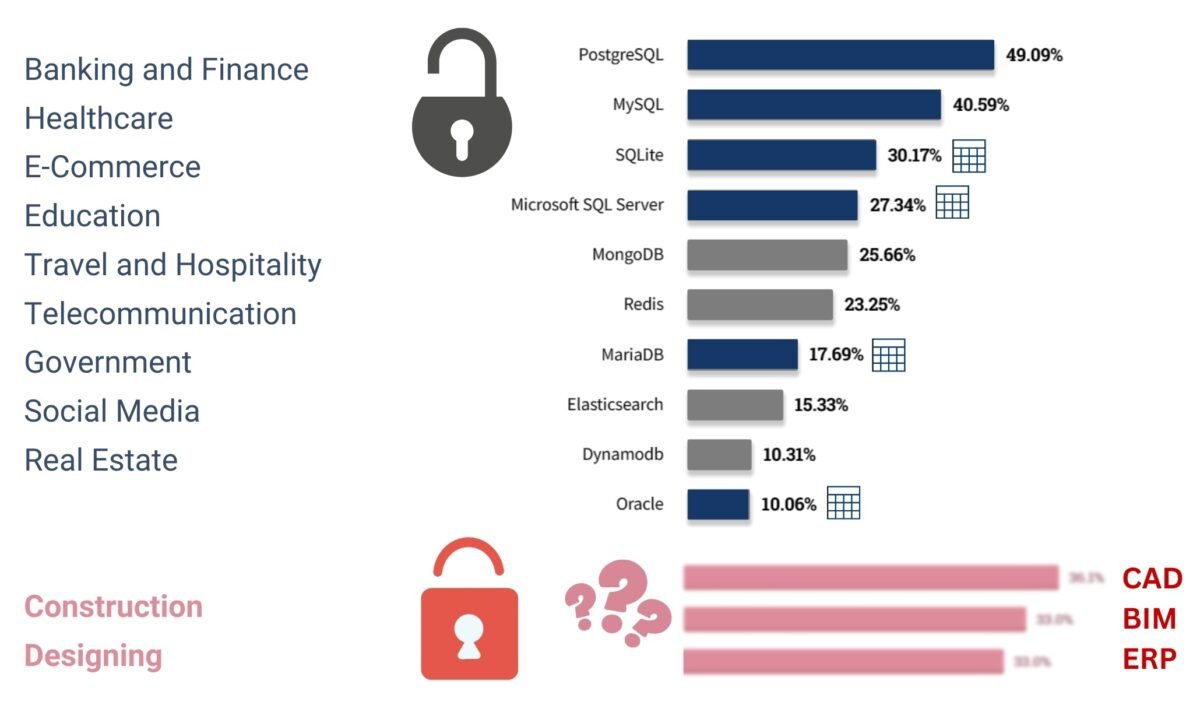
The construction industry was one of the last to address the problem of closed and proprietary data. Unlike other sectors of the economy, digitalization has been slow to develop here. The reasons for this include the traditional conservative nature of the industry, the prevalence of disparate local solutions, and the deep-rooted paper-based workflow. For decades, key construction processes relied on physical drawings, phone calls and unsynchronized databases. In this context, closed formats have long been perceived as the norm rather than an obstacle.

Experience from other industries shows that removing barriers to closed data leads to a surge in innovation, accelerated development and increased competition (B. Cyphers and K. Doctorow, “Privacy without Monopoly: Data Protection and Interoperability,” 2024). In science, the exchange of open data allows to accelerate discoveries and promote international cooperation. In medicine, it can improve the efficiency of diagnosis and treatment. In software engineering – to create ecosystems of co-creation and rapid product improvement.

According to the McKinsey report “Open Data: Unlock Innovation and Productivity with Information Flow” 2013 (McKinsey Global Institute, “Open data: Unlocking innovation and performance with liquid information,” October 1, 2013), open data has the potential to unlock $3 to $5 trillion annually across seven key industries, including construction, transportation, healthcare, and energy. According to the same study, decentralized data ecosystems enable large construction companies and contractors to reduce software development and maintenance costs, accelerating digital adoption.

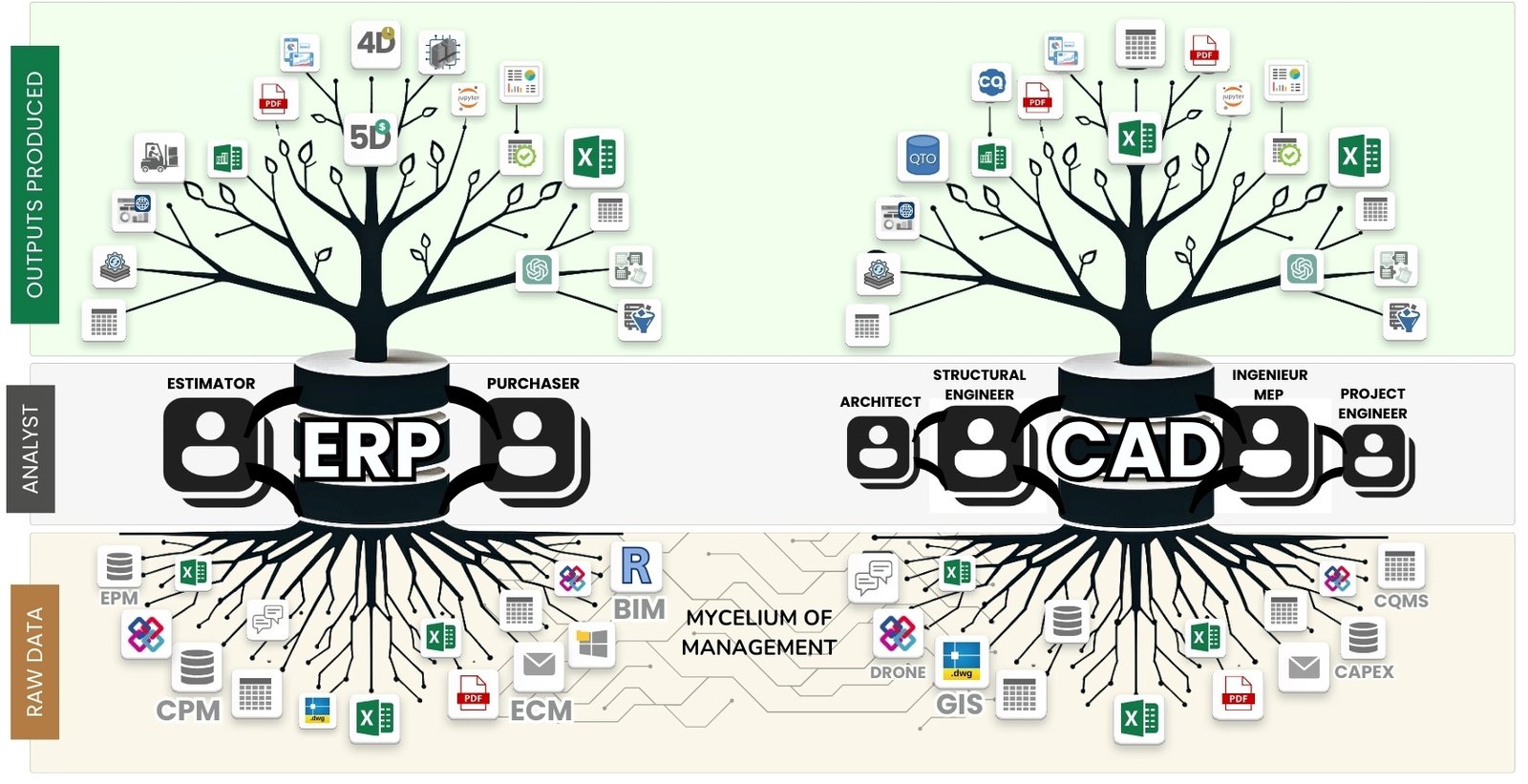
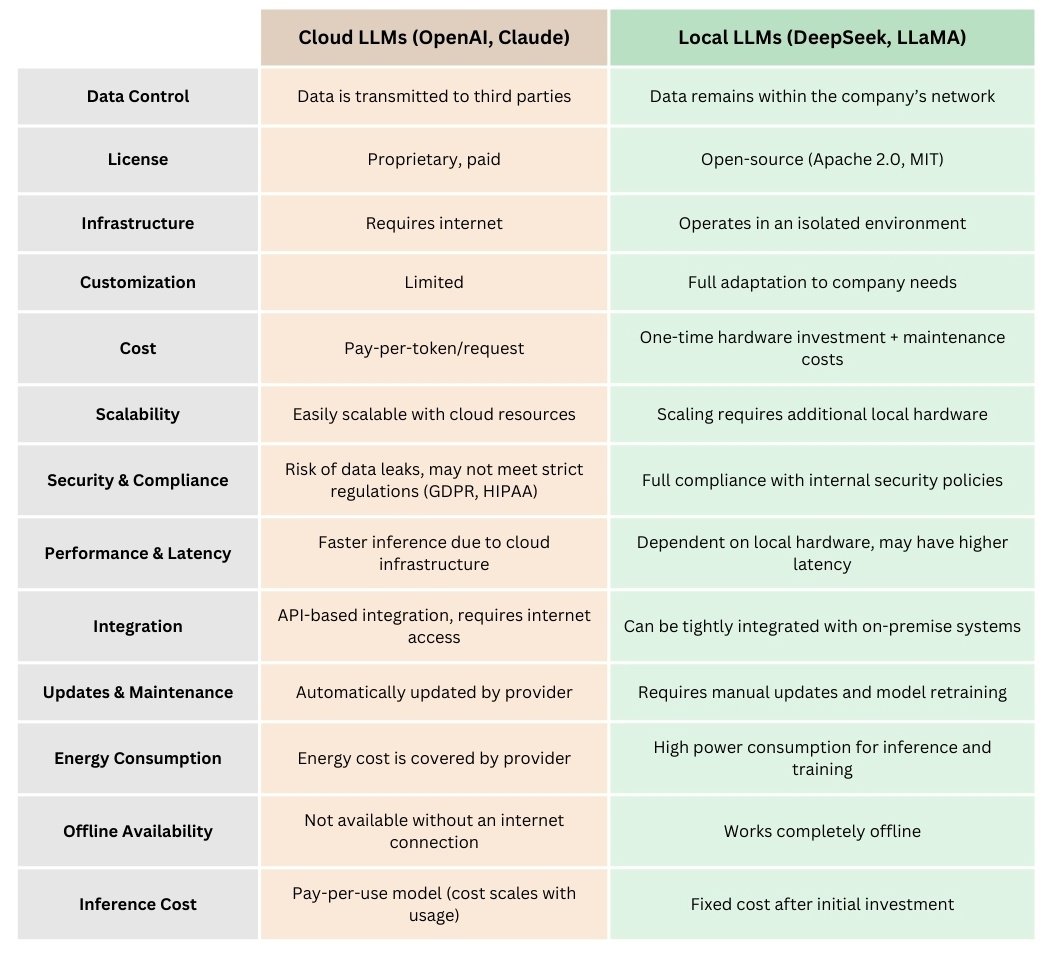
The transition to open architectures, which has long started in other sectors of the economy, is gradually embracing the construction industry. Large companies and public clients, and especially financial organizations that control investments in construction projects, are increasingly demanding the use of open data and access to the source code of calculations, calculations and applications. Developers are no longer just expected to create digital solutions and show the final figures of a project – they are expected to be transparent, reproducible and independent of third-party application vendors.

Using open source solutions provides the customer with the assurance that even if external developers stop collaborating or leave the project, it will not affect the ability to further develop tools and systems. One of the main benefits of open data is its ability to eliminate the dependence of application developers on specific platforms to access data.

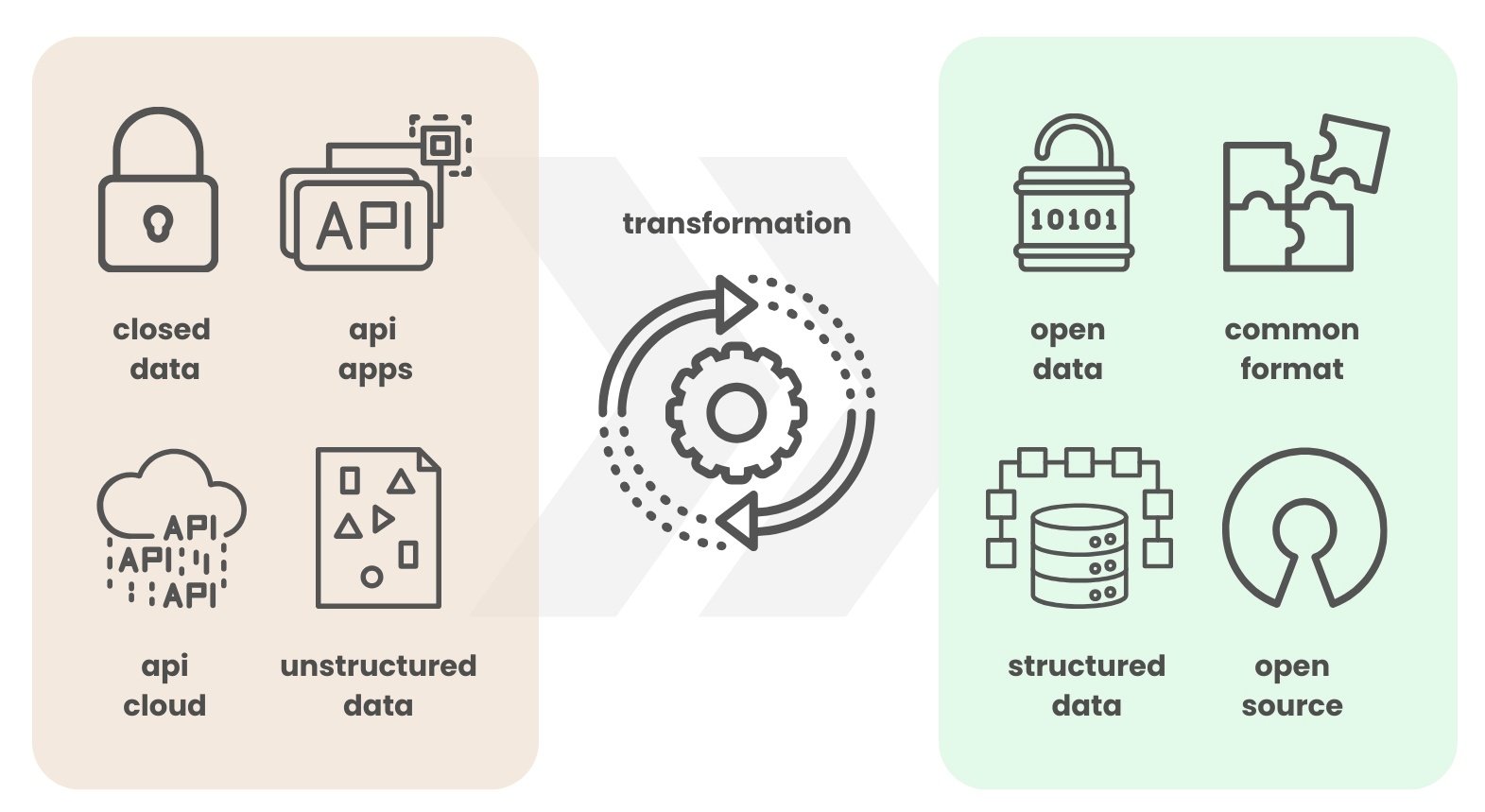
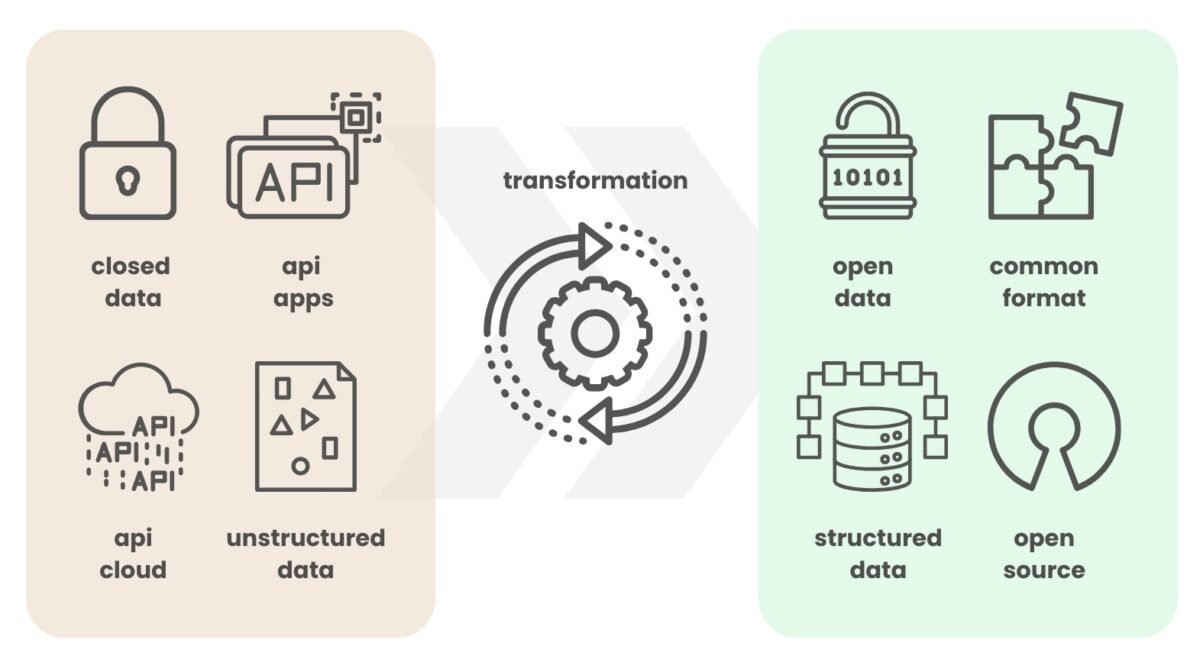
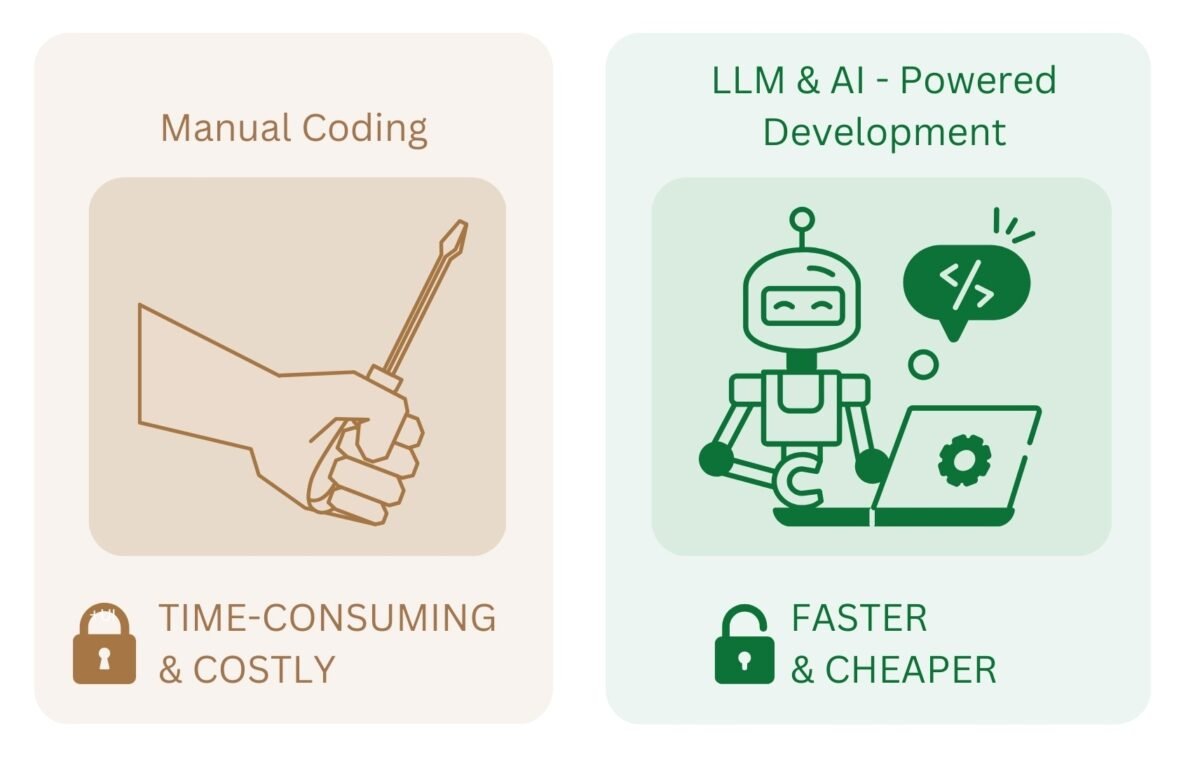
If a company cannot completely abandon proprietary solutions, a possible compromise is the use of reverse engineering techniques. These legal and technically sound methods allow closed formats to be transformed into more accessible, structured and suitable for integration. This is especially important when connecting to legacy systems or migrating information from one software landscape to another is required.

One of the brightest examples in the history of transition to open formats and the use of reverse engineering (legal hacking of proprietary systems) in construction is the history of the struggle to open the DWG format, widely used in computer-aided design systems (CAD). In 1998, in response to the monopoly of one software vendor, the other 15 CAD vendors formed a new alliance called “Open DWG” to provide developers with free and independent tools to work with the DWG format (the de facto standard for drawing transfer) without the need for proprietary software or closed APIs. This event was a turning point that allowed tens of thousands of companies to get free access to the closed format of a popular CAD solution from the late 1980s to today and create compatible solutions that fostered competition in the CAD market (А. Boiko, “The struggle for open data in the construction industry. The history of AUTOLISP, intelliCAD, openDWG, ODA and openCASCADE,” 15 05 2024).Today, the “Open DWG” SDK, which was first created back in 1996, is used in almost all solutions in which it is possible to import, edit and export DWG format, outside the official application of the DWG format developer.

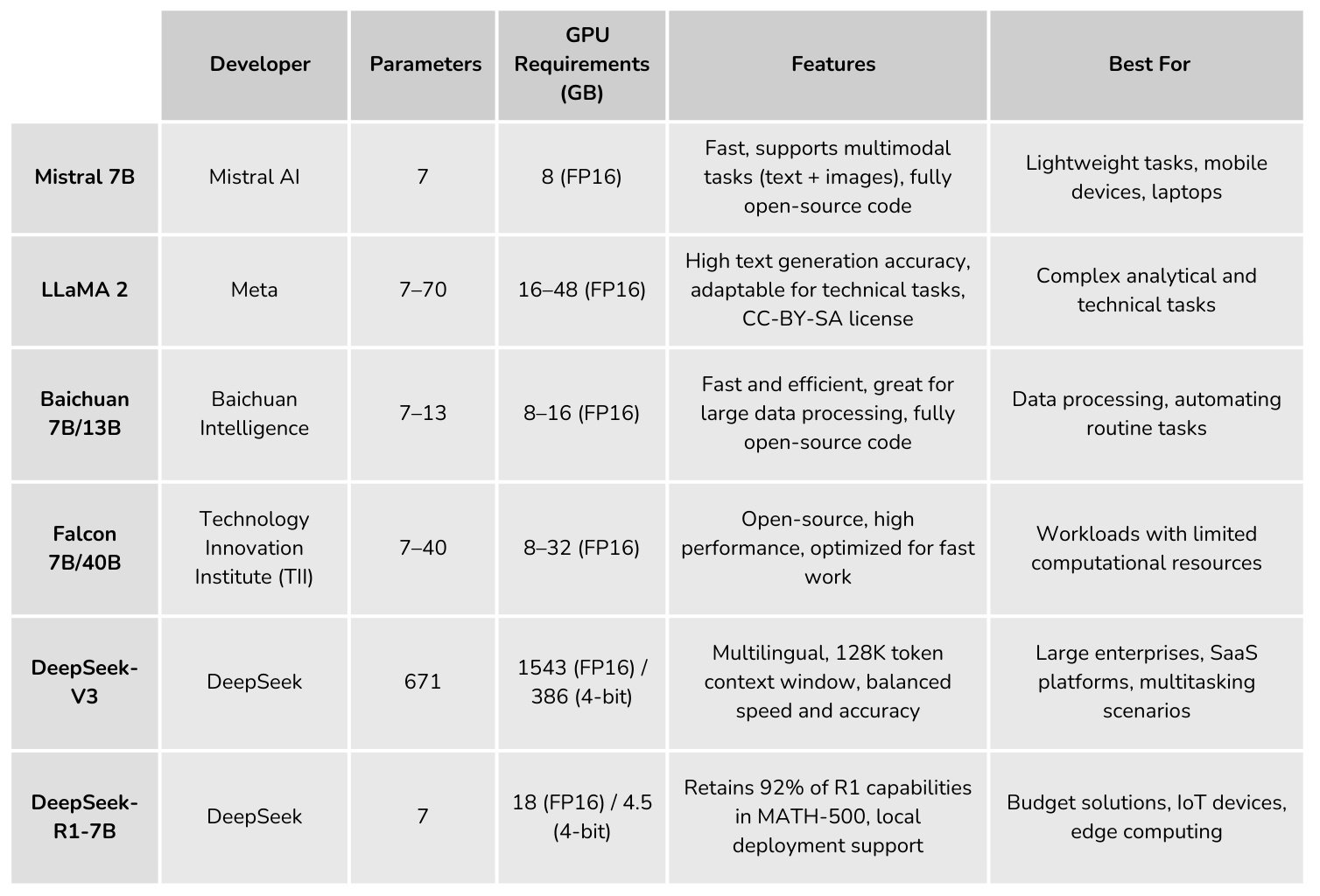
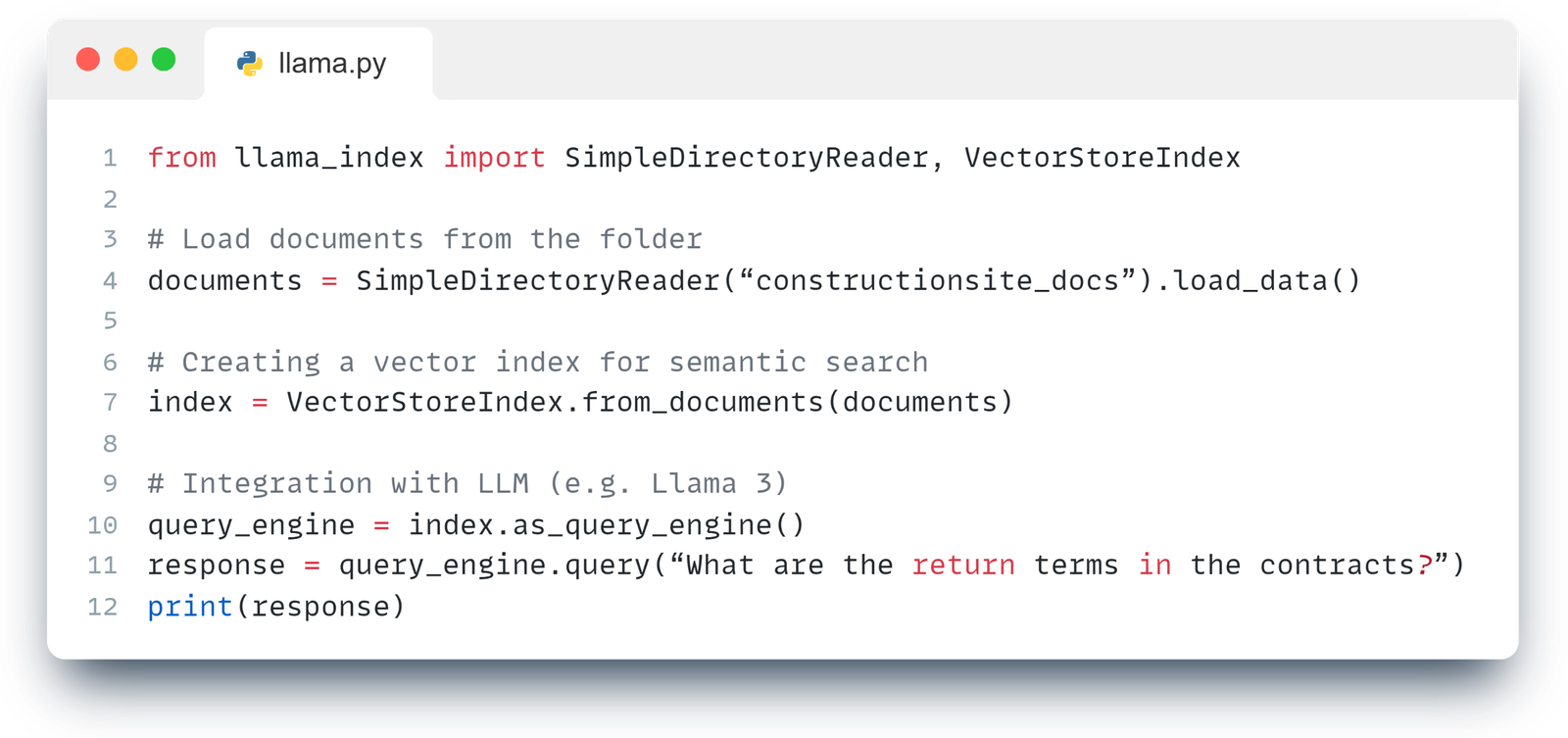
Other technology giants are forcing similar transformations. Microsoft, once a symbol of proprietary approach, opened up the.NET Framework source code, started using Linux in the Azure cloud service infrastructure, and acquired GitHub to strengthen its position in the Open Source community (Wikipedia, “Microsoft and open source,”). Meta (formerly Facebook) released open source AI models, such as the Llama series, to foster innovation and collaboration in AI agent development. CEO Mark Zuckerberg envisions that open sourceplatforms will lead the way in technological advancements over the next decade (TIME, “The Gap Between Open and Closed AI Models Might Be Shrinking. Here’s Why That Matters,” 5 November 2024).

Open Source is a software development and distribution model in which the source code is open for free use, study, modification, and distribution.

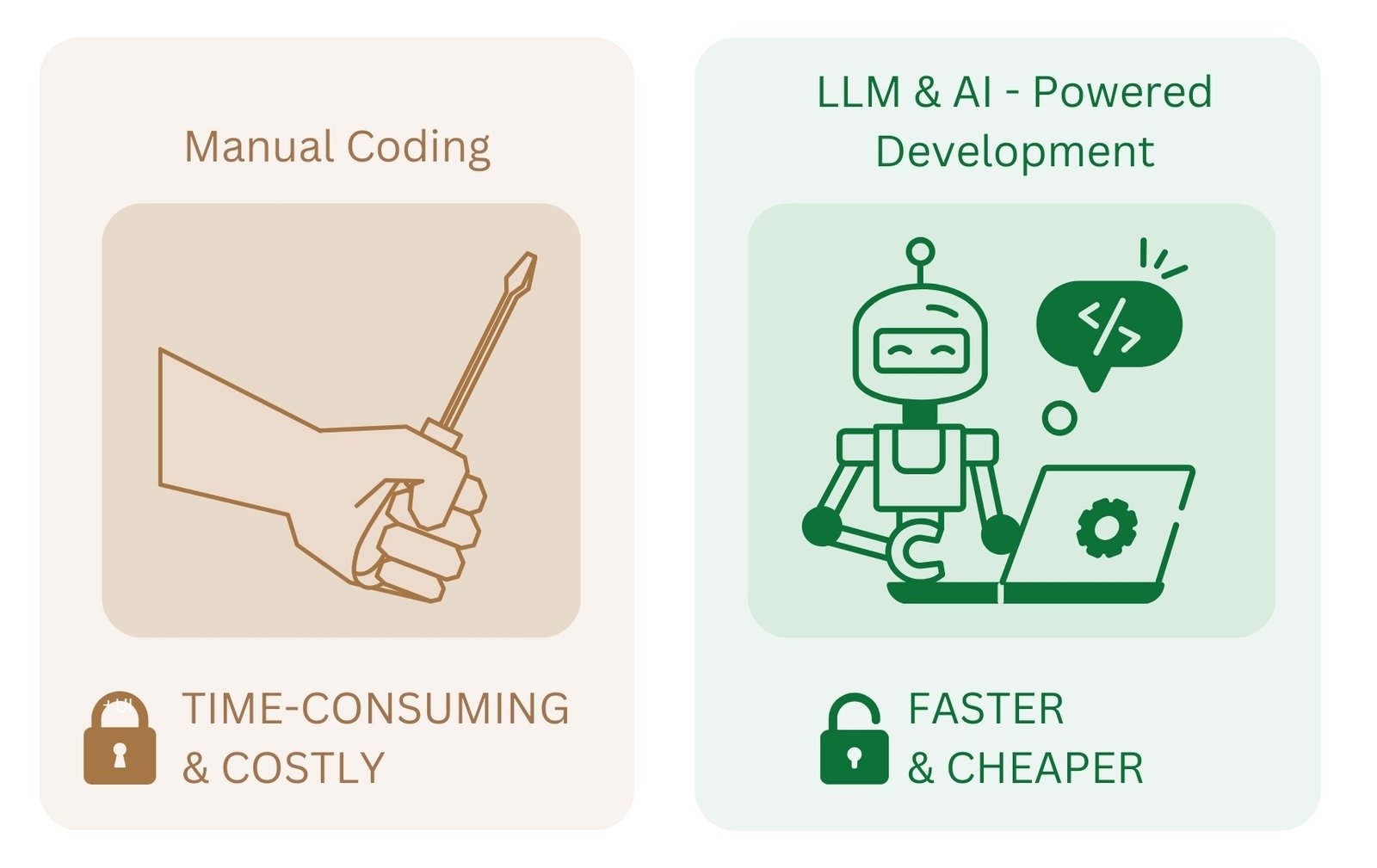
Open data and open source solutions are becoming not just a trend, but the foundation of digital sustainability. They give companies flexibility, resilience, control over their own decisions, and the ability to scale digital processes without depending on vendor policies. And, just as importantly, they give businesses back control over the most valuable resource of the 21st century – their data.

.
Leave a Reply

Change language

Post's Highlights

Stay updated: news and insights


We’re Here to Help

Fresh solutions are released through our social channels

UNLOCK THE POWER OF DATA
 IN CONSTRUCTION

Dive into the world of data-driven construction with this accessible guide, perfect for professionals and novices alike.
From the basics of data management to cutting-edge trends in digital transformation, this book
will be your comprehensive guide to using data in the construction industry.

Related posts 

Focus Areas

navigate
  • ALL THE CHAPTERS IN THIS PART
  • A PRACTICAL GUIDE TO IMPLEMENTING A DATA-DRIVEN APPROACH (8)
  • CLASSIFICATION AND INTEGRATION: A COMMON LANGUAGE FOR CONSTRUCTION DATA (8)
  • DATA FLOW WITHOUT MANUAL EFFORT: WHY ETL (8)
  • DATA INFRASTRUCTURE: FROM STORAGE FORMATS TO DIGITAL REPOSITORIES (8)
  • DATA UNIFICATION AND STRUCTURING (7)
  • SYSTEMATIZATION OF REQUIREMENTS AND VALIDATION OF INFORMATION (7)
  • COST CALCULATIONS AND ESTIMATES FOR CONSTRUCTION PROJECTS (6)
  • EMERGENCE OF BIM-CONCEPTS IN THE CONSTRUCTION INDUSTRY (6)
  • MACHINE LEARNING AND PREDICTIONS (6)
  • BIG DATA AND ITS ANALYSIS (5)
  • DATA ANALYTICS AND DATA-DRIVEN DECISION-MAKING (5)
  • DATA CONVERSION INTO A STRUCTURED FORM (5)
  • DESIGN PARAMETERIZATION AND USE OF LLM FOR CAD OPERATION (5)
  • GEOMETRY IN CONSTRUCTION: FROM LINES TO CUBIC METERS (5)
  • LLM AND THEIR ROLE IN DATA PROCESSING AND BUSINESS PROCESSES (5)
  • ORCHESTRATION OF ETL AND WORKFLOWS: PRACTICAL SOLUTIONS (5)
  • SURVIVAL STRATEGIES: BUILDING COMPETITIVE ADVANTAGE (5)
  • 4D-6D and Calculation of Carbon Dioxide Emissions (4)
  • CONSTRUCTION ERP AND PMIS SYSTEMS (4)
  • COST AND SCHEDULE FORECASTING USING MACHINE LEARNING (4)
  • DATA WAREHOUSE MANAGEMENT AND CHAOS PREVENTION (4)
  • EVOLUTION OF DATA USE IN THE CONSTRUCTION INDUSTRY (4)
  • IDE WITH LLM SUPPORT AND FUTURE PROGRAMMING CHANGES (4)
  • QUANTITY TAKE-OFF AND AUTOMATIC CREATION OF ESTIMATES AND SCHEDULES (4)
  • THE DIGITAL REVOLUTION AND THE EXPLOSION OF DATA (4)
  • Uncategorized (4)
  • CLOSED PROJECT FORMATS AND INTEROPERABILITY ISSUES (3)
  • MANAGEMENT SYSTEMS IN CONSTRUCTION (3)
  • AUTOMATIC ETL CONVEYOR (PIPELINE) (2)

Search

Search

057 Speed of decision making depends on data quality

Today’s design data architecture is undergoing fundamental changes. The industry is moving away from bulky, isolated models and closed formats towards more flexible, machine-readable structures focused on analytics, integration and process automation. However, the transition...

060 A common language of construction the role of classifiers in digital transformation

In the context of digitalization and automation of inspection and processing processes, a special role is played by classification systems elements – a kind of “digital dictionaries” that ensure uniformity in the description and parameterization...

061 Masterformat, OmniClass, Uniclass and CoClass the evolution of classification systems

Historically, construction element and work classifiers have evolved in three generations, each reflecting the level of available technology and the current needs of the industry in a particular time period (Fig. 4.2-8): First generation (early...

Don't miss the new solutions


Linux

macOS

Looking for the Linux or MAC version? Send us a quick message using the button below, and we’ll guide you through the process!


📥 Download OnePager

Welcome to DataDrivenConstruction—where data meets innovation in the construction industry. Our One-Pager offers a concise overview of how our data-driven solutions can transform your projects, enhance efficiency, and drive sustainable growth. 

🚀 Welcome to the future of data in construction!

You're taking your first step into the world of open data, working with normalized, structured data—the foundation of data analytics and modern automation tools.

By downloading, you agree to the DataDrivenConstruction terms of use 

Stay ahead with the latest updates on converters, tools, AI, LLM
and data analytics in construction — Subscribe now!

🚀 Welcome to the future of data in construction!

You're taking your first step into the world of open data, working with normalized, structured data—the foundation of data analytics and modern automation tools.

By downloading, you agree to the DataDrivenConstruction terms of use 

Stay ahead with the latest updates on converters, tools, AI, LLM
and data analytics in construction — Subscribe now!

🚀 Welcome to the future of data in construction!

You're taking your first step into the world of open data, working with normalized, structured data—the foundation of data analytics and modern automation tools.

By downloading, you agree to the DataDrivenConstruction terms of use 

Stay ahead with the latest updates on converters, tools, AI, LLM
and data analytics in construction — Subscribe now!

🚀 Welcome to the future of data in construction!

You're taking your first step into the world of open data, working with normalized, structured data—the foundation of data analytics and modern automation tools.

By downloading, you agree to the DataDrivenConstruction terms of use 

Stay ahead with the latest updates on converters, tools, AI, LLM
and data analytics in construction — Subscribe now!

🚀 Welcome to the future of data in construction!

You're taking your first step into the world of open data, working with normalized, structured data—the foundation of data analytics and modern automation tools.

By downloading, you agree to the DDC terms of use 

🚀 Welcome to the future of data in construction!

You're taking your first step into the world of open data, working with normalized, structured data—the foundation of data analytics and modern automation tools.

By downloading, you agree to the DataDrivenConstruction terms of use 

Stay ahead with the latest updates on converters, tools, AI, LLM
and data analytics in construction — Subscribe now!

DataDrivenConstruction offers workshops tested and practiced on global leaders in the construction industry to help your team navigate and leverage the power of data and artificial intelligence in your company's decision making.

Reserve your spot now to rethink your
approach to decision making!


🚀 Welcome to the future of data in construction!

By downloading, you agree to the DataDrivenConstruction terms of use 

Stay ahead with the latest updates on converters, tools, AI, LLM
and data analytics in construction — Subscribe now!

Have a question or need more information? Reach out to us directly!
Schedule a time to discuss your needs with our team.
Tailored sessions to help your team grow — let's plan together!
Have you attended one of our workshops, read our book, or used our solutions? Share your thoughts with us!
Name
Data Maturity Diagnostics

🧰 Data-Driven Readiness Check

This short assessment will help you identify your company's data management pain points and offer solutions to improve project efficiency. It takes only 1–2 minutes to complete and you will receive personalized recommendations tailored to your needs.

Clean & Organized Data

Theoretical Chapters:

Practical Chapters:

What You'll Find on
DDC Solutions:

  • CAD/BIM to spreadsheet/database converters (Revit, AutoCAD, IFC, Microstation)
  • Ready-to-deploy n8n workflows for construction processes
  • ETL pipelines for data synchronization between systems
  • Customizable Python scripts for repetitive tasks
  • Intelligent data validation and error detection
  • Real-time dashboard connectors
  • Automated reporting systems

Connect Everything

Theoretical Chapters:

Practical Chapters:

What You'll Find on
DDC Solutions:

  • CAD/BIM to spreadsheet/database converters (Revit, AutoCAD, IFC, Microstation)
  • Ready-to-deploy n8n workflows for construction processes
  • ETL pipelines for data synchronization between systems
  • Customizable Python scripts for repetitive tasks
  • Intelligent data validation and error detection
  • Real-time dashboard connectors
  • Automated reporting systems

Add AI & LLM Brain

Theoretical Chapters:

Practical Chapters:

What You'll Find on
DDC Solutions:

  • CAD/BIM to spreadsheet/database converters (Revit, AutoCAD, IFC, Microstation)
  • Ready-to-deploy n8n workflows for construction processes
  • ETL pipelines for data synchronization between systems
  • Customizable Python scripts for repetitive tasks
  • Intelligent data validation and error detection
  • Real-time dashboard connectors
  • Automated reporting systems
038 Open formats are changing the approach to digitalization
This website uses cookies to improve your experience. By using this website you agree to our Data Protection Policy.
Read more
×