image86
059 Digital interoperability starts with requirements
10 June 2025
061 Masterformat, OmniClass, Uniclass and CoClass the evolution of classification systems
10 June 2025

060 A common language of construction the role of classifiers in digital transformation

In the context of digitalization and automation of inspection and processing processes, a special role is played by classification systems elements – a kind of “digital dictionaries” that ensure uniformity in the description and parameterization of objects. Classifiers form the “common language” that allows data to be grouped by meaning and data to be integrated between different systems, management levels and phases of the project lifecycle.

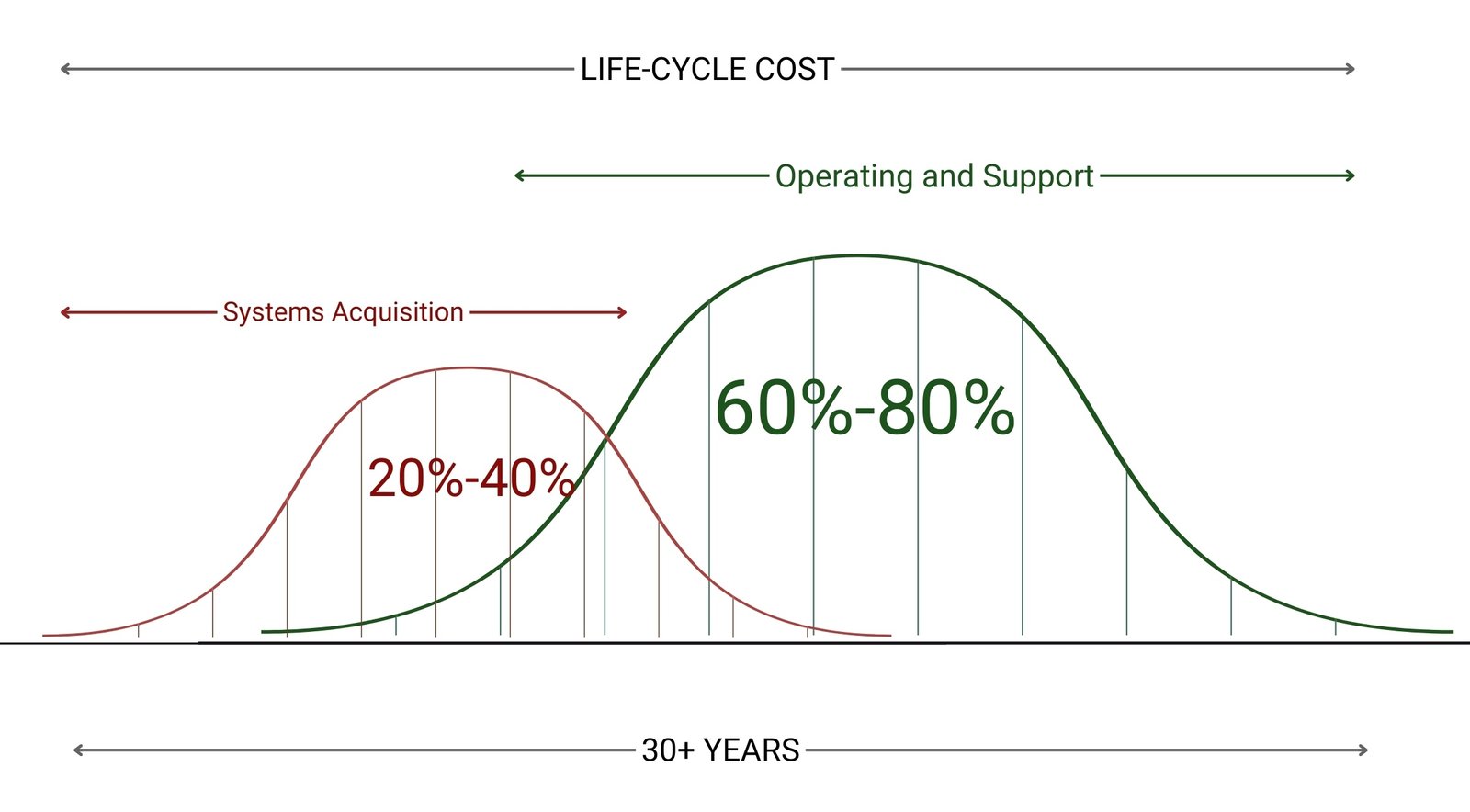
The most tangible impact of classifiers is in the economics of the building life cycle, where the most important aspect is the optimization of long-term operating costs. Studies show that operating costs account for up to 80% of the total cost of building ownership, which is three times higher than the initial construction costs (Fig. 4.2-6) (W. B. D. Guide, “Design for Maintainability: The Importance of Operations and Maintenance Considerations During the Design Phase of Construction Projects,” in Design for Maintainability: The Importance of Operations and Maintenance Considerations During the Design Phase of Construction Projects). This means that the decision on future costs is largely formed at the design stage

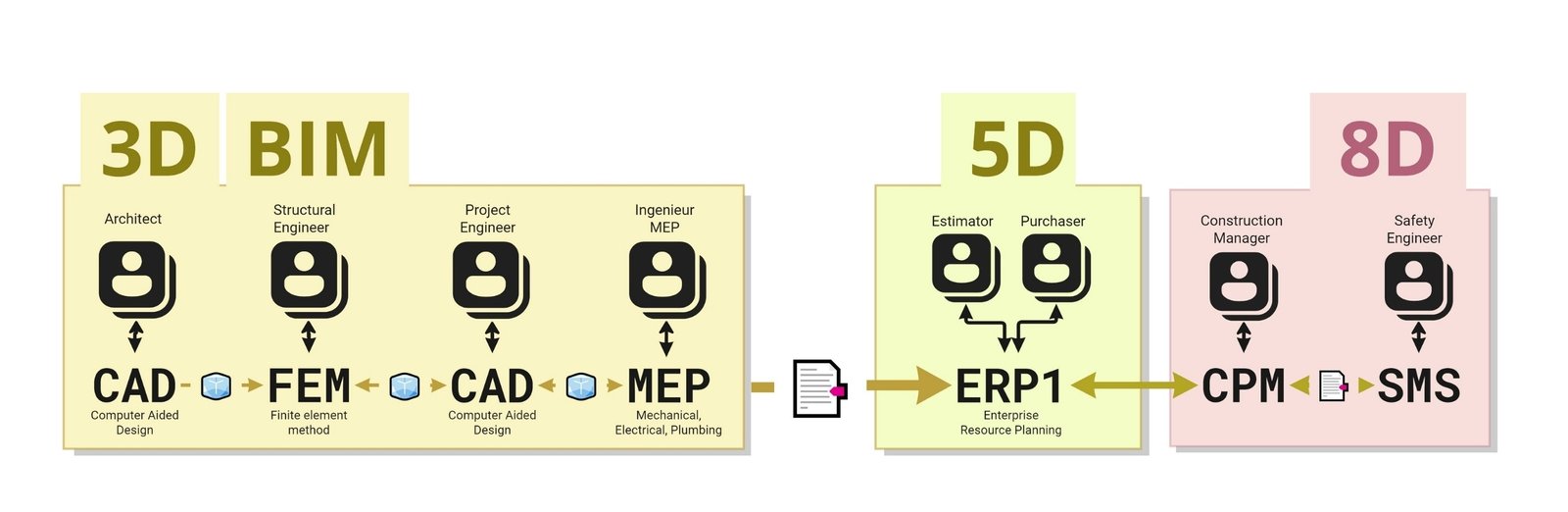
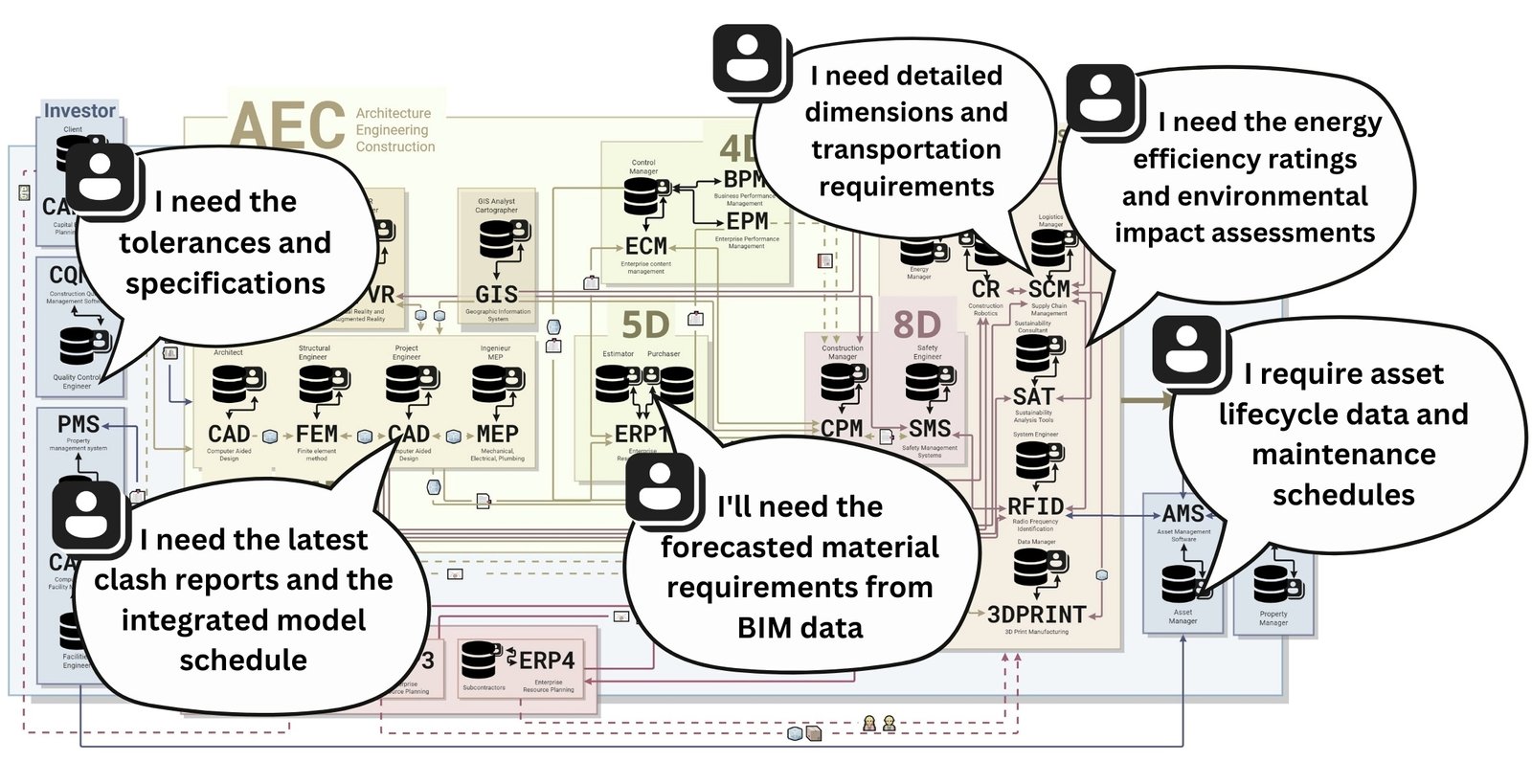
This is why requirements from operations engineers (CAFM, AMS, PMS, RPM) should become the starting point for generating data requirements during the design phase (Fig. 1.2-4). These systems should not be viewed as the final stage of the project, but as an integral part of the entire digital ecosystem of the project, from concept to disassembly

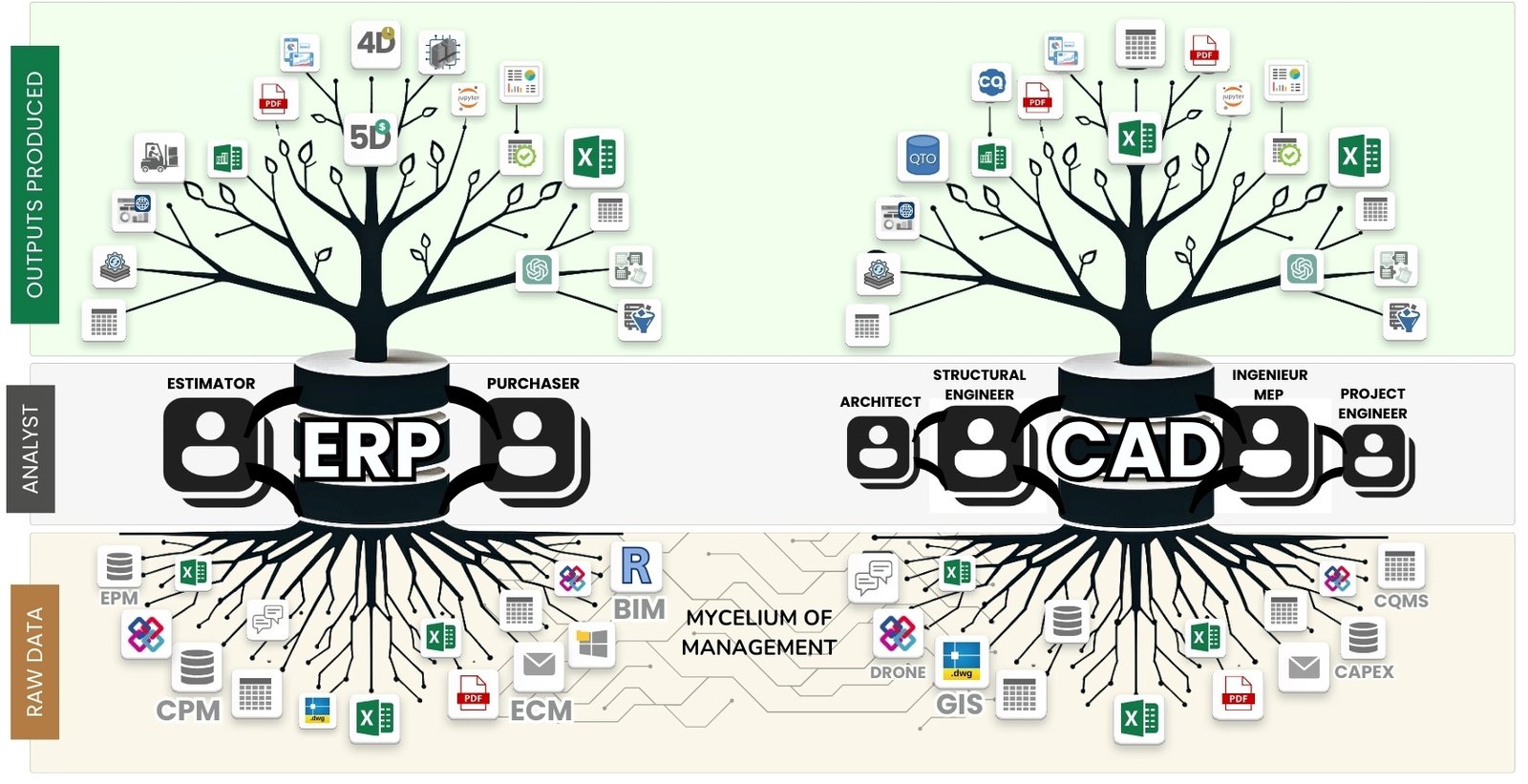
A modern classifier is not just a system of codes for grouping. It is a mechanism for mutual understanding between architects, engineers, estimators, logisticians, maintenance and IT systems. Just as a car’s autopilot must unambiguously recognize road objects with high precision, digital construction systems and their users must interpret the same project element unambiguously for different systems via the element class.
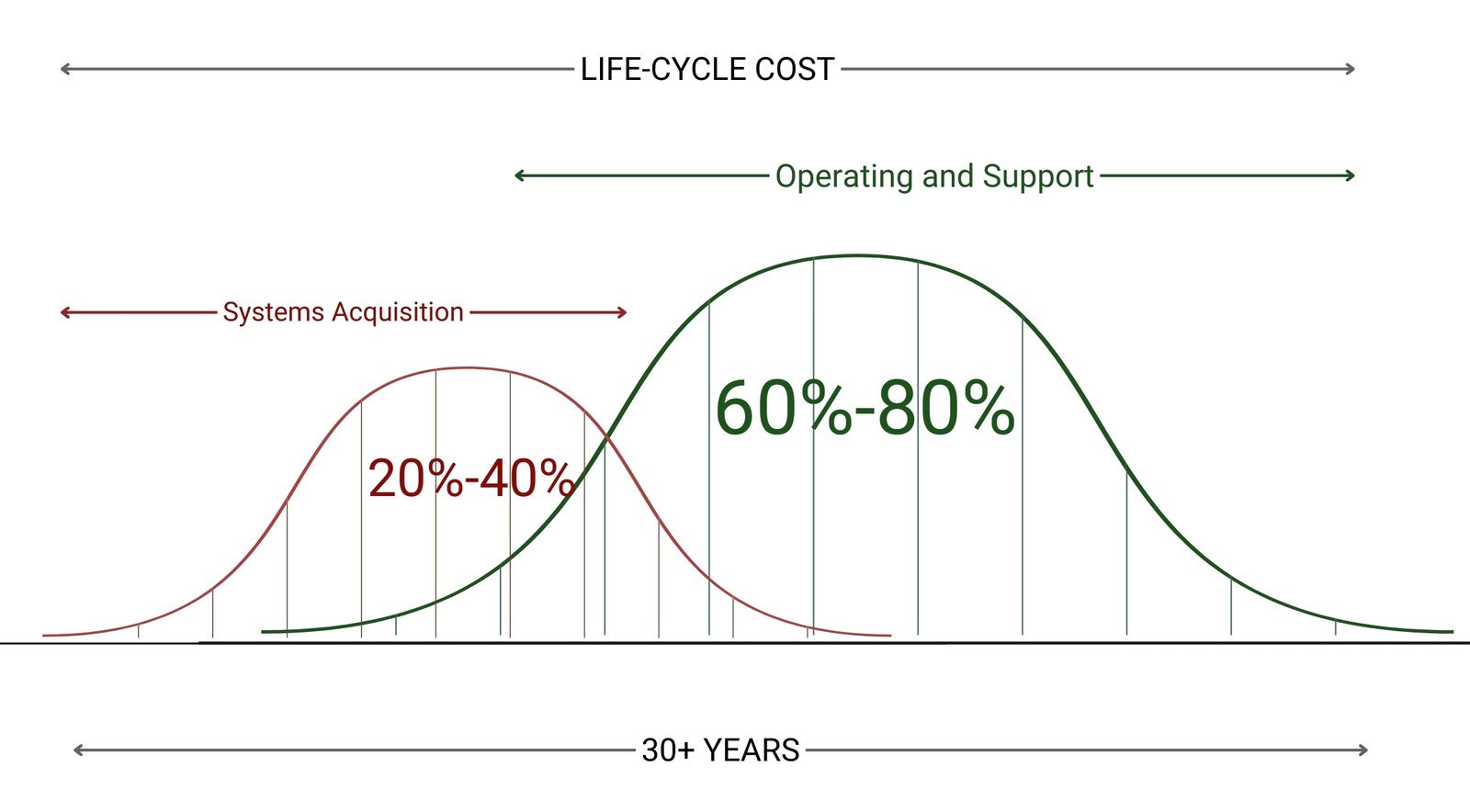
Рисунок 1
Fig. 4.2-6 Operating and maintenance costs exceed the cost of construction three times, accounting for 60-80% of all life cycle costs of a building (according to (O. o. D. C. P. a. Oversight, “Corrosion Prevention and Control Planning Guidebook for Military Systems and Equipment,” April 2014)).

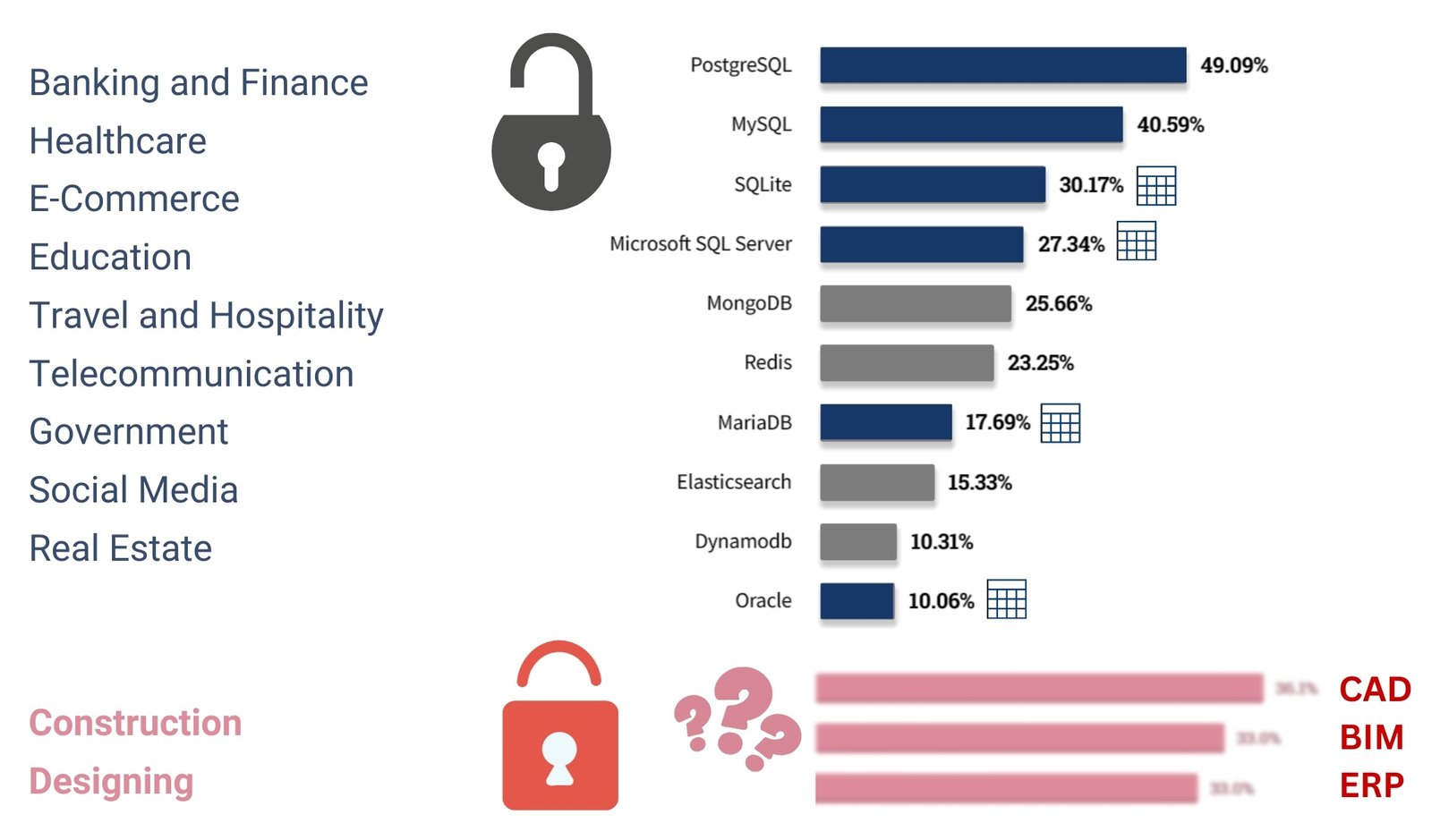
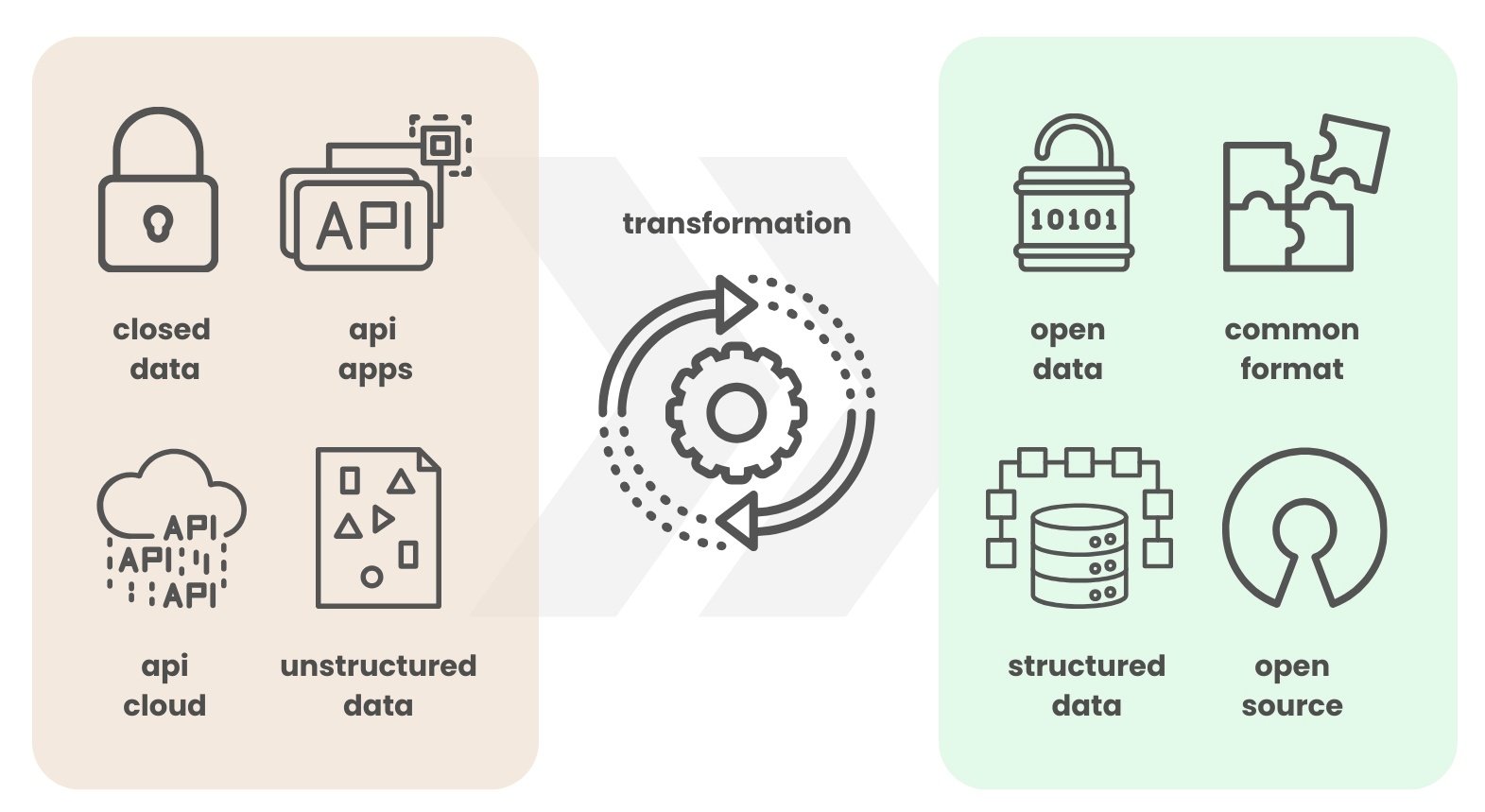
The level of classifier development directly correlates with the depth of a company’s digitalization and its digital maturity. Organizations with a low level of digital maturity are faced with fragmented data, incompatible information systems and, as a result, incompatible and inefficient classifiers. In such companies, the same element can often have different grouping identifiers in different systems, which critically complicates final integration and makes process automation impossible.

For example, the same window in a project can be labeled differently in CAD model, estimating and maintenance system (Fig. 4.2-7) because of the multidimensional perception of elements by different participants in the process. For the estimator in the windows category element, volume and cost are important, for the maintenance service – availability and maintainability, for the architect – aesthetic and functional characteristics. As a result, the same element may require different parameters.
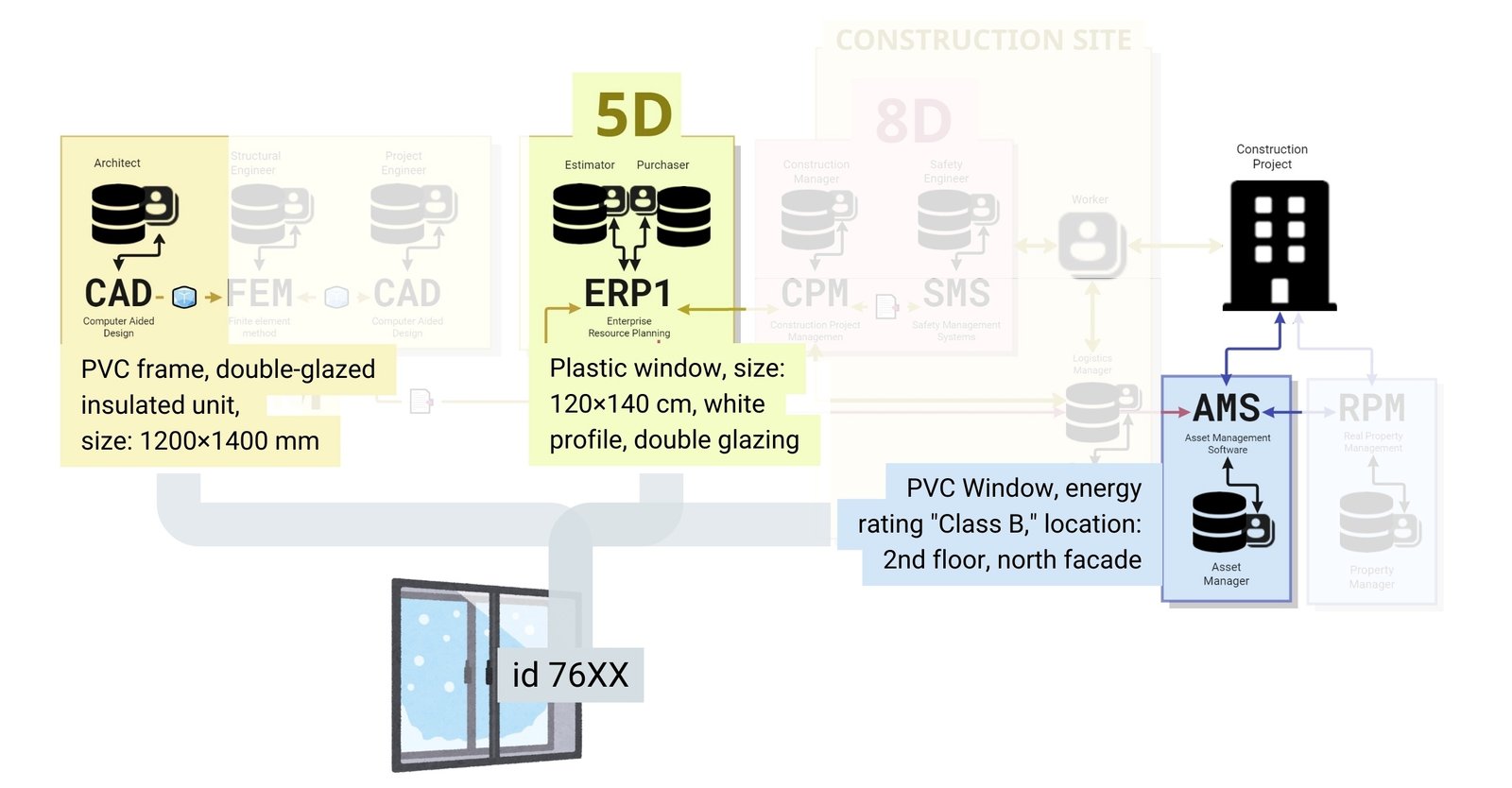
Рисунок 7
Fig. 4.2-7 With inconsistent classification between systems an element will lose some attribute information at each step of its transition to another system.

Due to the difficulty of unambiguously defining the classification of building elements, specialists from different fields often assign incompatible classes to the same element. This leads to a loss of a unified view of the object, which requires subsequent manual intervention to harmonize the different classification systems and to establish correspondence between the types and classes defined by different specialists.

As a result of this inconsistency, the operational documentation received by the procurement department (ERP) when a construction item is purchased from a manufacturer often cannot be correctly linked to the classification of that item at the construction site (PMIS, SCM). As a consequence, critical information is not likely to be integrated into infrastructure and asset management systems (CAFM, AMS), which creates serious problems during commissioning, as well as during subsequent maintenance (AMS, RPM) or replacement of the element.

In companies with high digital maturity, classifiers play the role of a nervous system that integrates all information flows. The same item receives a unique identifier that allows it to be transferred between CAD, ERP, AMS and CAFM -systems and their classifiers without distortion or loss.

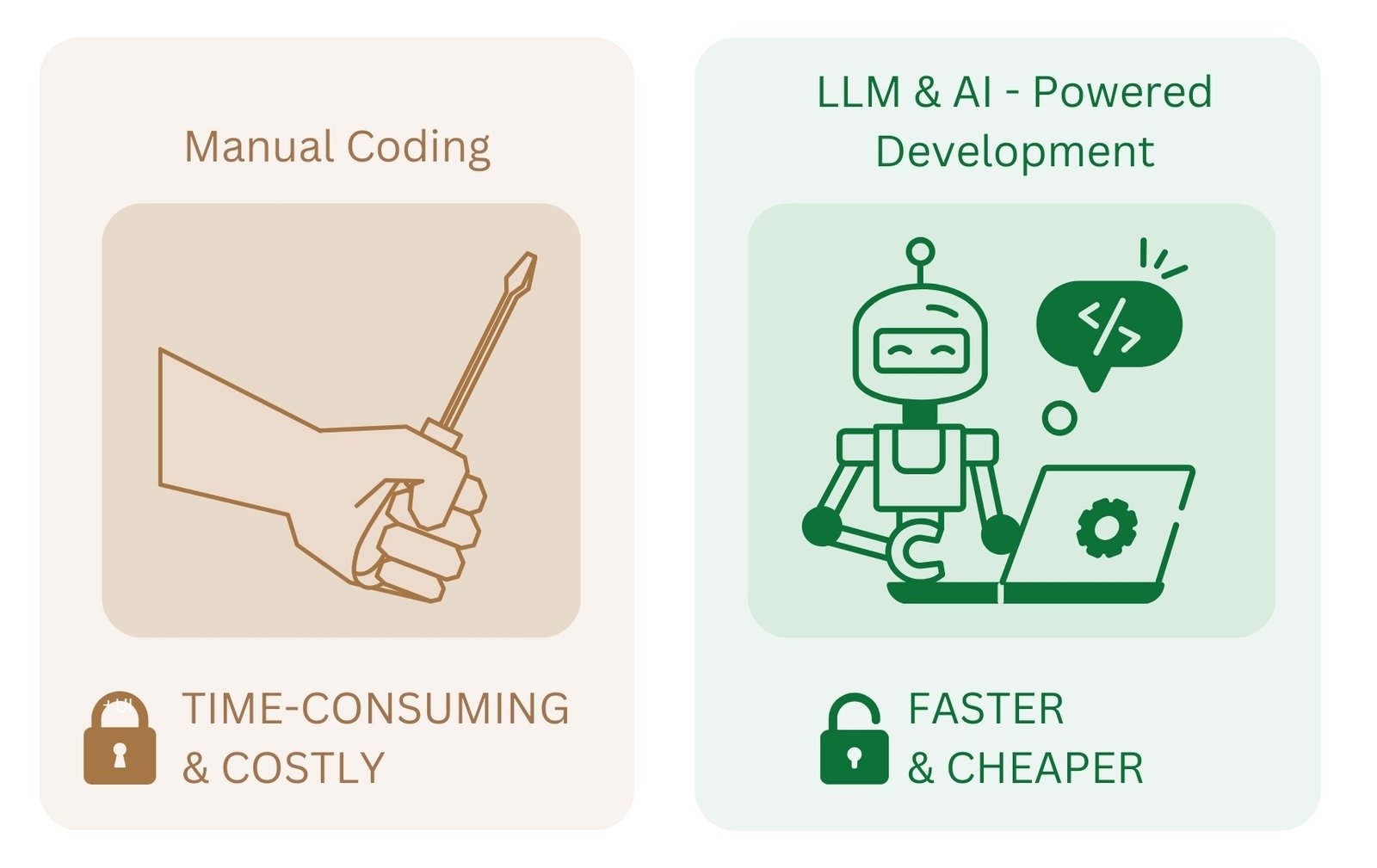
To build effective classifiers, you need to understand how the data is used. The same engineer may name and classify an element differently in different projects. Only by collecting usage statistics over the years can a stable classification system be developed. Machine learning helps with this: algorithms analyze thousands of projects (Fig. 9.1-10), identifying likely classes and parameters through machine learning (Fig. 10.1-6). Automatic classification is especially valuable in environments where manual classification is not possible due to the volume of data. Automatic classification systems will be able to distinguish basic categories based on minimally populated item parameters (more details in the ninth and tenth parts of the book).

Developed classifier systems become catalysts for further digitalization, creating the basis for:

  • Automated estimation of project cost and schedule.
  • Predictive analysis of potential risks and conflicts
  • Optimization of procurement processes and logistics chains
  • Creating digital doubles of buildings and structures
  • Integrations with smart city and Internet of Things systems

The time for transformation is limited – with the development of machine learning and computer vision technologies, the problem of automatic classification, which has been unsolvable for decades, will be solved in the coming years, and construction and design companies that fail to adapt in time risk repeating the fate of taxicabs displaced by digital platforms.

More about the automation of costing and scheduling as well as big data and machine learning will be covered in the fifth and ninth parts of the book. The risk of a repeat of the fate of taxi fleets and the Uberization of the construction industry are discussed in detail in the tenth part of the book.

Understanding the key role of classifiers in the digital transformation of the construction industry, it is necessary to turn to the history of their evolution. It is the historical context that allows us to realize how approaches to classification have evolved and what trends determine their current state.

.

Leave a Reply

Change language

Post's Highlights

Stay updated: news and insights


We’re Here to Help

Fresh solutions are released through our social channels

UNLOCK THE POWER OF DATA
 IN CONSTRUCTION

Dive into the world of data-driven construction with this accessible guide, perfect for professionals and novices alike.
From the basics of data management to cutting-edge trends in digital transformation, this book
will be your comprehensive guide to using data in the construction industry.
Related posts 

10 June 2025

062 Data modeling conceptual, logical and physical model

Effective management of data (structured and categorized by us earlier) is impossible without a well thought-out storage and processing structure. To ensure access and consistency of […]

Focus Areas

navigate
  • ALL THE CHAPTERS IN THIS PART
  • A PRACTICAL GUIDE TO IMPLEMENTING A DATA-DRIVEN APPROACH (8)
  • CLASSIFICATION AND INTEGRATION: A COMMON LANGUAGE FOR CONSTRUCTION DATA (8)
  • DATA FLOW WITHOUT MANUAL EFFORT: WHY ETL (8)
  • DATA INFRASTRUCTURE: FROM STORAGE FORMATS TO DIGITAL REPOSITORIES (8)
  • DATA UNIFICATION AND STRUCTURING (7)
  • SYSTEMATIZATION OF REQUIREMENTS AND VALIDATION OF INFORMATION (7)
  • COST CALCULATIONS AND ESTIMATES FOR CONSTRUCTION PROJECTS (6)
  • EMERGENCE OF BIM-CONCEPTS IN THE CONSTRUCTION INDUSTRY (6)
  • MACHINE LEARNING AND PREDICTIONS (6)
  • BIG DATA AND ITS ANALYSIS (5)
  • DATA ANALYTICS AND DATA-DRIVEN DECISION-MAKING (5)
  • DATA CONVERSION INTO A STRUCTURED FORM (5)
  • DESIGN PARAMETERIZATION AND USE OF LLM FOR CAD OPERATION (5)
  • GEOMETRY IN CONSTRUCTION: FROM LINES TO CUBIC METERS (5)
  • LLM AND THEIR ROLE IN DATA PROCESSING AND BUSINESS PROCESSES (5)
  • ORCHESTRATION OF ETL AND WORKFLOWS: PRACTICAL SOLUTIONS (5)
  • SURVIVAL STRATEGIES: BUILDING COMPETITIVE ADVANTAGE (5)
  • 4D-6D and Calculation of Carbon Dioxide Emissions (4)
  • CONSTRUCTION ERP AND PMIS SYSTEMS (4)
  • COST AND SCHEDULE FORECASTING USING MACHINE LEARNING (4)
  • DATA WAREHOUSE MANAGEMENT AND CHAOS PREVENTION (4)
  • EVOLUTION OF DATA USE IN THE CONSTRUCTION INDUSTRY (4)
  • IDE WITH LLM SUPPORT AND FUTURE PROGRAMMING CHANGES (4)
  • QUANTITY TAKE-OFF AND AUTOMATIC CREATION OF ESTIMATES AND SCHEDULES (4)
  • THE DIGITAL REVOLUTION AND THE EXPLOSION OF DATA (4)
  • Uncategorized (4)
  • CLOSED PROJECT FORMATS AND INTEROPERABILITY ISSUES (3)
  • MANAGEMENT SYSTEMS IN CONSTRUCTION (3)
  • AUTOMATIC ETL CONVEYOR (PIPELINE) (2)

Search

Search

057 Speed of decision making depends on data quality

Today’s design data architecture is undergoing fundamental changes. The industry is moving away from bulky, isolated models and closed formats towards more flexible, machine-readable structures focused on analytics, integration and process automation. However, the transition...

060 A common language of construction the role of classifiers in digital transformation

In the context of digitalization and automation of inspection and processing processes, a special role is played by classification systems elements – a kind of “digital dictionaries” that ensure uniformity in the description and parameterization...

061 Masterformat, OmniClass, Uniclass and CoClass the evolution of classification systems

Historically, construction element and work classifiers have evolved in three generations, each reflecting the level of available technology and the current needs of the industry in a particular time period (Fig. 4.2-8): First generation (early...

Don't miss the new solutions


Linux

macOS

Looking for the Linux or MAC version? Send us a quick message using the button below, and we’ll guide you through the process!


📥 Download OnePager

Welcome to DataDrivenConstruction—where data meets innovation in the construction industry. Our One-Pager offers a concise overview of how our data-driven solutions can transform your projects, enhance efficiency, and drive sustainable growth. 

🚀 Welcome to the future of data in construction!

You're taking your first step into the world of open data, working with normalized, structured data—the foundation of data analytics and modern automation tools.

By downloading, you agree to the DataDrivenConstruction terms of use 

Stay ahead with the latest updates on converters, tools, AI, LLM
and data analytics in construction — Subscribe now!

🚀 Welcome to the future of data in construction!

You're taking your first step into the world of open data, working with normalized, structured data—the foundation of data analytics and modern automation tools.

By downloading, you agree to the DataDrivenConstruction terms of use 

Stay ahead with the latest updates on converters, tools, AI, LLM
and data analytics in construction — Subscribe now!

🚀 Welcome to the future of data in construction!

You're taking your first step into the world of open data, working with normalized, structured data—the foundation of data analytics and modern automation tools.

By downloading, you agree to the DataDrivenConstruction terms of use 

Stay ahead with the latest updates on converters, tools, AI, LLM
and data analytics in construction — Subscribe now!

🚀 Welcome to the future of data in construction!

You're taking your first step into the world of open data, working with normalized, structured data—the foundation of data analytics and modern automation tools.

By downloading, you agree to the DataDrivenConstruction terms of use 

Stay ahead with the latest updates on converters, tools, AI, LLM
and data analytics in construction — Subscribe now!

🚀 Welcome to the future of data in construction!

You're taking your first step into the world of open data, working with normalized, structured data—the foundation of data analytics and modern automation tools.

By downloading, you agree to the DDC terms of use 

🚀 Welcome to the future of data in construction!

You're taking your first step into the world of open data, working with normalized, structured data—the foundation of data analytics and modern automation tools.

By downloading, you agree to the DataDrivenConstruction terms of use 

Stay ahead with the latest updates on converters, tools, AI, LLM
and data analytics in construction — Subscribe now!

DataDrivenConstruction offers workshops tested and practiced on global leaders in the construction industry to help your team navigate and leverage the power of data and artificial intelligence in your company's decision making.

Reserve your spot now to rethink your
approach to decision making!


🚀 Welcome to the future of data in construction!

By downloading, you agree to the DataDrivenConstruction terms of use 

Stay ahead with the latest updates on converters, tools, AI, LLM
and data analytics in construction — Subscribe now!

Have a question or need more information? Reach out to us directly!
Schedule a time to discuss your needs with our team.
Tailored sessions to help your team grow — let's plan together!
Have you attended one of our workshops, read our book, or used our solutions? Share your thoughts with us!
Name
Data Maturity Diagnostics

🧰 Data-Driven Readiness Check

This short assessment will help you identify your company's data management pain points and offer solutions to improve project efficiency. It takes only 1–2 minutes to complete and you will receive personalized recommendations tailored to your needs.

Clean & Organized Data

Theoretical Chapters:

Practical Chapters:

What You'll Find on
DDC Solutions:

  • CAD/BIM to spreadsheet/database converters (Revit, AutoCAD, IFC, Microstation)
  • Ready-to-deploy n8n workflows for construction processes
  • ETL pipelines for data synchronization between systems
  • Customizable Python scripts for repetitive tasks
  • Intelligent data validation and error detection
  • Real-time dashboard connectors
  • Automated reporting systems

Connect Everything

Theoretical Chapters:

Practical Chapters:

What You'll Find on
DDC Solutions:

  • CAD/BIM to spreadsheet/database converters (Revit, AutoCAD, IFC, Microstation)
  • Ready-to-deploy n8n workflows for construction processes
  • ETL pipelines for data synchronization between systems
  • Customizable Python scripts for repetitive tasks
  • Intelligent data validation and error detection
  • Real-time dashboard connectors
  • Automated reporting systems

Add AI & LLM Brain

Theoretical Chapters:

Practical Chapters:

What You'll Find on
DDC Solutions:

  • CAD/BIM to spreadsheet/database converters (Revit, AutoCAD, IFC, Microstation)
  • Ready-to-deploy n8n workflows for construction processes
  • ETL pipelines for data synchronization between systems
  • Customizable Python scripts for repetitive tasks
  • Intelligent data validation and error detection
  • Real-time dashboard connectors
  • Automated reporting systems
060 A common language of construction the role of classifiers in digital transformation
This website uses cookies to improve your experience. By using this website you agree to our Data Protection Policy.
Read more
×