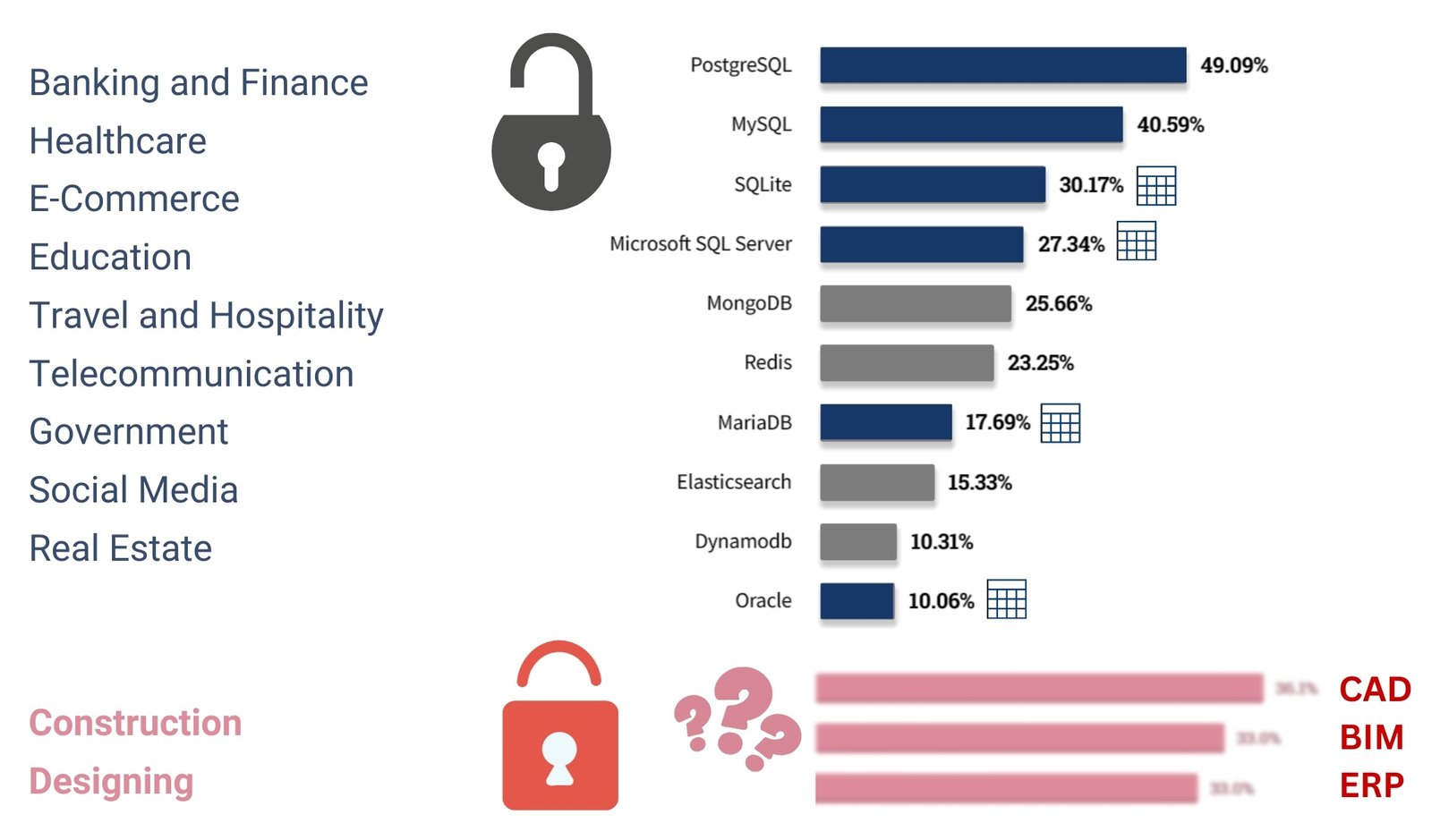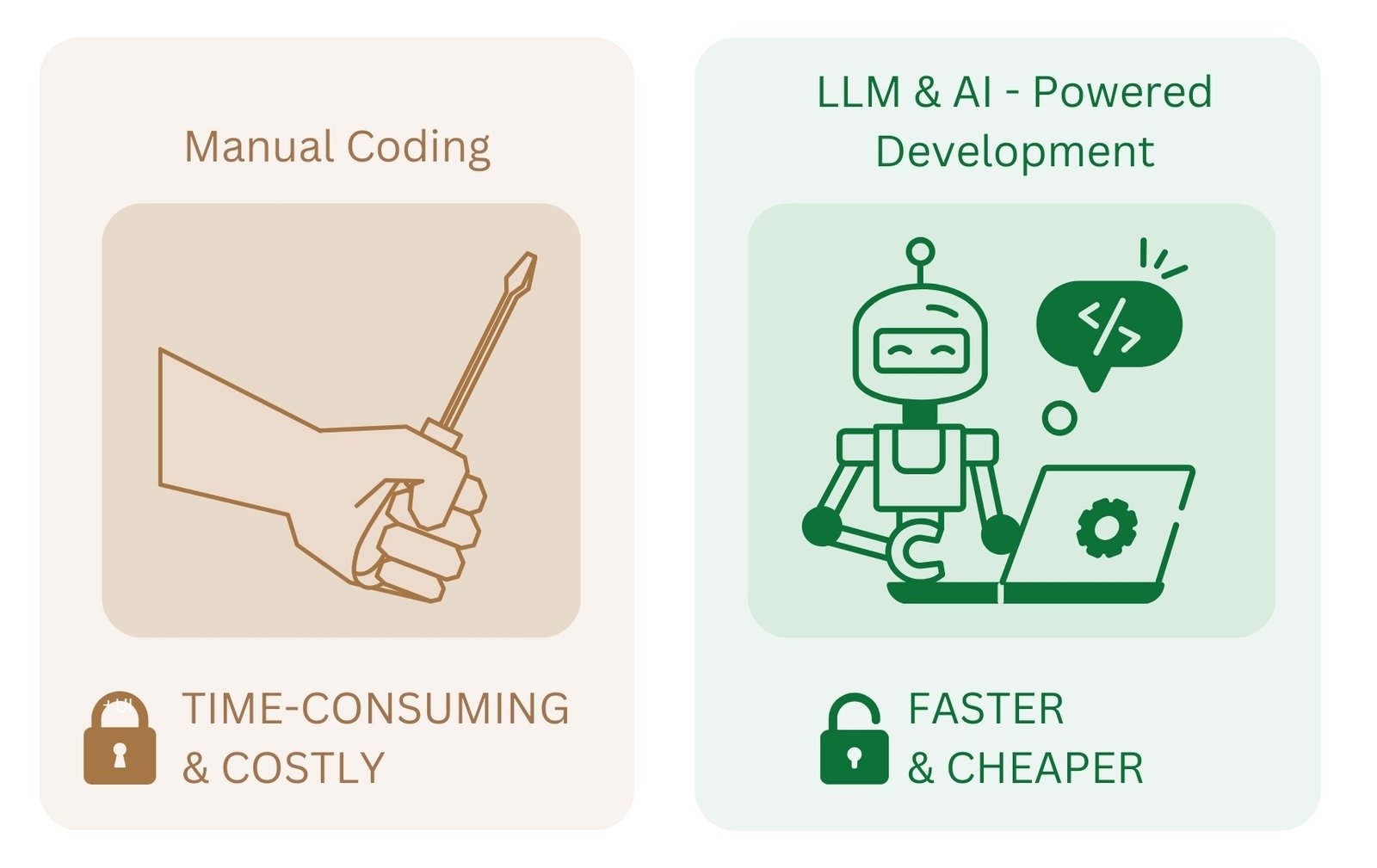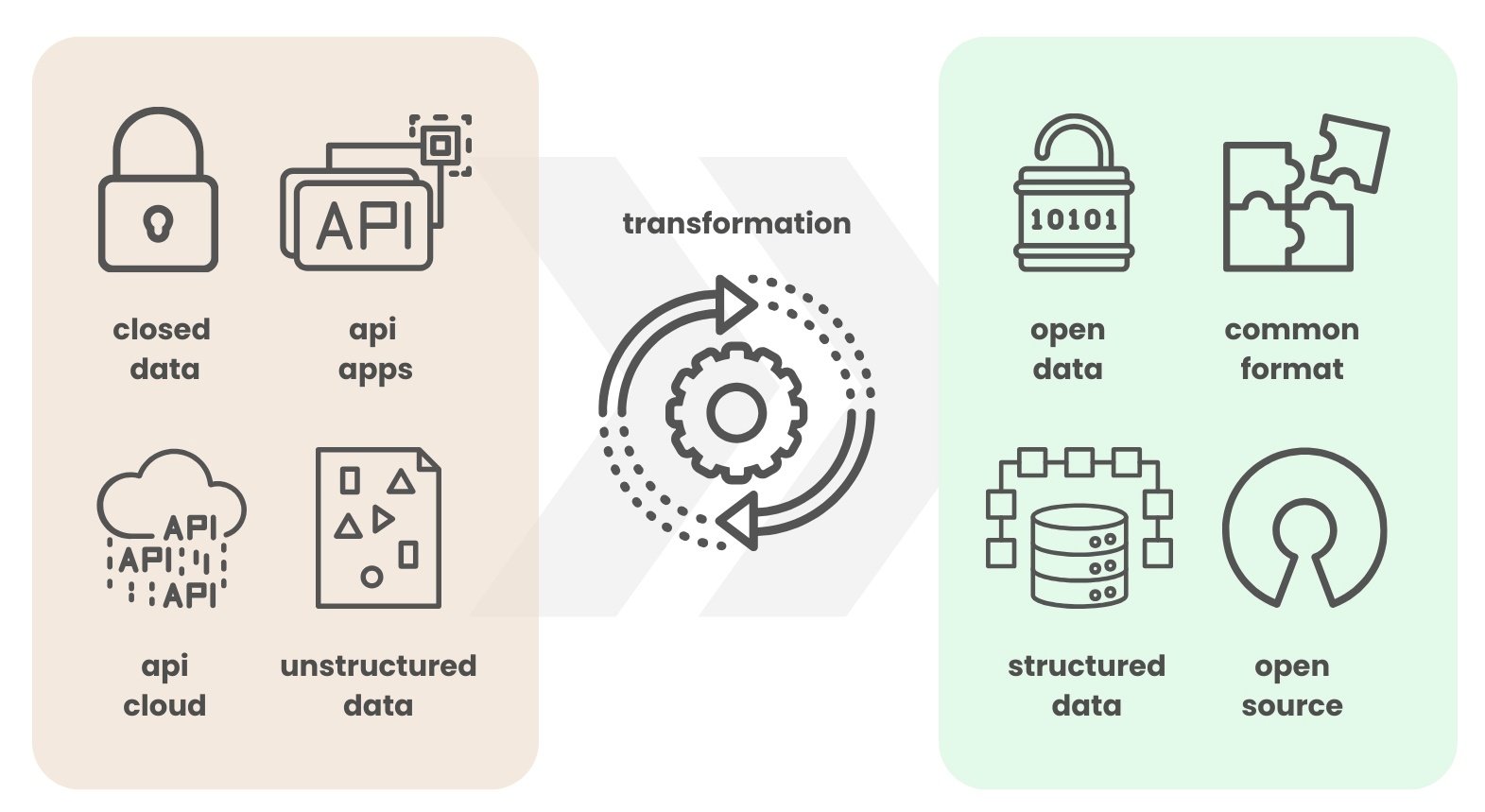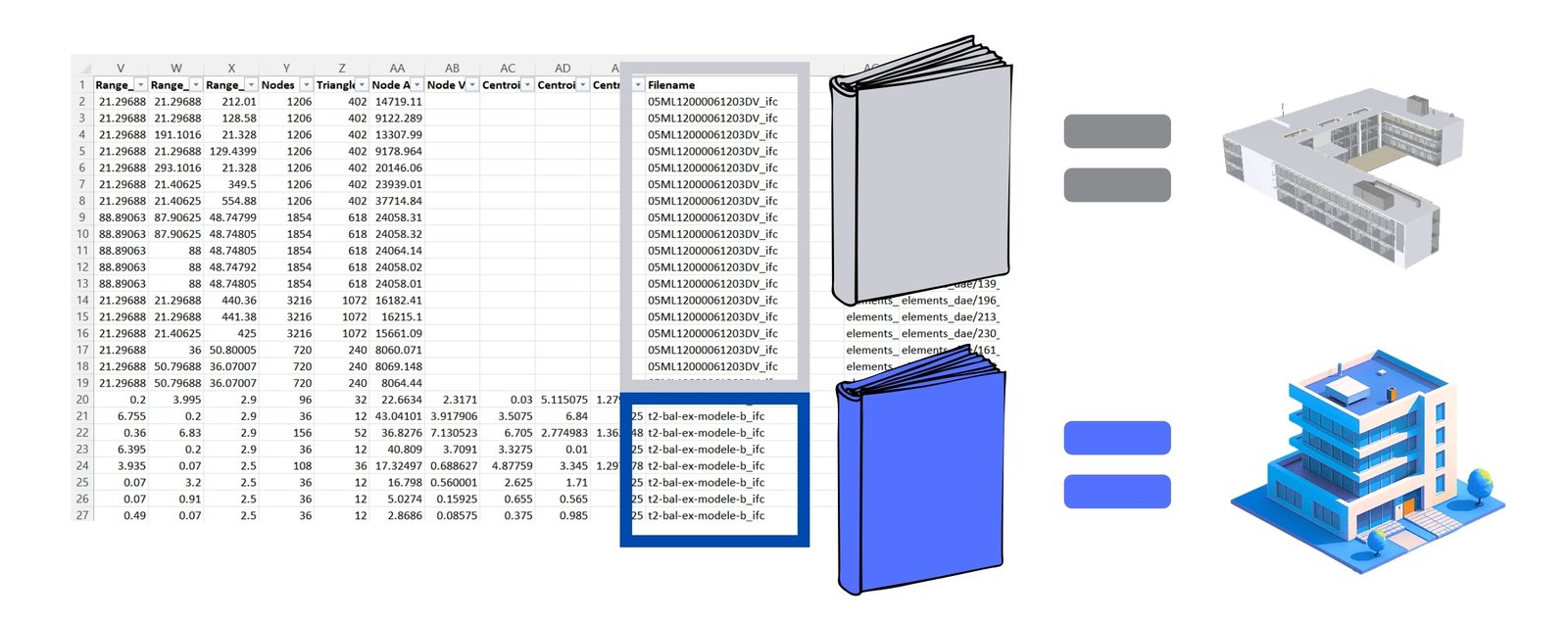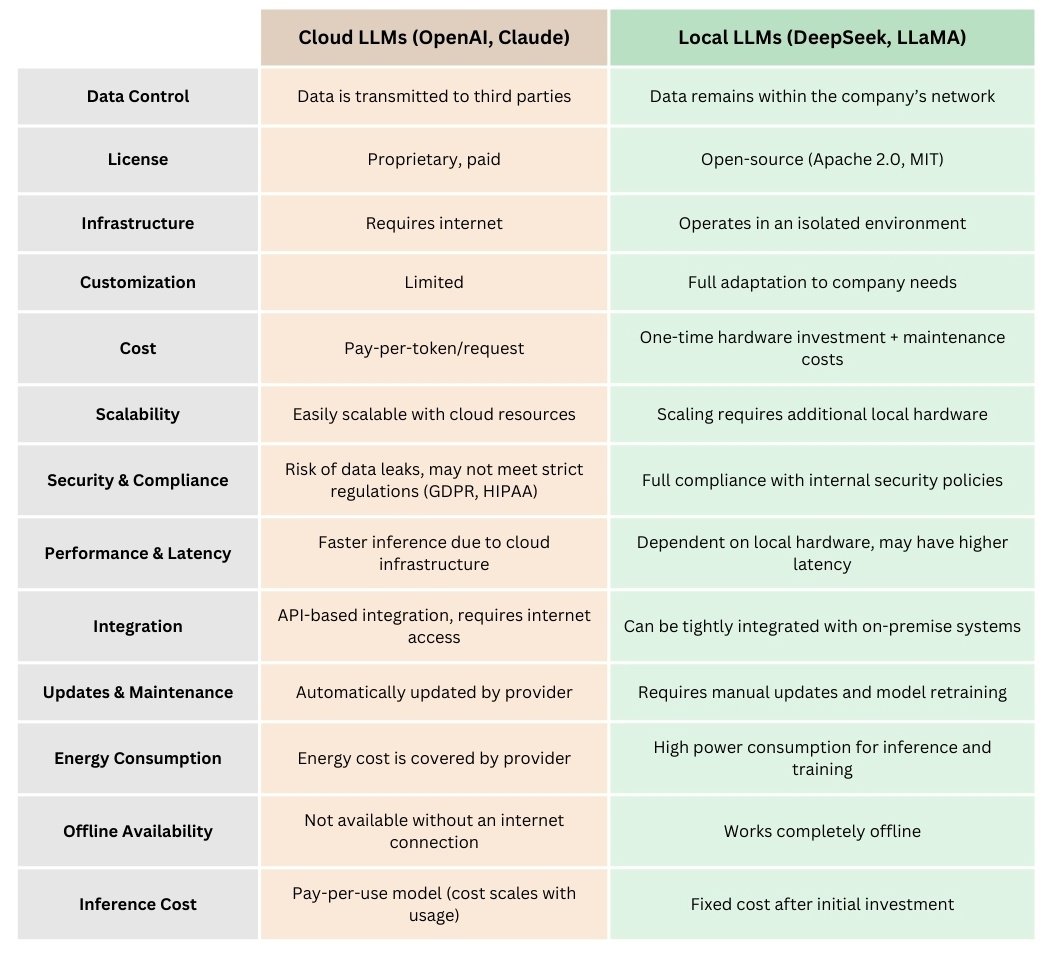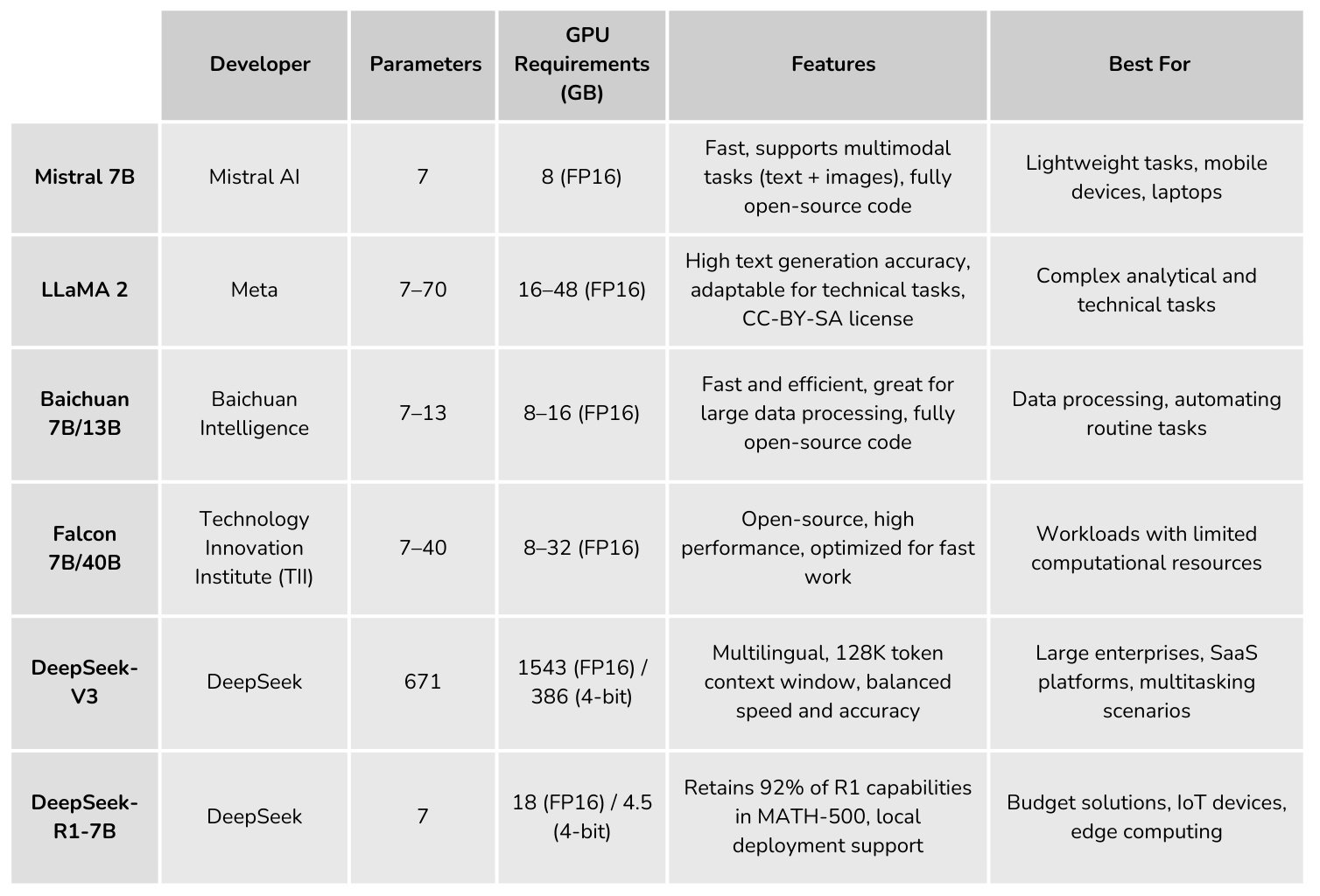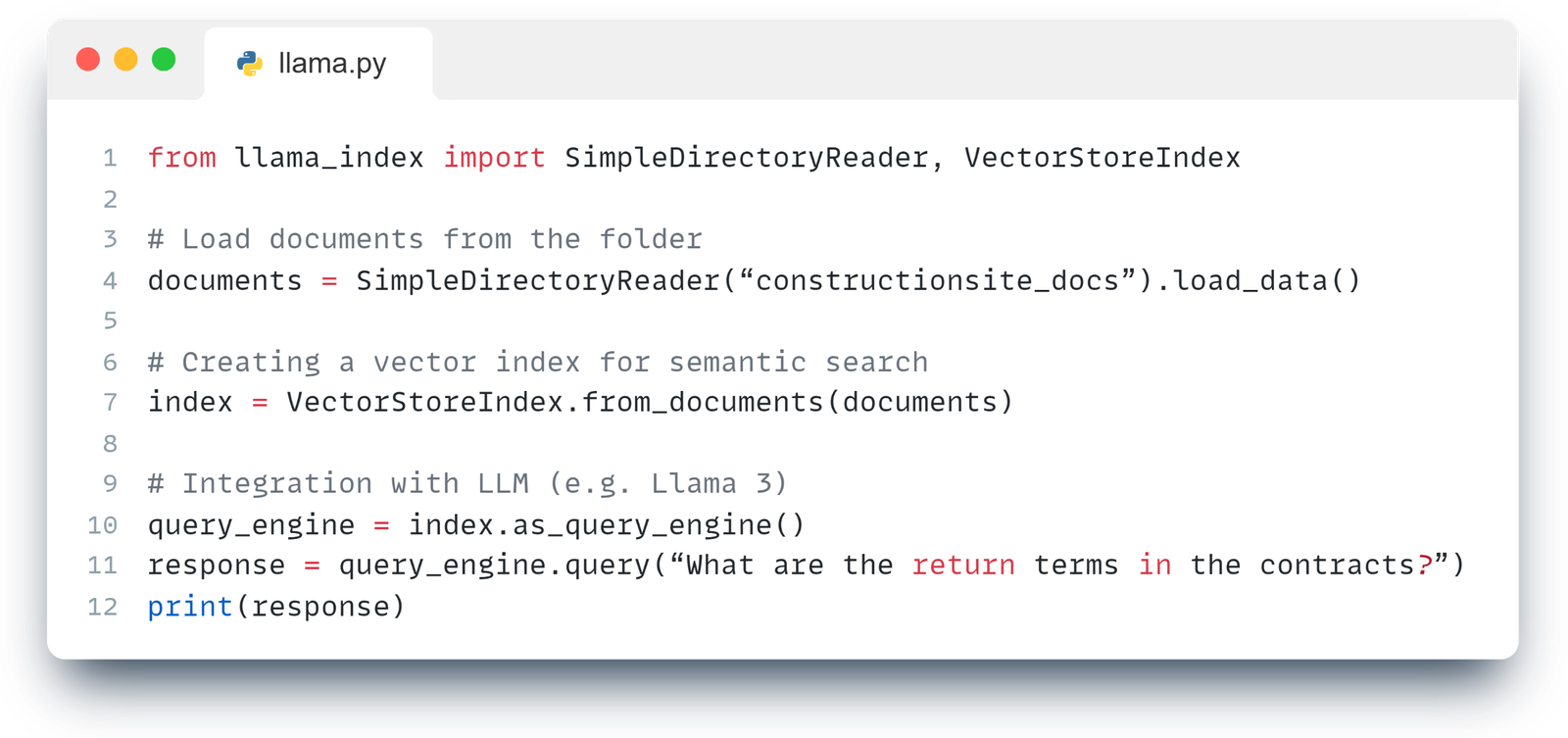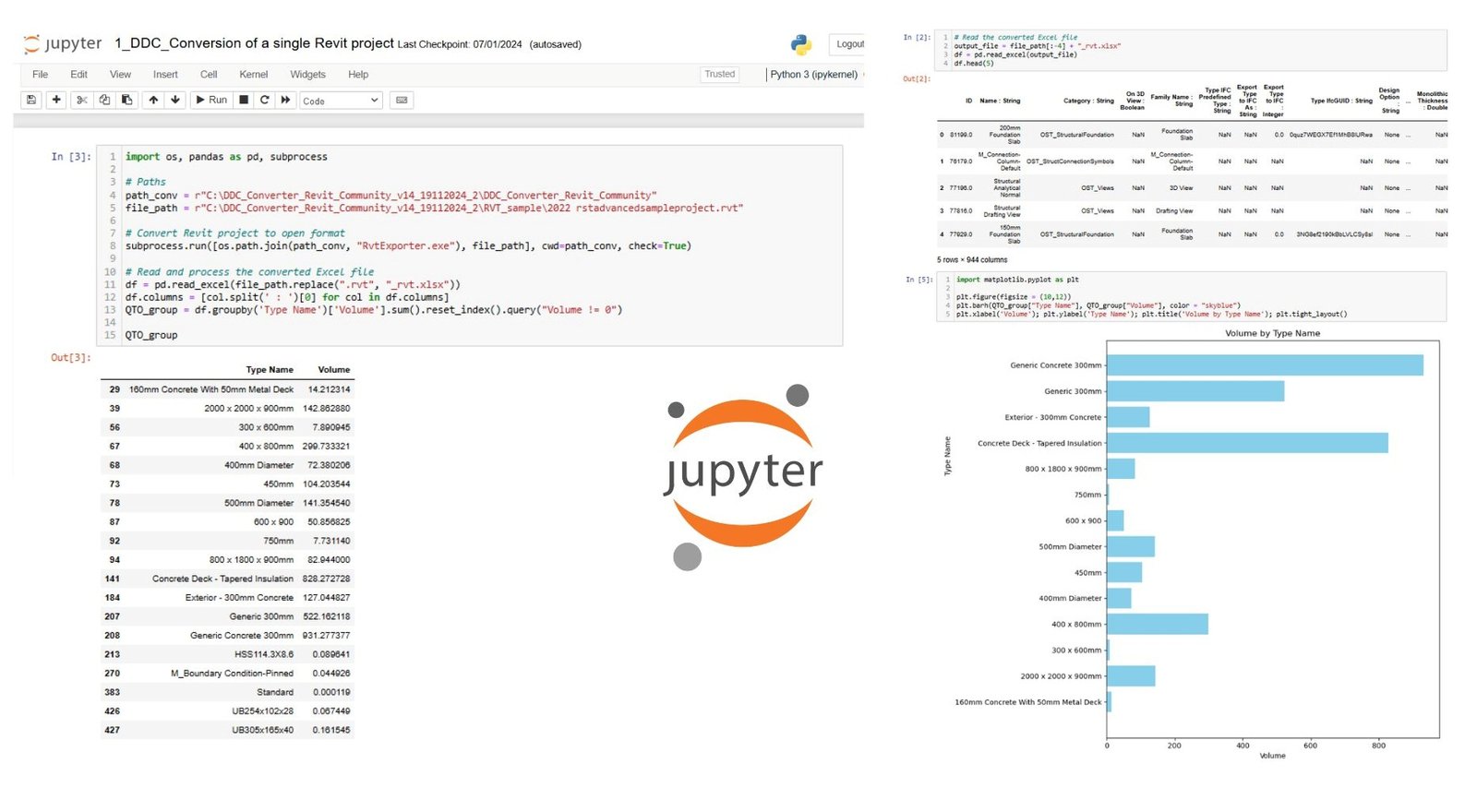
Рисунок 1
003 Process as a tool for data-driven experience
10 June 2025
image38
005 Digital revolution and the emergence of modular MRPERP-systems
10 June 2025

004 Digitalization of construction process information

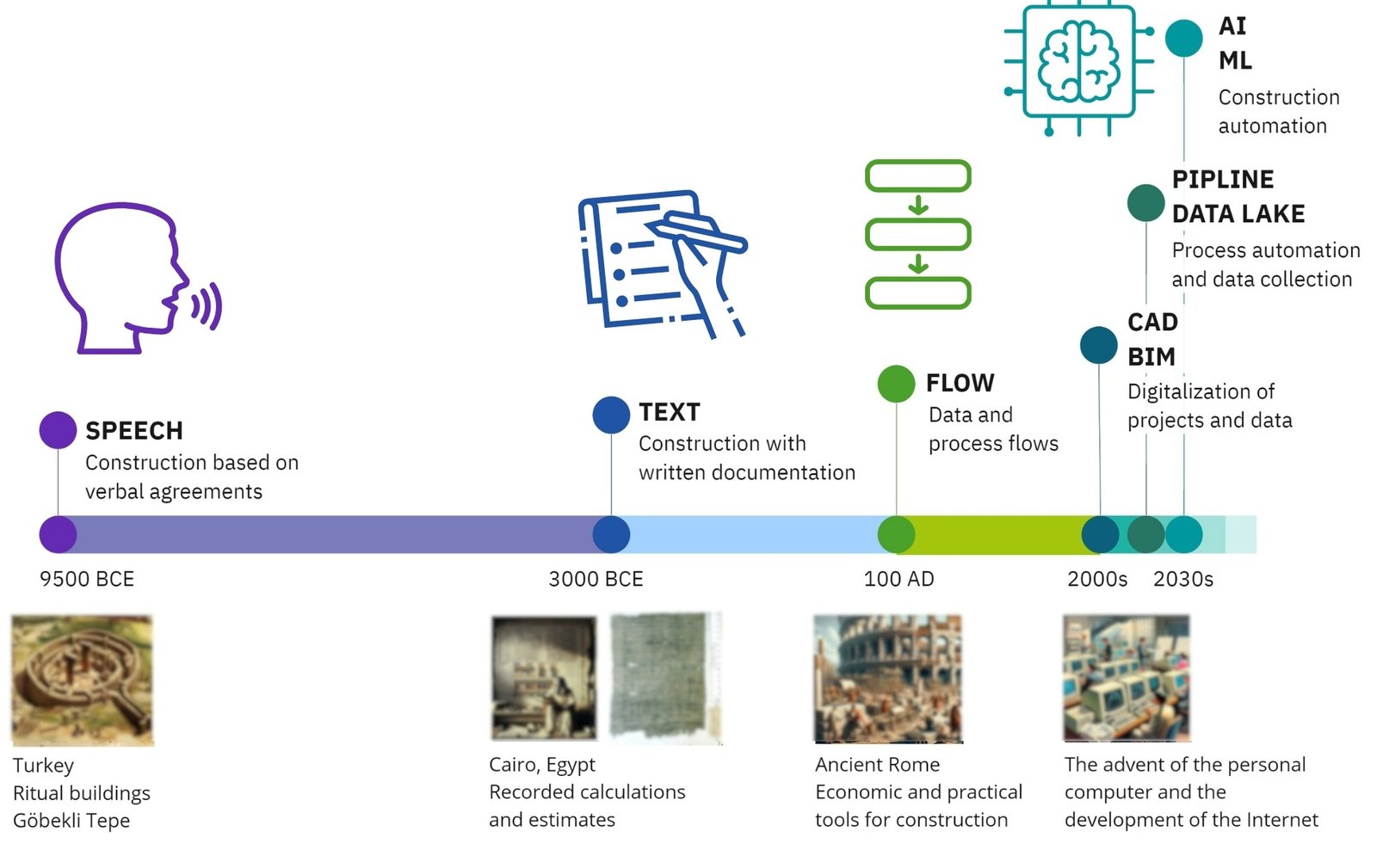
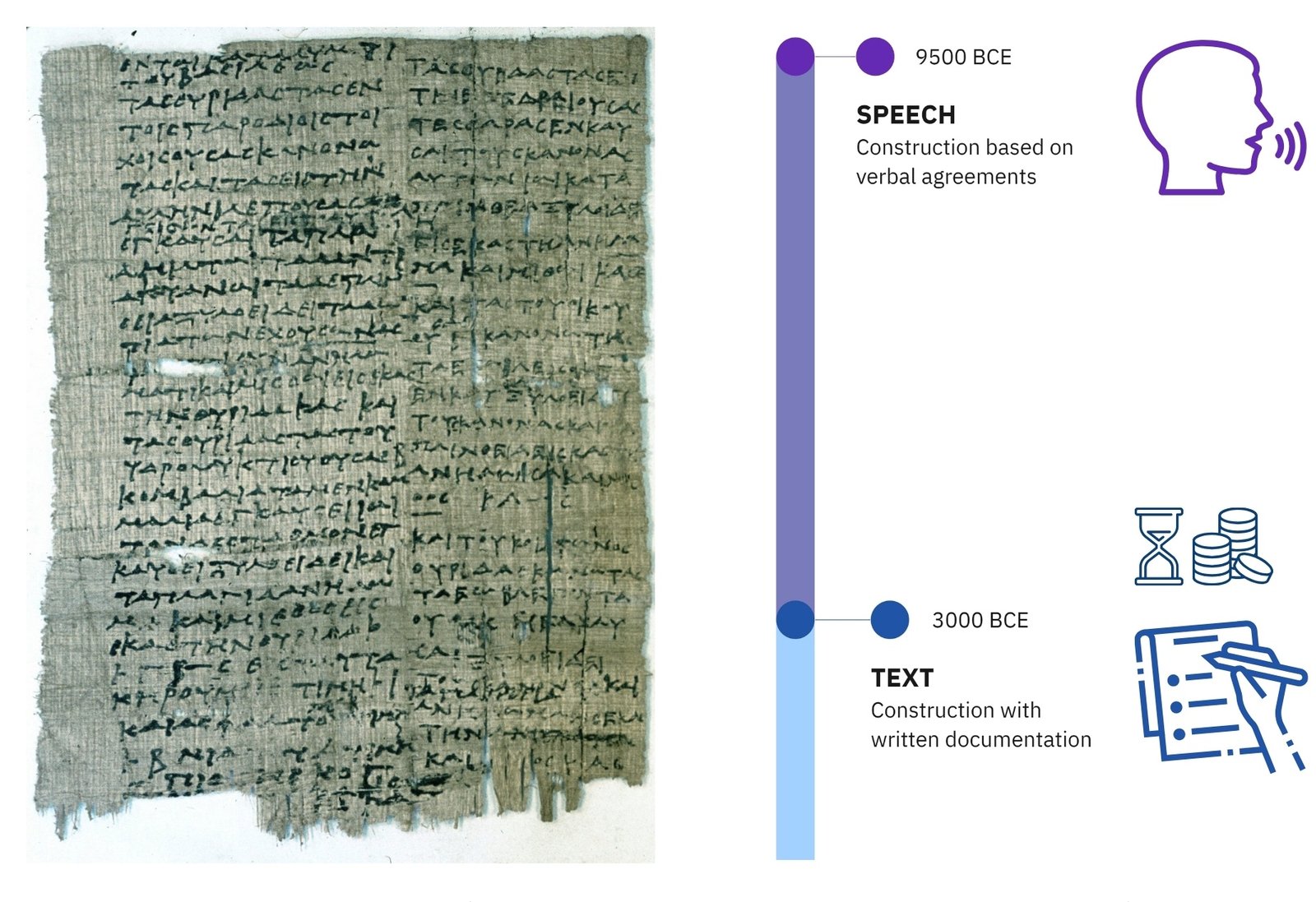
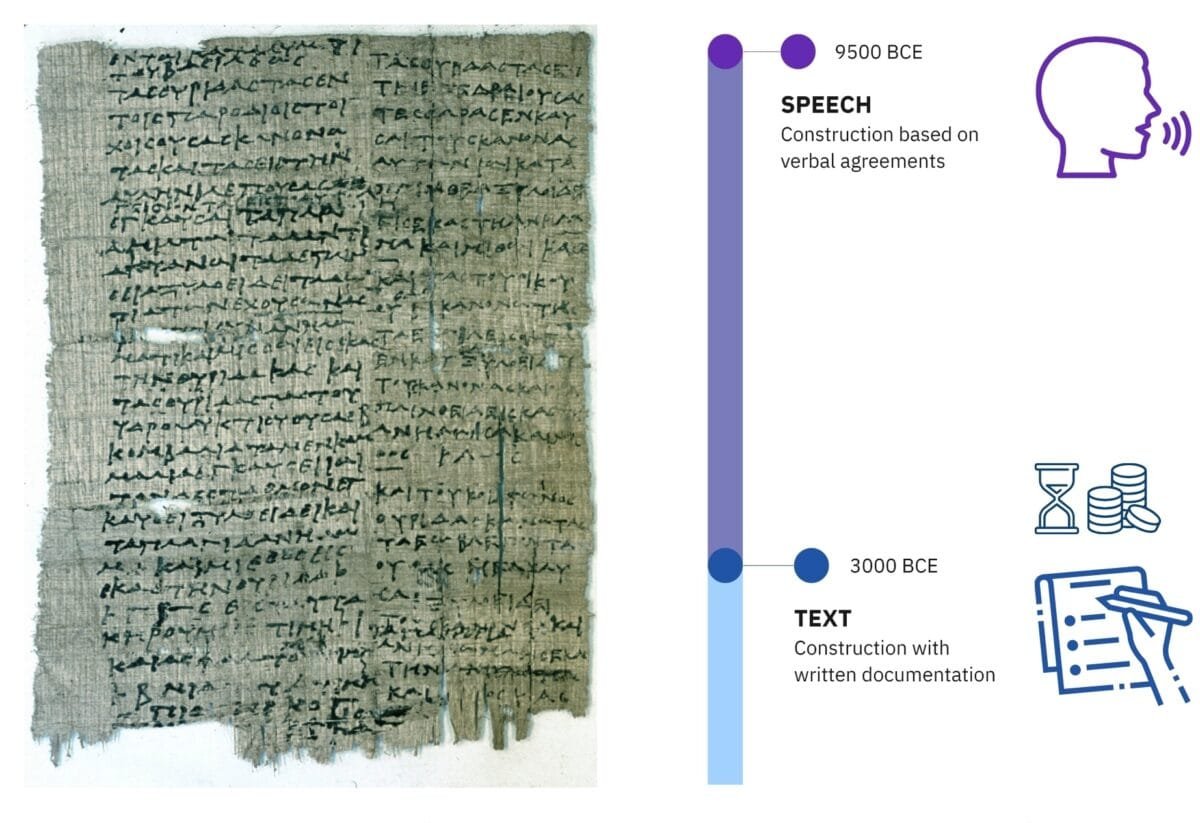
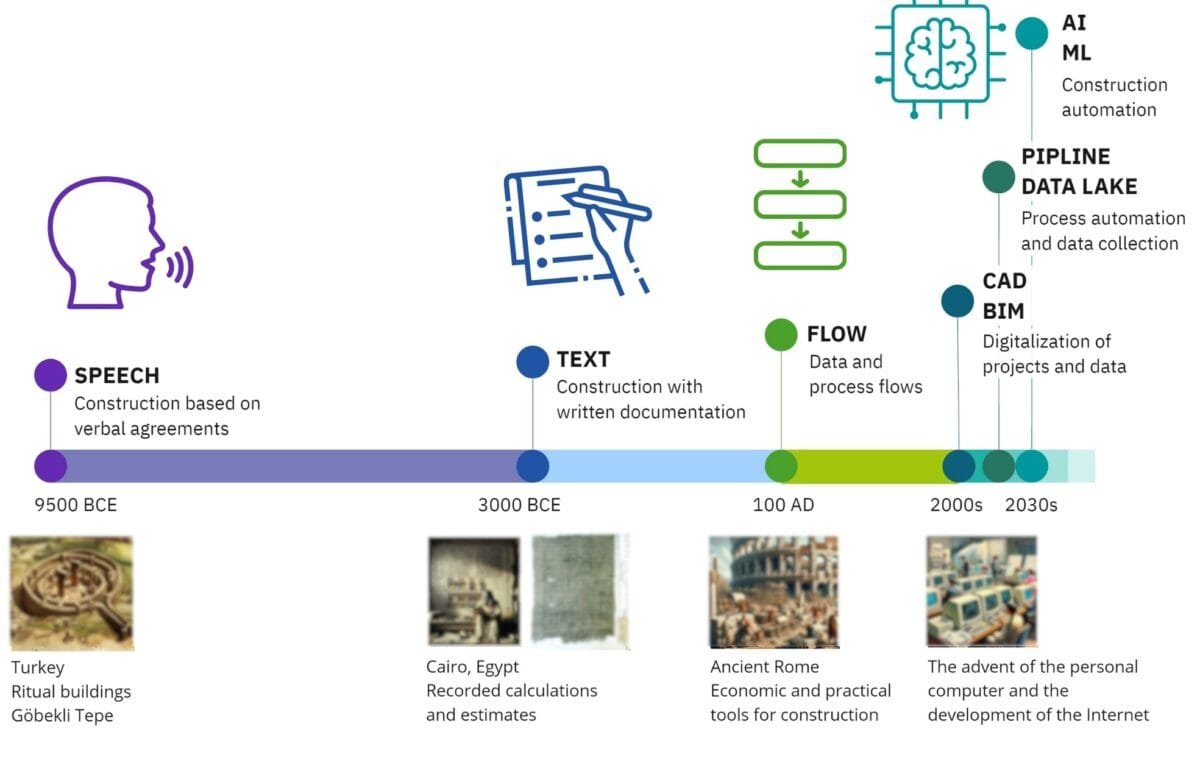
For millennia, the amount of information recorded in construction has barely changed, but it has grown rapidly in recent decades (Fig. 1.1-5).

According to the PwC study® “Managed Data. What Students Need to Succeed in a Rapidly Changing Business World”(2015)(PWC, “Data driven What students need to succeed in a rapidly changing business world,” February 15, 2015), 90% of all data in the world has been created in the last two years(as of 2015). However, most companies are not making full use of this data as it either remains in siloed systems or is simply archived without real analysis.

The increase in data volume has only accelerated in recent years, doubling from 15 zettabytes in 2015 to 181 zettabytes in 2025 (Skanska USA, “Fall Construction Market Trends,” 2 November 2023). Every day the servers of construction and design companies are filled with project documentation, work schedules, calculations and calculations, financial reports. For 2D/3D -drawings DWG, DXF and DGN formats are used, and for 3D models – RVT, NWC, PLN and IFC™. Text documents, tables and presentations are saved in DOC, XLSX and PPT. In addition to video and images from the construction site – in MPG and JPEG, real-time data from IoT components, RFID® tags (identification and tracking) and BMS building management systems (monitoring and control)
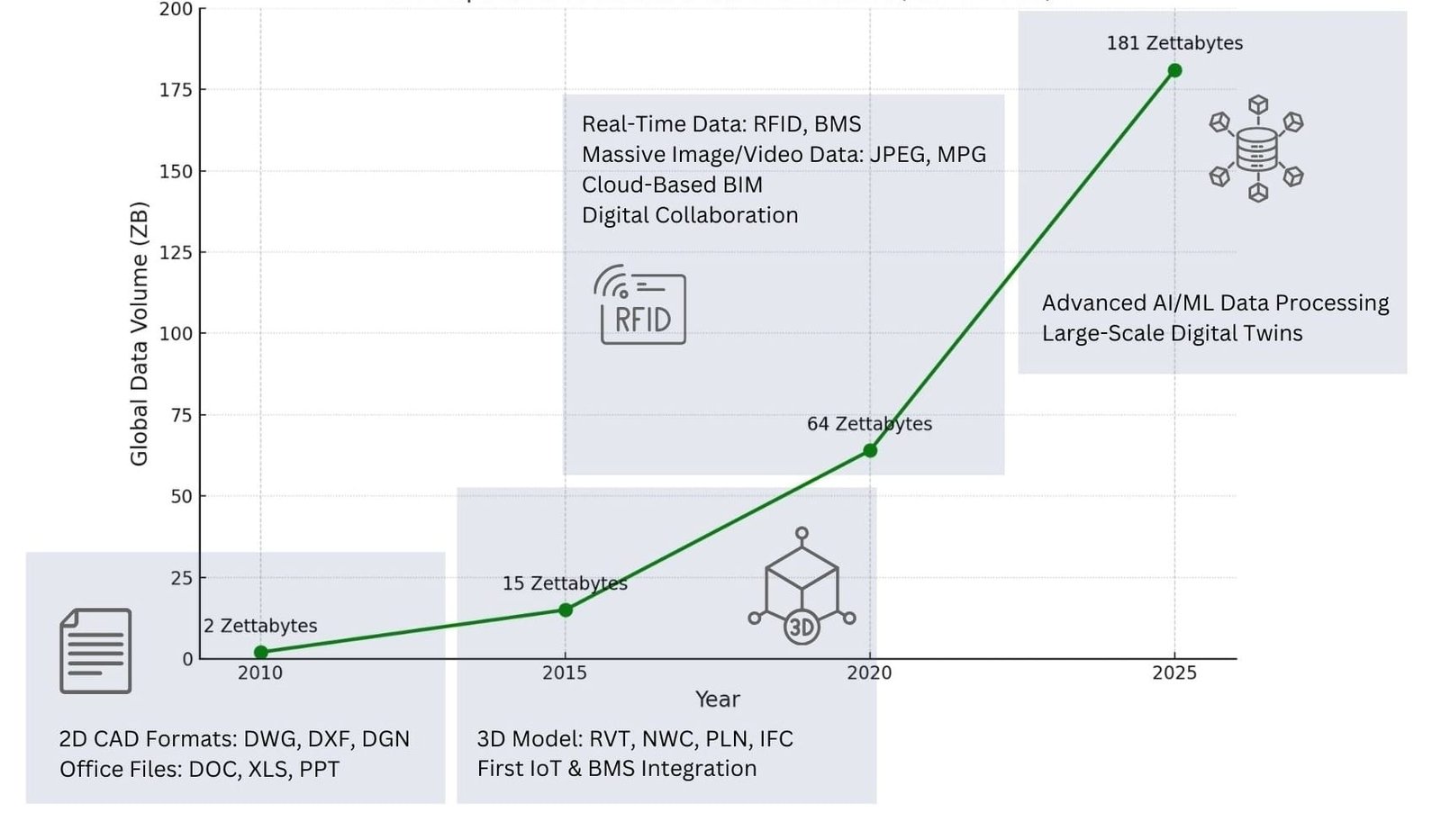
Рисунок 2
Fig. 1.1-5 Parabolic growth of data 2010-2025 (based on (Skanska USA, “Fall Construction Market Trends,” 2 November 2023)).

With the rapid growth of information, the construction industry is faced with the need to not only collect and store data, but also to ensure its verification, validation, measurability and analytical processing. Today, the industry is going through an active phase of information digitalization – the systematic transformation of all aspects of construction activities into a digital form suitable for analysis, interpretation and automation.

Information digitalization means taking information about all entities and elements of a construction project and the construction process itself – including those we previously did not consider information at all – and converting it into a data format to make the information quantifiable and easy to analyze.

In the context of construction, this means capturing and digitizing information on all elements of projects and all processes – from the movement of machinery and people on the construction site to weather and climate conditions on the construction site, current material prices and central bank interest rates – in order to generate analytical models.

If you can measure what you are talking about and express it in numbers, then you know something about the subject. But if you cannot quantify it, your knowledge is extremely limited and unsatisfactory. It may be a starting point, but it is not the level of true scientific knowledge. (“Oxford Essential Quotations (4th ed.),” Oxford University Press, 2016).

– W. Thomson (Lord Kelvin), 1824-1907, British scientist

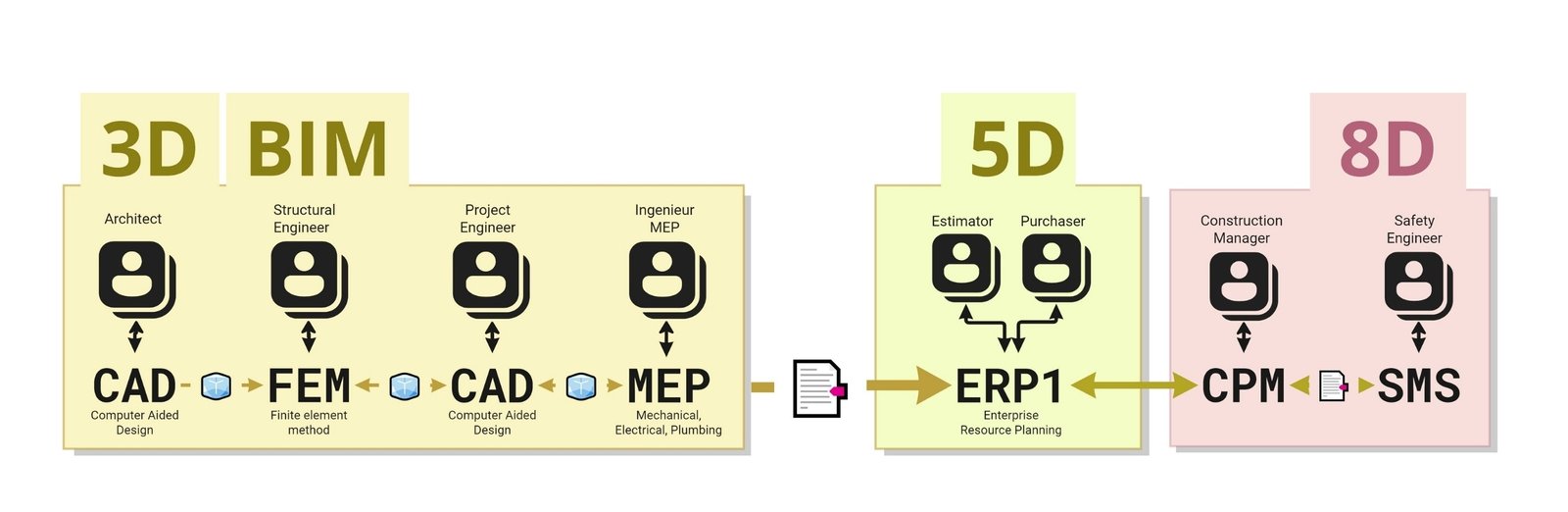
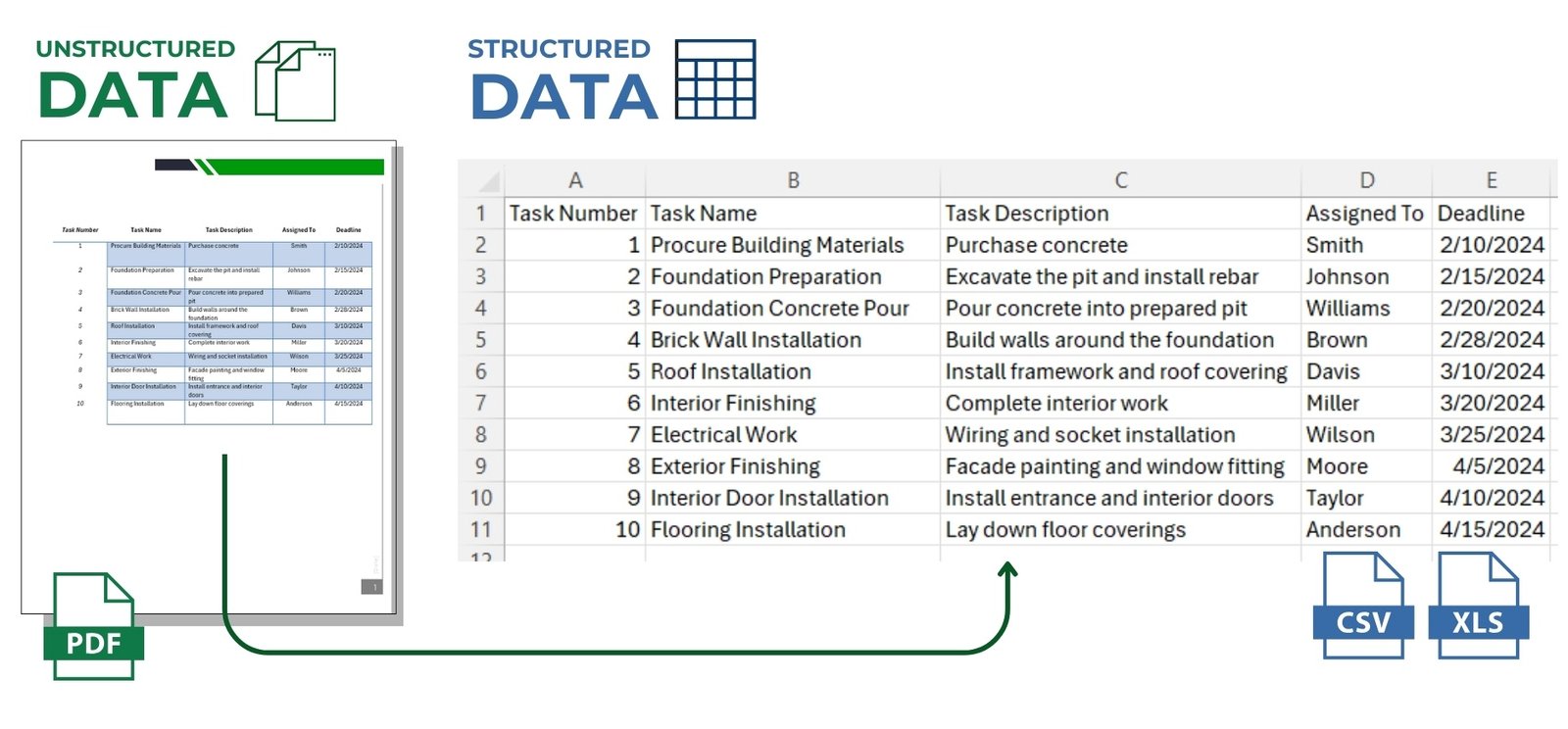
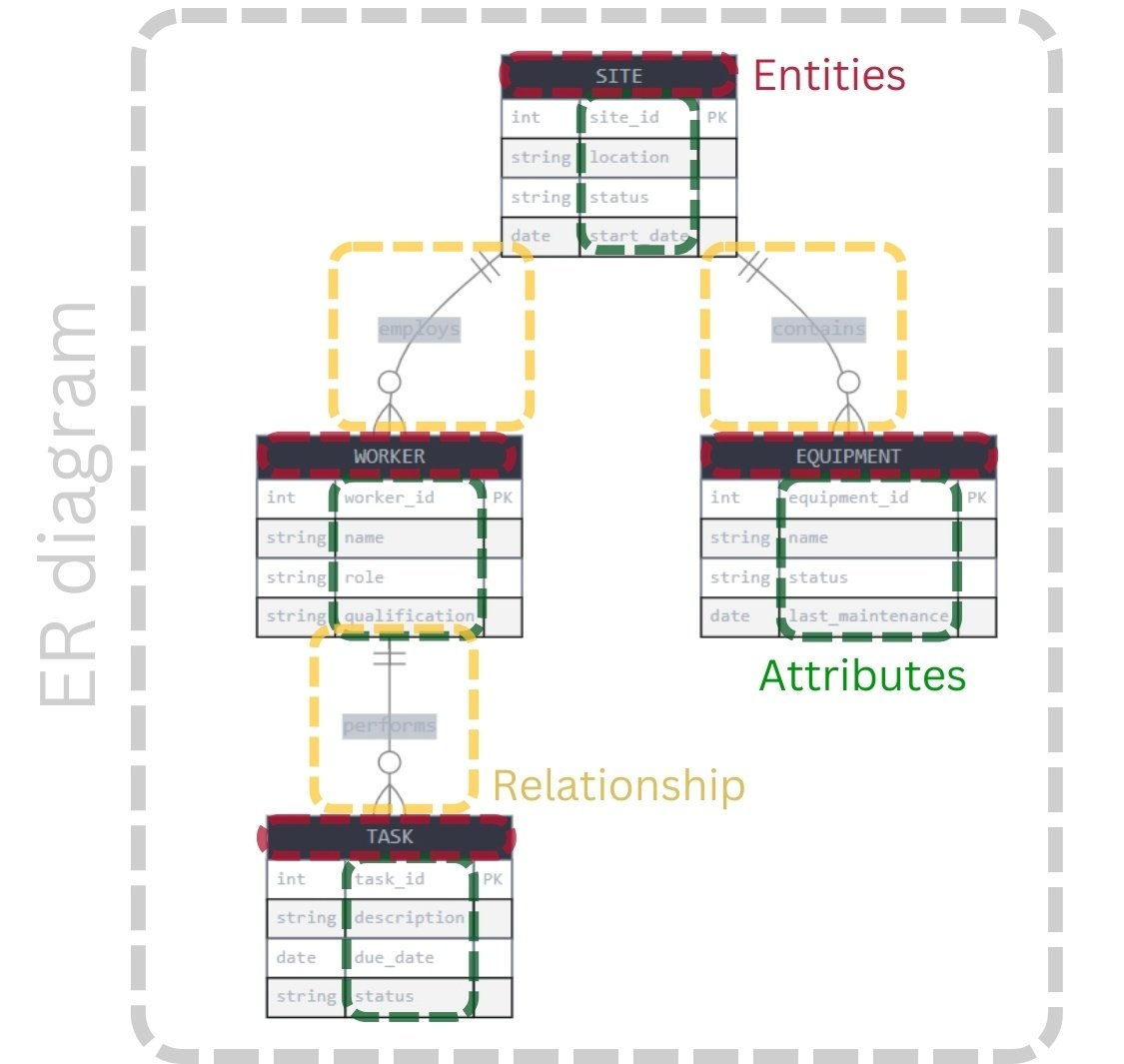
The digitalization of information goes far beyond the traditional approach to information collection, where only basic metrics such as man-hours or actual material costs were captured. Today, virtually any event can be transformed into a stream of data suitable for deep analysis using advanced analytics tools and machine learning techniques. The construction industry has undergone a fundamental shift from paper drawings, Excel spreadsheets and verbal instructions to digital systems (Fig. 1.2-4) in which every element of a project becomes a data source. Even employees – from engineers to construction workers on site – are now viewed as a collection of digital variables and data sets.

According to KPMG’s “Familiar Challenges – New Approaches: Global Construction Outlook 2023”, digital twins, AI (AI) and Big Data,are emerging as key drivers for improving project profitability(KPMG, “Familiar challenges – new approaches. 2023 Global Construction Survey,” January 1, 2023).

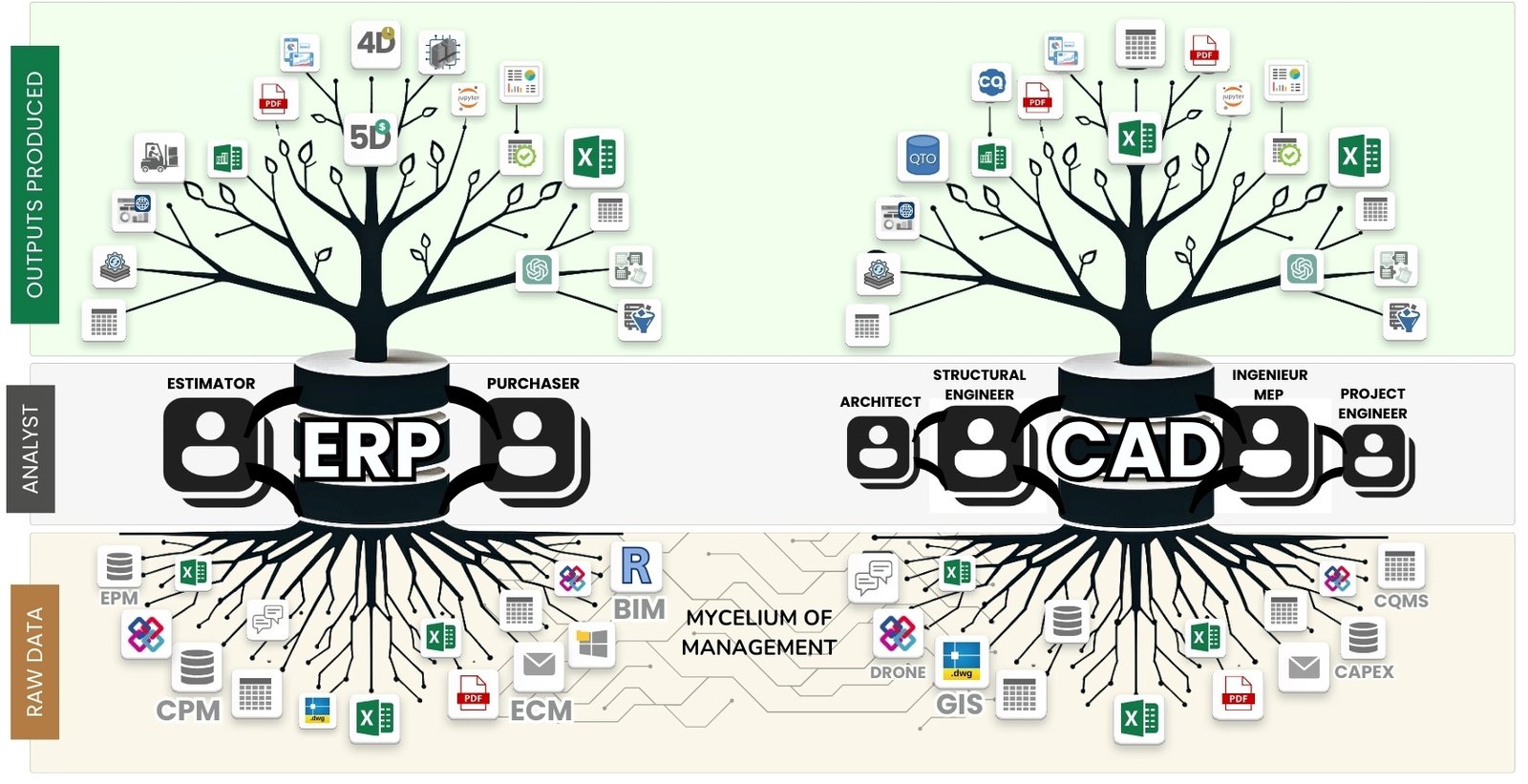
Modern technologies not only simplify information collection, making it largely automatic, but also radically reduce the cost of data storage. As a result, companies are abandoning a selective approach and prefer to store the entire array of information for later analysis (Fig. 2.1-5), which opens up potential opportunities for optimizing processes in the future.

The digitalization of information and digitalization make it possible to reveal the hidden, previously untapped value of information. With proper organization, data can be reused, reinterpreted and integrated into new services and solutions.

In the future, the digitalization of information is likely to lead to the full automation of document management, the introduction of self-managed construction processes and the emergence of new professions – construction data analysts, AI project management experts and digital engineers. Construction projects will become dynamic sources of information, and decision-making will be based not on intuition or subjective experience, but on reliable and reproducible digital facts

Information is the oil of the 21st century, and analyticsis the internal combustion engine (“Quote: Sondergaard on Data Analytics,”).

– Peter Sondergaard, Senior Vice President, Gartner®

According to IoT Analytics 2024 (“How global AI interest is boosting the data management market,” May 28, 2024),global spending on data management and analytics is expected to grow dramatically from $185.5 billion in 2023 to $513.3 billion by 2030, with a compound annual growth rate of 16%. However, not all components are growing at the same rate: analytics is growing rapidly, while storage growth is slowing. Analytics will provide the fastest growth in the data management ecosystem: it is projected to grow from $60.6 billion in 2023 to $227.9 billion by 2030, a compound annual growth rate of 27%.

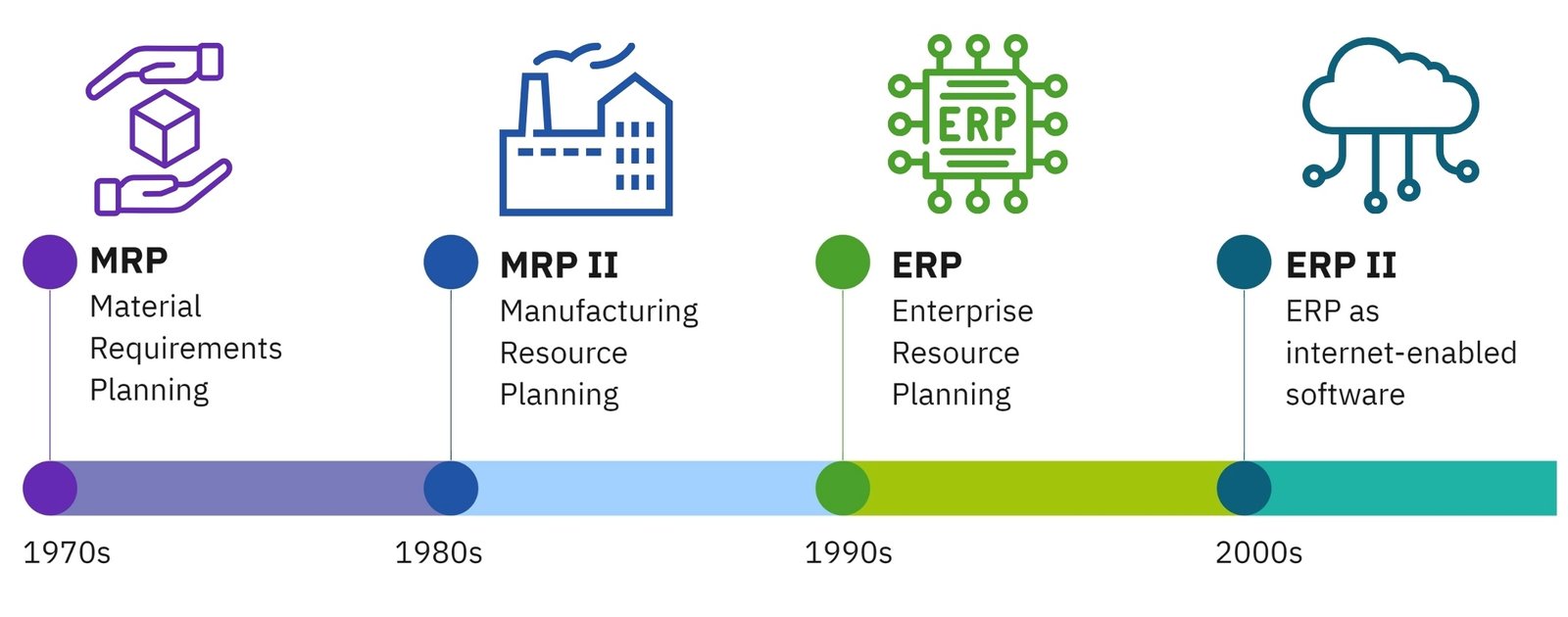
With the accelerating digitalization of information and the rapid growth of information volumes, construction project and company management is faced with the need to systematically store, analyze and process diverse, often heterogeneous data. In response to this challenge, starting in the mid-1990s, the industry began a massive shift to electronic creation, storage and management of documentation – from spreadsheets and design calculations to drawings and contracts.

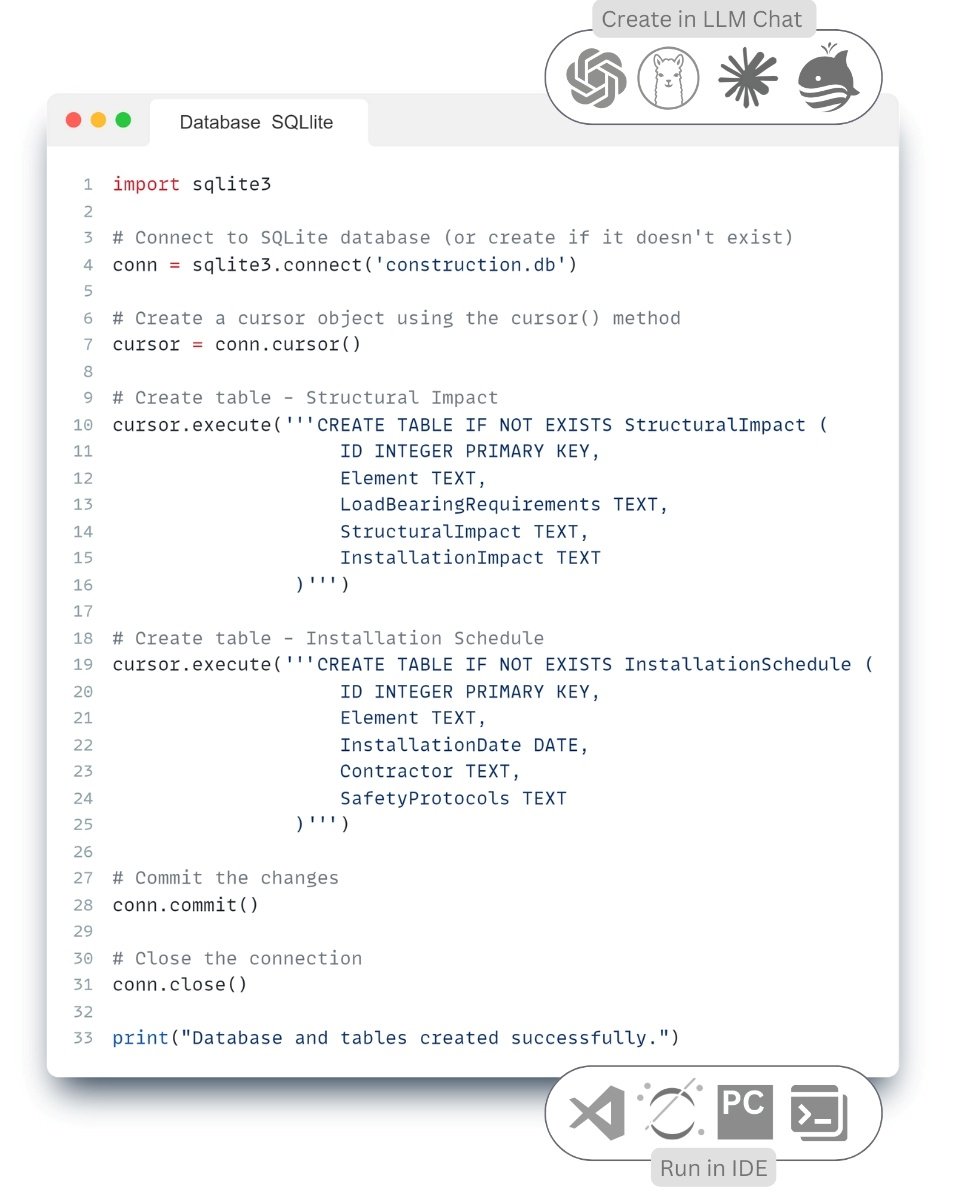
Traditional paper documents that require signatures, physical storage, regular revision and archiving in cabinets are gradually being replaced by digital systems that store data in a structured way – in databases of specialized applications.

.

.

Leave a Reply

Change language

Post's Highlights

Stay updated: news and insights


We’re Here to Help

Fresh solutions are released through our social channels

UNLOCK THE POWER OF DATA
 IN CONSTRUCTION

Dive into the world of data-driven construction with this accessible guide, perfect for professionals and novices alike.
From the basics of data management to cutting-edge trends in digital transformation, this book
will be your comprehensive guide to using data in the construction industry.

Related posts 

Focus Areas

navigate
  • ALL THE CHAPTERS IN THIS PART
  • A PRACTICAL GUIDE TO IMPLEMENTING A DATA-DRIVEN APPROACH (8)
  • CLASSIFICATION AND INTEGRATION: A COMMON LANGUAGE FOR CONSTRUCTION DATA (8)
  • DATA FLOW WITHOUT MANUAL EFFORT: WHY ETL (8)
  • DATA INFRASTRUCTURE: FROM STORAGE FORMATS TO DIGITAL REPOSITORIES (8)
  • DATA UNIFICATION AND STRUCTURING (7)
  • SYSTEMATIZATION OF REQUIREMENTS AND VALIDATION OF INFORMATION (7)
  • COST CALCULATIONS AND ESTIMATES FOR CONSTRUCTION PROJECTS (6)
  • EMERGENCE OF BIM-CONCEPTS IN THE CONSTRUCTION INDUSTRY (6)
  • MACHINE LEARNING AND PREDICTIONS (6)
  • BIG DATA AND ITS ANALYSIS (5)
  • DATA ANALYTICS AND DATA-DRIVEN DECISION-MAKING (5)
  • DATA CONVERSION INTO A STRUCTURED FORM (5)
  • DESIGN PARAMETERIZATION AND USE OF LLM FOR CAD OPERATION (5)
  • GEOMETRY IN CONSTRUCTION: FROM LINES TO CUBIC METERS (5)
  • LLM AND THEIR ROLE IN DATA PROCESSING AND BUSINESS PROCESSES (5)
  • ORCHESTRATION OF ETL AND WORKFLOWS: PRACTICAL SOLUTIONS (5)
  • SURVIVAL STRATEGIES: BUILDING COMPETITIVE ADVANTAGE (5)
  • 4D-6D and Calculation of Carbon Dioxide Emissions (4)
  • CONSTRUCTION ERP AND PMIS SYSTEMS (4)
  • COST AND SCHEDULE FORECASTING USING MACHINE LEARNING (4)
  • DATA WAREHOUSE MANAGEMENT AND CHAOS PREVENTION (4)
  • EVOLUTION OF DATA USE IN THE CONSTRUCTION INDUSTRY (4)
  • IDE WITH LLM SUPPORT AND FUTURE PROGRAMMING CHANGES (4)
  • QUANTITY TAKE-OFF AND AUTOMATIC CREATION OF ESTIMATES AND SCHEDULES (4)
  • THE DIGITAL REVOLUTION AND THE EXPLOSION OF DATA (4)
  • Uncategorized (4)
  • CLOSED PROJECT FORMATS AND INTEROPERABILITY ISSUES (3)
  • MANAGEMENT SYSTEMS IN CONSTRUCTION (3)
  • AUTOMATIC ETL CONVEYOR (PIPELINE) (2)

Search

Search

057 Speed of decision making depends on data quality

Today’s design data architecture is undergoing fundamental changes. The industry is moving away from bulky, isolated models and closed formats towards more flexible, machine-readable structures focused on analytics, integration and process automation. However, the transition...
060 A common language of construction the role of classifiers in digital transformation

In the context of digitalization and automation of inspection and processing processes, a special role is played by classification systems elements – a kind of “digital dictionaries” that ensure uniformity in the description and parameterization...

061 Masterformat, OmniClass, Uniclass and CoClass the evolution of classification systems

Historically, construction element and work classifiers have evolved in three generations, each reflecting the level of available technology and the current needs of the industry in a particular time period (Fig. 4.2-8): First generation (early...

Don't miss the new solutions


Linux

macOS

Looking for the Linux or MAC version? Send us a quick message using the button below, and we’ll guide you through the process!


📥 Download OnePager

Welcome to DataDrivenConstruction—where data meets innovation in the construction industry. Our One-Pager offers a concise overview of how our data-driven solutions can transform your projects, enhance efficiency, and drive sustainable growth. 

🚀 Welcome to the future of data in construction!

You're taking your first step into the world of open data, working with normalized, structured data—the foundation of data analytics and modern automation tools.

By downloading, you agree to the DataDrivenConstruction terms of use 

Stay ahead with the latest updates on converters, tools, AI, LLM
and data analytics in construction — Subscribe now!

🚀 Welcome to the future of data in construction!

You're taking your first step into the world of open data, working with normalized, structured data—the foundation of data analytics and modern automation tools.

By downloading, you agree to the DataDrivenConstruction terms of use 

Stay ahead with the latest updates on converters, tools, AI, LLM
and data analytics in construction — Subscribe now!

🚀 Welcome to the future of data in construction!

You're taking your first step into the world of open data, working with normalized, structured data—the foundation of data analytics and modern automation tools.

By downloading, you agree to the DataDrivenConstruction terms of use 

Stay ahead with the latest updates on converters, tools, AI, LLM
and data analytics in construction — Subscribe now!

🚀 Welcome to the future of data in construction!

You're taking your first step into the world of open data, working with normalized, structured data—the foundation of data analytics and modern automation tools.

By downloading, you agree to the DataDrivenConstruction terms of use 

Stay ahead with the latest updates on converters, tools, AI, LLM
and data analytics in construction — Subscribe now!

🚀 Welcome to the future of data in construction!

You're taking your first step into the world of open data, working with normalized, structured data—the foundation of data analytics and modern automation tools.

By downloading, you agree to the DDC terms of use 

🚀 Welcome to the future of data in construction!

You're taking your first step into the world of open data, working with normalized, structured data—the foundation of data analytics and modern automation tools.

By downloading, you agree to the DataDrivenConstruction terms of use 

Stay ahead with the latest updates on converters, tools, AI, LLM
and data analytics in construction — Subscribe now!

DataDrivenConstruction offers workshops tested and practiced on global leaders in the construction industry to help your team navigate and leverage the power of data and artificial intelligence in your company's decision making.

Reserve your spot now to rethink your
approach to decision making!


🚀 Welcome to the future of data in construction!

By downloading, you agree to the DataDrivenConstruction terms of use 

Stay ahead with the latest updates on converters, tools, AI, LLM
and data analytics in construction — Subscribe now!

Have a question or need more information? Reach out to us directly!
Schedule a time to discuss your needs with our team.
Tailored sessions to help your team grow — let's plan together!
Have you attended one of our workshops, read our book, or used our solutions? Share your thoughts with us!
Name
Data Maturity Diagnostics

🧰 Data-Driven Readiness Check

This short assessment will help you identify your company's data management pain points and offer solutions to improve project efficiency. It takes only 1–2 minutes to complete and you will receive personalized recommendations tailored to your needs.

Clean & Organized Data

Theoretical Chapters:

Practical Chapters:

What You'll Find on
DDC Solutions:

  • CAD/BIM to spreadsheet/database converters (Revit, AutoCAD, IFC, Microstation)
  • Ready-to-deploy n8n workflows for construction processes
  • ETL pipelines for data synchronization between systems
  • Customizable Python scripts for repetitive tasks
  • Intelligent data validation and error detection
  • Real-time dashboard connectors
  • Automated reporting systems

Connect Everything

Theoretical Chapters:

Practical Chapters:

What You'll Find on
DDC Solutions:

  • CAD/BIM to spreadsheet/database converters (Revit, AutoCAD, IFC, Microstation)
  • Ready-to-deploy n8n workflows for construction processes
  • ETL pipelines for data synchronization between systems
  • Customizable Python scripts for repetitive tasks
  • Intelligent data validation and error detection
  • Real-time dashboard connectors
  • Automated reporting systems

Add AI & LLM Brain

Theoretical Chapters:

Practical Chapters:

What You'll Find on
DDC Solutions:

  • CAD/BIM to spreadsheet/database converters (Revit, AutoCAD, IFC, Microstation)
  • Ready-to-deploy n8n workflows for construction processes
  • ETL pipelines for data synchronization between systems
  • Customizable Python scripts for repetitive tasks
  • Intelligent data validation and error detection
  • Real-time dashboard connectors
  • Automated reporting systems
004 Digitalization of construction process information
This website uses cookies to improve your experience. By using this website you agree to our Data Protection Policy.
Read more
×