Picture 11
138 DWH Data Warehouse data warehouses
29 April 2025
image110
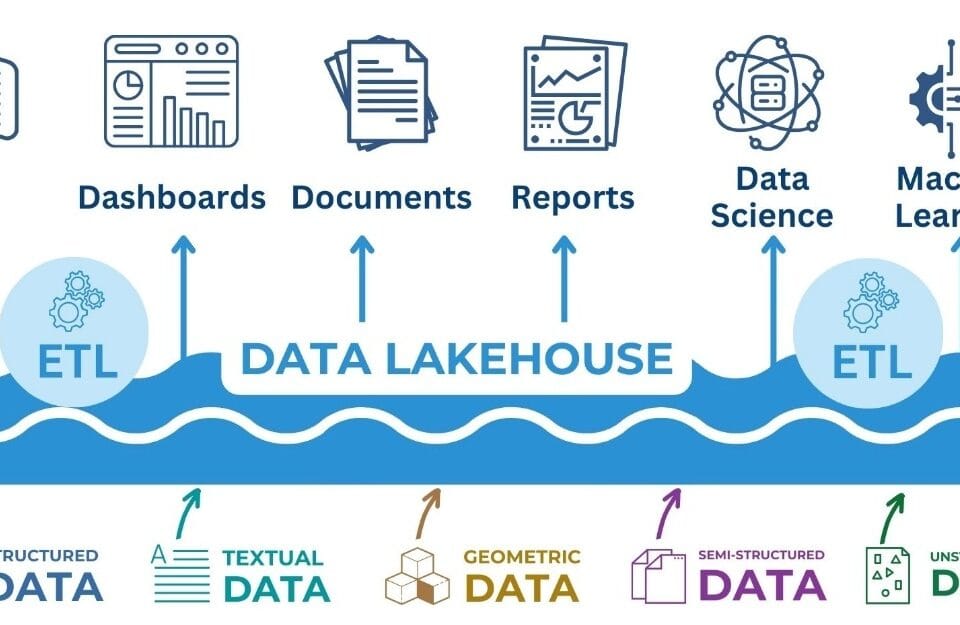
140 Data Lakehouse architecture synergy of warehouses and data lakes
1 May 2025

139 Data Lake – evolution of ETL to ELT from traditional cleaning to flexible processing

Classic DWH – data warehouses, designed to store structured data in a format optimized for analytical queries, have faced limitations in handling unstructured data and scalability. In response to these challenges, Data Lakes) have emerged, offering flexible storage for large amounts of heterogeneous data.

Data Lake offers an alternative DWH -approach that allows working with unstructured, semi-structured and raw data without a prior hard schema. This storage method is often relevant for real-time data processing, machine learning and advanced analytics. Unlike DWH, which structures and aggregates data before loading, Data Lake allows information to be stored in its raw form, thus providing flexibility and scalability

It was frustration with traditional data warehouses (RDBMS, DWH) and interest in “big data” that led to the emergence of data lakes, where instead of complex ETL, data is now simply loaded into a loosely structured repository, and its processing takes place already at the analysis stage:

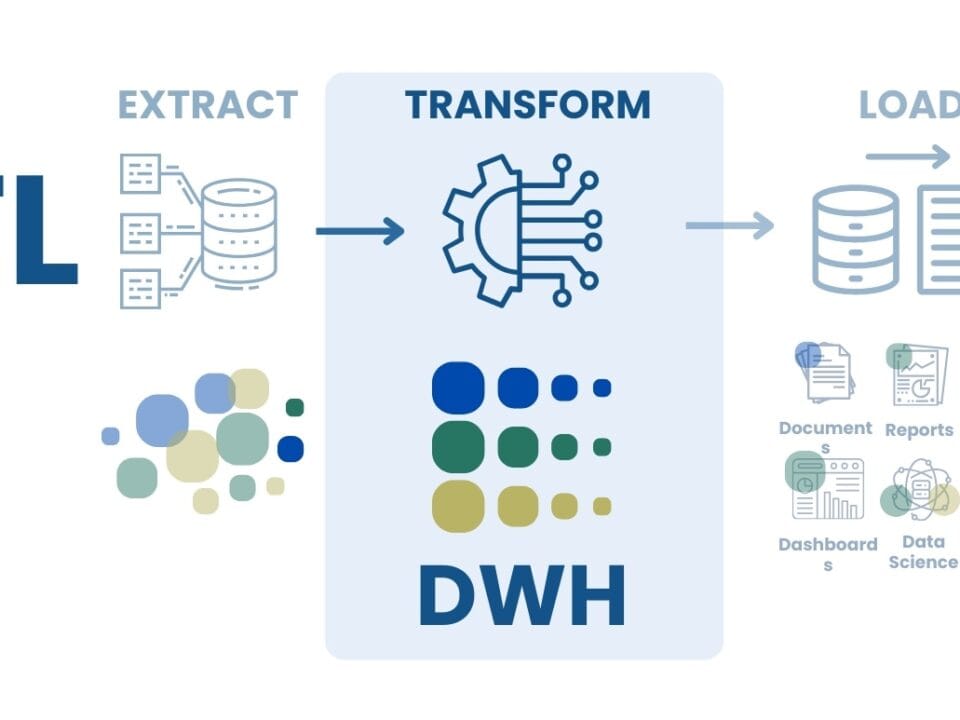
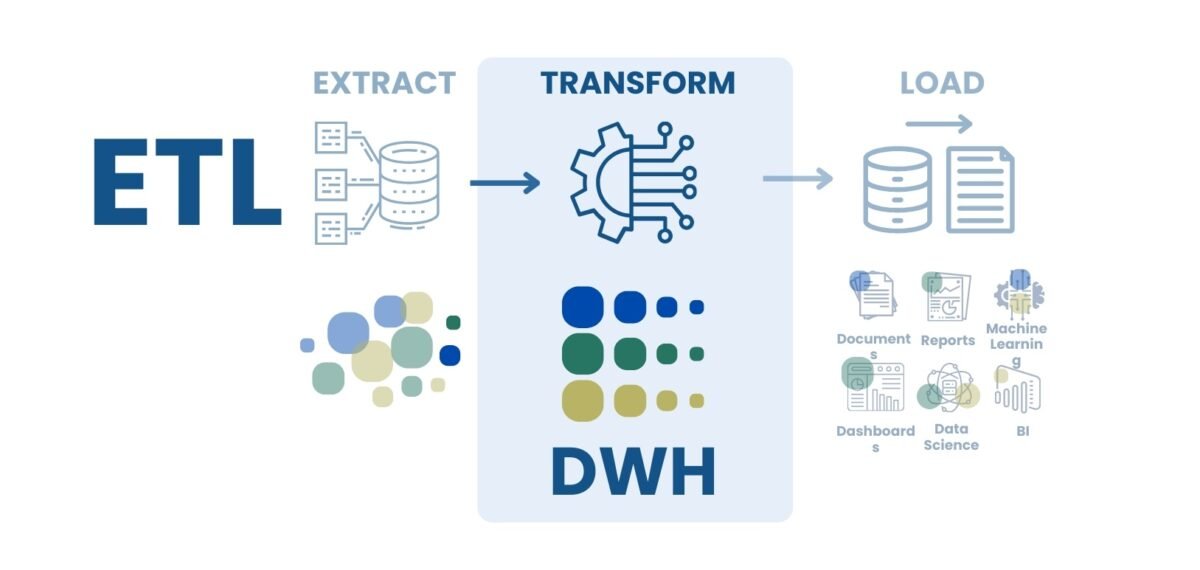
In traditional data warehouses, data is typically pre-processed, transformed and cleaned (ETL – Extract, Transform, Load) before being loaded into the warehouse (Fig. 8.1-6). This means that data is structured and optimized for specific future analytics and reporting tasks. The emphasis is on maintaining high query performance and data integrity. However, this approach can be costly and less flexible in terms of integrating new data types and rapidly changing data schemas.

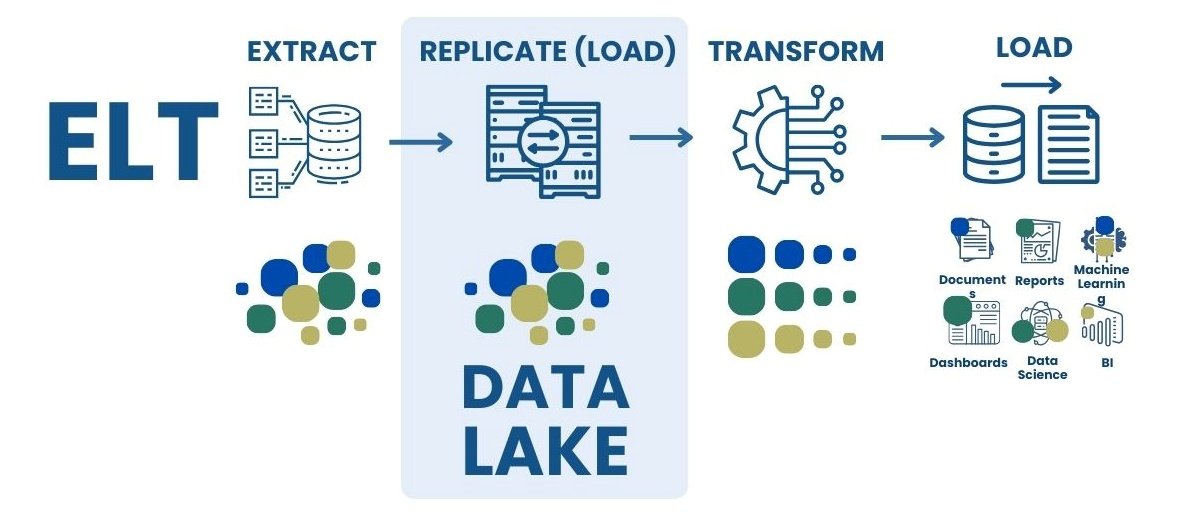
Data lakes, on the other hand, are designed to store large amounts of raw data in its original format (Fig. 8.1-7). The ETL (Extract, Transform, Load), process is being replaced by ELT (Extract, Load, Transform), where data is first loaded into storage “as is” and only then can be transformed and analyzed as needed. This provides greater flexibility and the ability to store heterogeneous data, including unstructured data such as text, images and logs.
.

Picture 11
Fig.‎ 8.1-7 Unlike ETL, Data Lake uses ELT, in which information is first loaded in “raw” form, and transformation is performed at the upload stage.

Traditional data warehouses focus on pre-processing data for high query performance, while data lakes prioritize flexibility: they store raw data and transform it as needed (Fig. 8.1-8).
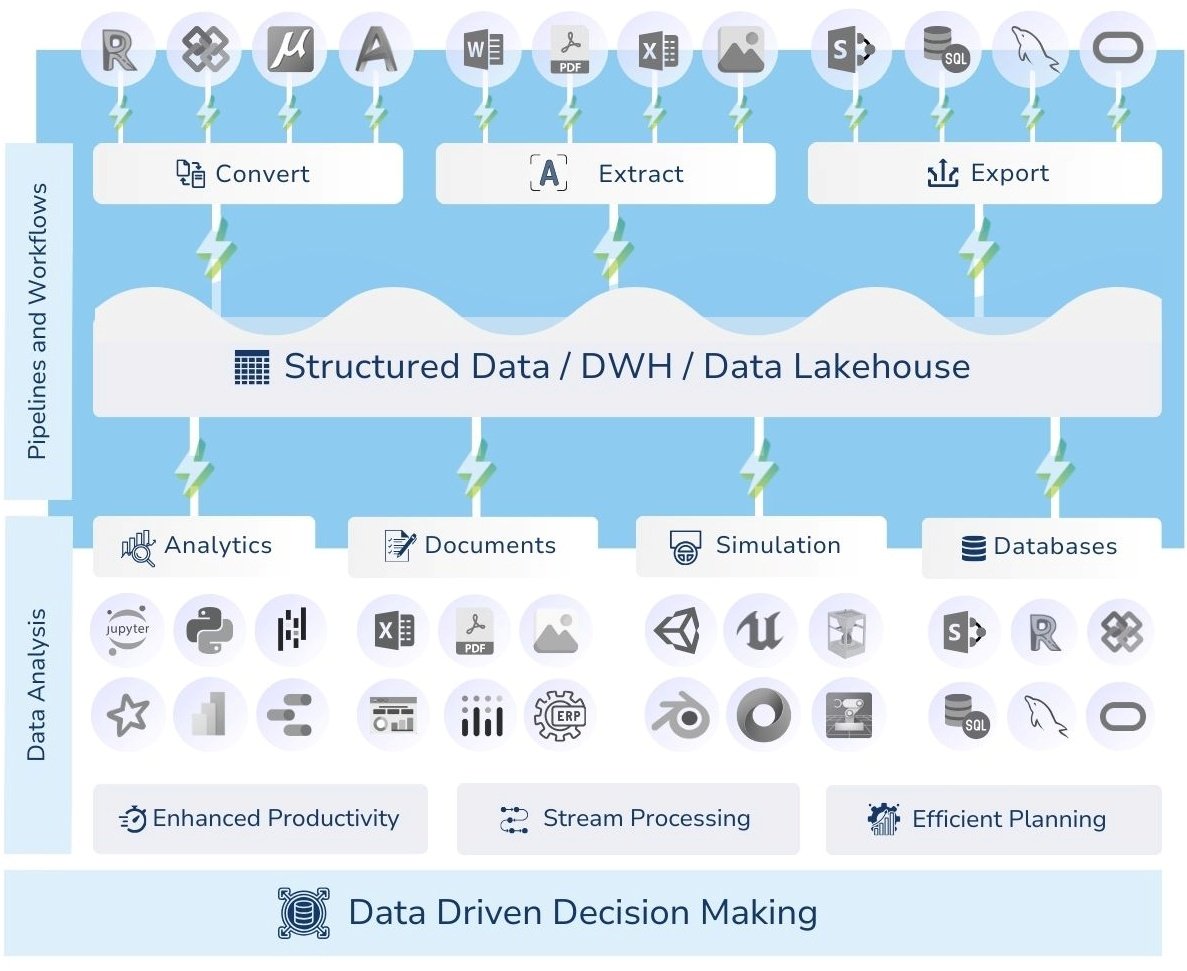
image164
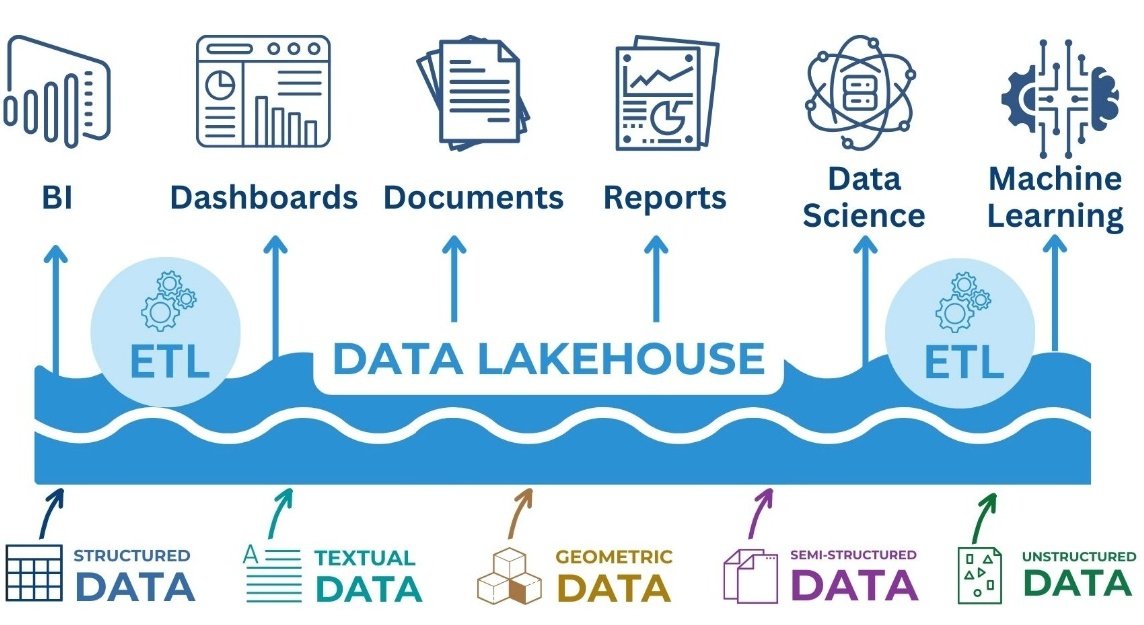
Fig. 8.1-8 Modern storage concepts aim to store and process all types of data for decision-making purposes.

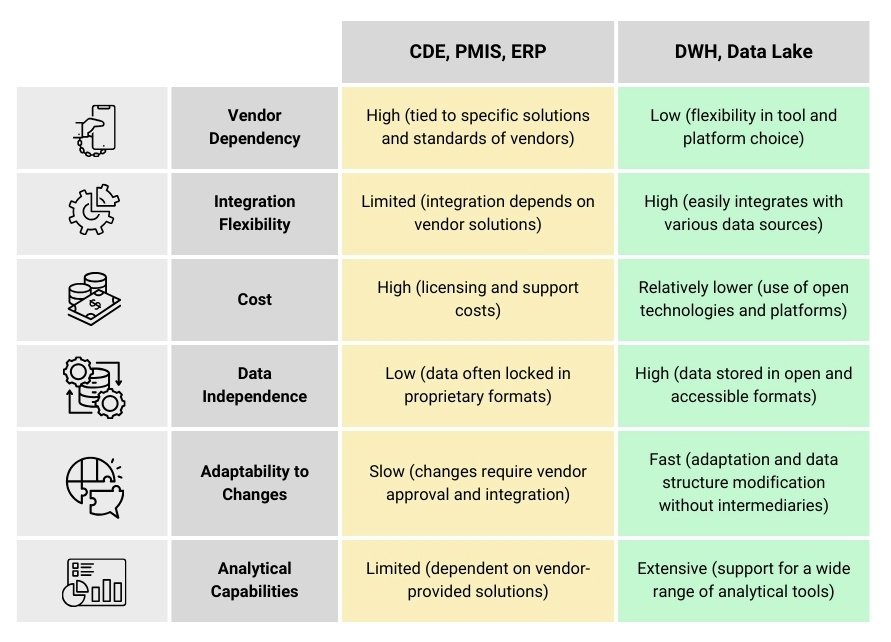
However, despite all the advantages and data lakes are not without disadvantages. The lack of a strict structure and the complexity of information management can lead to chaos in which data is duplicated, contradicts each other or loses its relevance. In addition, searching and analyzing data in such a repository requires considerable effort, especially when dealing with heterogeneous information. To overcome these limitations and combine the best features of traditional data warehouses and data lakes, the Data Lakehouse architecture was developed.

.

Leave a Reply

Change language

Post's Highlights

Stay updated: news and insights


We’re Here to Help

Fresh solutions are released through our social channels

UNLOCK THE POWER OF DATA
 IN CONSTRUCTION

Dive into the world of data-driven construction with this accessible guide, perfect for professionals and novices alike.
From the basics of data management to cutting-edge trends in digital transformation, this book
will be your comprehensive guide to using data in the construction industry.

Related posts 

Focus Areas

Sorry, no articles found.

✕

Don't miss the new solutions


✕
✕

Linux

macOS

Looking for the Linux or MAC version? Send us a quick message using the button below, and we’ll guide you through the process!

✕

📥 Download OnePager

Welcome to DataDrivenConstruction—where data meets innovation in the construction industry. Our One-Pager offers a concise overview of how our data-driven solutions can transform your projects, enhance efficiency, and drive sustainable growth. 

✕

🚀 Welcome to the future of data in construction!

You're taking your first step into the world of open data, working with normalized, structured data—the foundation of data analytics and modern automation tools.

By downloading, you agree to the DataDrivenConstruction terms of use 

Stay ahead with the latest updates on converters, tools, AI, LLM
and data analytics in construction — Subscribe now!

✕

🚀 Welcome to the future of data in construction!

You're taking your first step into the world of open data, working with normalized, structured data—the foundation of data analytics and modern automation tools.

By downloading, you agree to the DataDrivenConstruction terms of use 

Stay ahead with the latest updates on converters, tools, AI, LLM
and data analytics in construction — Subscribe now!

✕

🚀 Welcome to the future of data in construction!

You're taking your first step into the world of open data, working with normalized, structured data—the foundation of data analytics and modern automation tools.

By downloading, you agree to the DataDrivenConstruction terms of use 

Stay ahead with the latest updates on converters, tools, AI, LLM
and data analytics in construction — Subscribe now!

✕

🚀 Welcome to the future of data in construction!

You're taking your first step into the world of open data, working with normalized, structured data—the foundation of data analytics and modern automation tools.

By downloading, you agree to the DataDrivenConstruction terms of use 

Stay ahead with the latest updates on converters, tools, AI, LLM
and data analytics in construction — Subscribe now!

✕

🚀 Welcome to the future of data in construction!

You're taking your first step into the world of open data, working with normalized, structured data—the foundation of data analytics and modern automation tools.

By downloading, you agree to the DDC terms of use 

✕

🚀 Welcome to the future of data in construction!

You're taking your first step into the world of open data, working with normalized, structured data—the foundation of data analytics and modern automation tools.

By downloading, you agree to the DataDrivenConstruction terms of use 

Stay ahead with the latest updates on converters, tools, AI, LLM
and data analytics in construction — Subscribe now!

✕
DataDrivenConstruction offers workshops tested and practiced on global leaders in the construction industry to help your team navigate and leverage the power of data and artificial intelligence in your company's decision making.

Reserve your spot now to rethink your
approach to decision making!

✕


🚀 Welcome to the future of data in construction!

By downloading, you agree to the DataDrivenConstruction terms of use 

Stay ahead with the latest updates on converters, tools, AI, LLM
and data analytics in construction — Subscribe now!

✕
Have a question or need more information? Reach out to us directly!
Schedule a time to discuss your needs with our team.
Tailored sessions to help your team grow — let's plan together!
✕
Have you attended one of our workshops, read our book, or used our solutions? Share your thoughts with us!
Name
✕
Data Maturity Diagnostics

🧰 Data-Driven Readiness Check

This short assessment will help you identify your company's data management pain points and offer solutions to improve project efficiency. It takes only 1–2 minutes to complete and you will receive personalized recommendations tailored to your needs.

✕

Clean & Organized Data

Theoretical Chapters:

Practical Chapters:

What You'll Find on
DDC Solutions:

  • CAD/BIM to spreadsheet/database converters (Revit, AutoCAD, IFC, Microstation)
  • Ready-to-deploy n8n workflows for construction processes
  • ETL pipelines for data synchronization between systems
  • Customizable Python scripts for repetitive tasks
  • Intelligent data validation and error detection
  • Real-time dashboard connectors
  • Automated reporting systems
✕

Connect Everything

Theoretical Chapters:

Practical Chapters:

What You'll Find on
DDC Solutions:

  • CAD/BIM to spreadsheet/database converters (Revit, AutoCAD, IFC, Microstation)
  • Ready-to-deploy n8n workflows for construction processes
  • ETL pipelines for data synchronization between systems
  • Customizable Python scripts for repetitive tasks
  • Intelligent data validation and error detection
  • Real-time dashboard connectors
  • Automated reporting systems
✕

Add AI & LLM Brain

Theoretical Chapters:

Practical Chapters:

What You'll Find on
DDC Solutions:

  • CAD/BIM to spreadsheet/database converters (Revit, AutoCAD, IFC, Microstation)
  • Ready-to-deploy n8n workflows for construction processes
  • ETL pipelines for data synchronization between systems
  • Customizable Python scripts for repetitive tasks
  • Intelligent data validation and error detection
  • Real-time dashboard connectors
  • Automated reporting systems
139 Data Lake – evolution of ETL to ELT from traditional cleaning to flexible processing
This website uses cookies to improve your experience. By using this website you agree to our Data Protection Policy.
Read more
×