Geometric data
18 February 2024
Filling systems with data in the construction industry
18 February 2024

BIM data and BOM-BIM concept

The concept of BIM (Building Information Modeling), as outlined in the 2003 BIM White Paper, originated from the marketing initiatives of CAD (BIM) software manufacturers. It was inspired by the adoption of the BOM (Bill of Materials) concept from mechanical engineering to the construction industry. This innovation followed the introduction of Revit® CAD software in 2002, which was developed by the same team as Pro/ENGINEER (BOM concept), but it was specifically adapted for the construction industry. Pro / ENGINEER has revolutionized the MCAD (Mechanical Computer Aided Design) market. Element-based parametric modeling, which is the foundation of Pro / ENGINEER, dominated the industry for a quarter century, and all the leading MCAD systems have become the conceptual successors of Pro / ENGINEER.
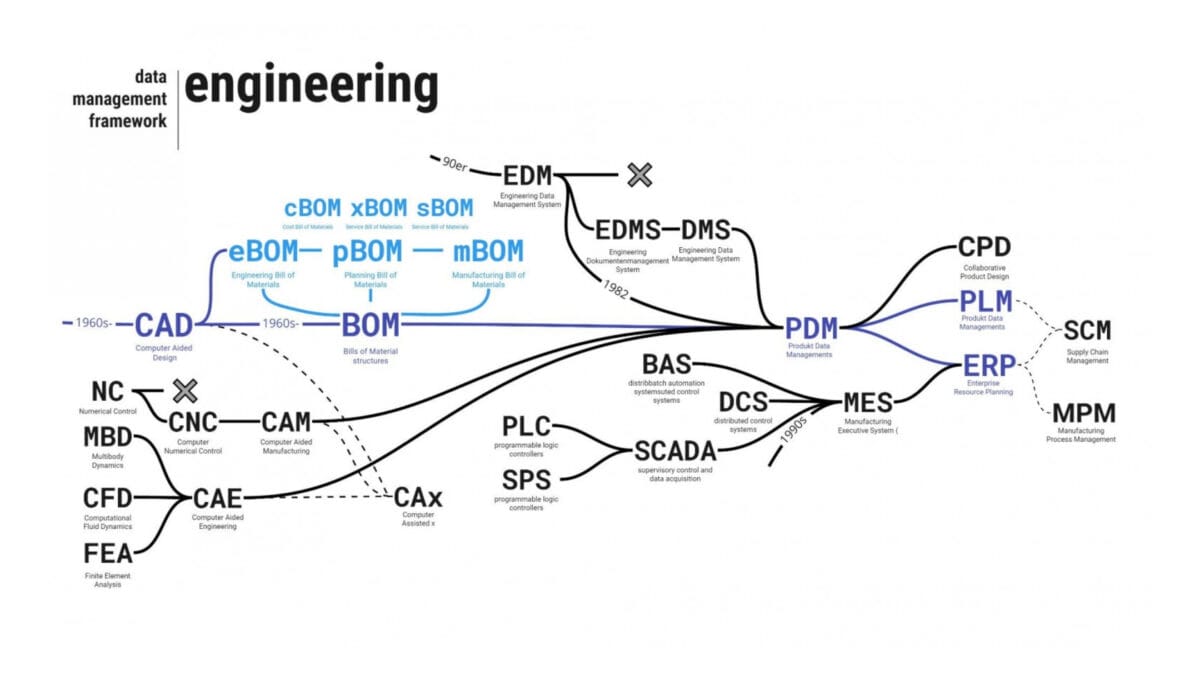
Since the mid-2000s, active marketing of the BIM-BOM concept in the construction industry has significantly increased interest in Revit® (BOM-BIM) software and the growth in popularity has been so massive in many countries that Revit® has virtually supplanted other CAD programs in the planning field, cementing its dominance in the global CAD (BIM) market by the early 2020s.
The modern marketing concept of BIM (Building Information Modeling), is a database integrated into CAD (BIM) programs, containing comprehensive information about the elements of the project. This database not only stores the geometry of elements, but also registers additional attributes and properties of each element, intended for transfer and export to external systems. A feature of CAD (BIM) databases that distinguishes them from other systems and databases used in construction is the need for specialized tools to access this data.

Since in BIM (CAD) data geometric information and attribute meta-information of are now in one format rather than split into logical files of already existing formats (semi-structured and structured formats), specialists have to use specialized BIM tools that help to work with this special BIM formats.

To store project data, modern CAD (BIM) programs usually offer the use of closed data formats, to which the user can access only through additional paid CAD (BIM) tools or limited API (Application Programming Interface) connections. An API is a request tool and intermediary that allows different computer programs to communicate with each other by sending requests and receiving responses.

Every CAD (BIM) system offers a quality and secure way to work with data, which facilitates the creation of automation and data processing chains, but this process is accompanied by the need to purchase subscriptions and pay for each data request.
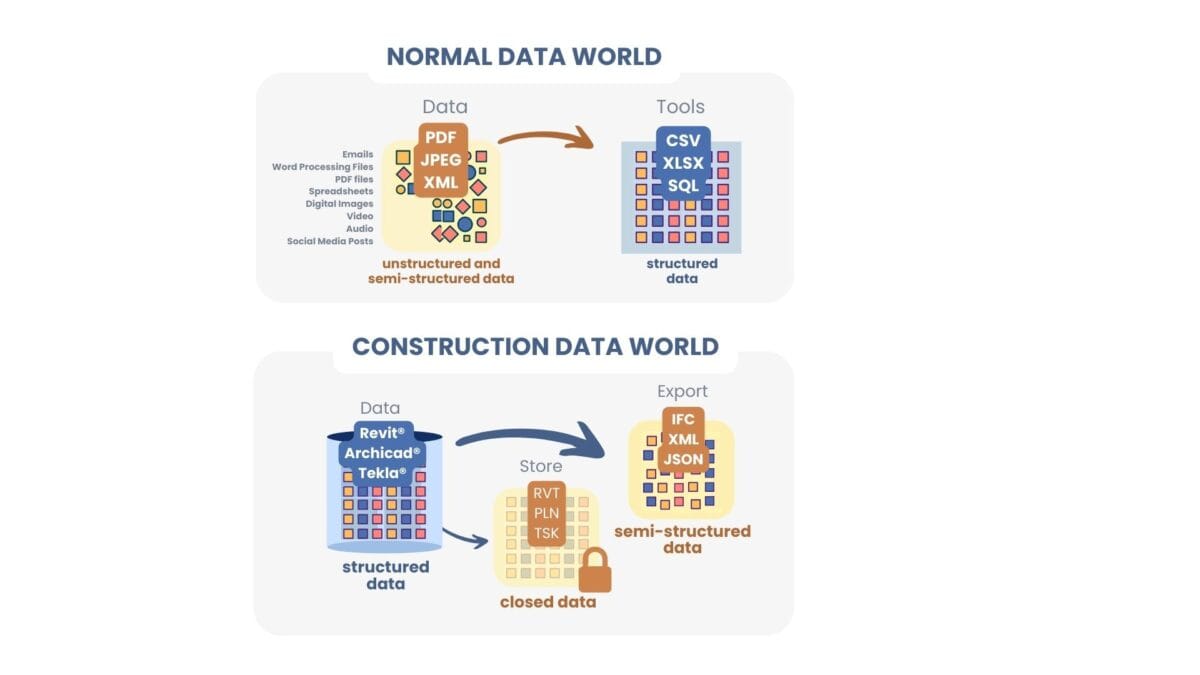
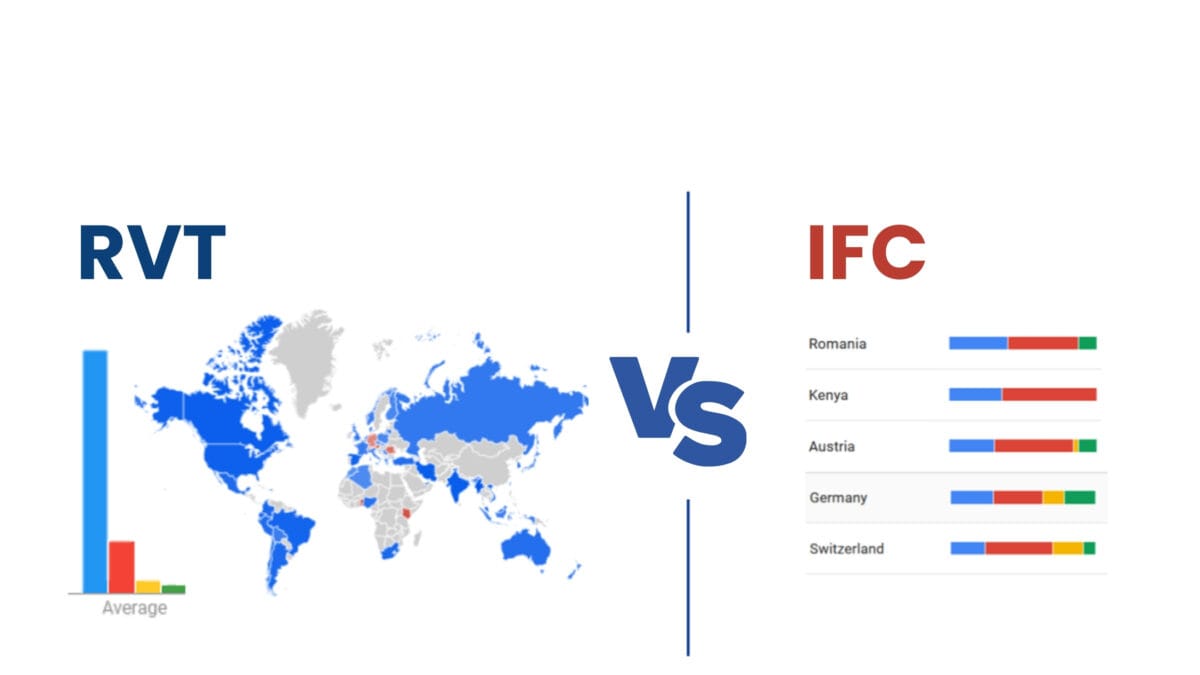
Alternatively, CAD (BIM) vendors provide the ability to export some of the project data into semi-structured formats or the open IFC (IGES-STEP) format.

Data quality issues and the complexity of the semi-structured «open BIM» IFC format do not allow direct use of this data for automation and process analysis, data processing, which often leads developers to the inevitable need to use closedBIM solutions with "quality" access to data.

Once we have familiarized ourselves with the basic data types and the differences between structured, semi-structured, and unstructured data, the need to recognize the scope and role that each data type plays in the overall flow of information business processes becomes apparent.

Leave a Reply

Change language

Post's Highlights

Stay updated: news and insights


We’re Here to Help

Fresh solutions are released through our social channels

UNLOCK THE POWER OF DATA
 IN CONSTRUCTION

Dive into the world of data-driven construction with this accessible guide, perfect for professionals and novices alike.
From the basics of data management to cutting-edge trends in digital transformation, this book
will be your comprehensive guide to using data in the construction industry.

Related posts 

Focus Areas

Search

Search
Sorry, no articles found.

✕

Don't miss the new solutions


✕
✕

Linux

macOS

Looking for the Linux or MAC version? Send us a quick message using the button below, and we’ll guide you through the process!

✕

📥 Download OnePager

Welcome to DataDrivenConstruction—where data meets innovation in the construction industry. Our One-Pager offers a concise overview of how our data-driven solutions can transform your projects, enhance efficiency, and drive sustainable growth. 

✕

🚀 Welcome to the future of data in construction!

You're taking your first step into the world of open data, working with normalized, structured data—the foundation of data analytics and modern automation tools.

By downloading, you agree to the DataDrivenConstruction terms of use 

Stay ahead with the latest updates on converters, tools, AI, LLM
and data analytics in construction — Subscribe now!

✕

🚀 Welcome to the future of data in construction!

You're taking your first step into the world of open data, working with normalized, structured data—the foundation of data analytics and modern automation tools.

By downloading, you agree to the DataDrivenConstruction terms of use 

Stay ahead with the latest updates on converters, tools, AI, LLM
and data analytics in construction — Subscribe now!

✕

🚀 Welcome to the future of data in construction!

You're taking your first step into the world of open data, working with normalized, structured data—the foundation of data analytics and modern automation tools.

By downloading, you agree to the DataDrivenConstruction terms of use 

Stay ahead with the latest updates on converters, tools, AI, LLM
and data analytics in construction — Subscribe now!

✕

🚀 Welcome to the future of data in construction!

You're taking your first step into the world of open data, working with normalized, structured data—the foundation of data analytics and modern automation tools.

By downloading, you agree to the DataDrivenConstruction terms of use 

Stay ahead with the latest updates on converters, tools, AI, LLM
and data analytics in construction — Subscribe now!

✕

🚀 Welcome to the future of data in construction!

You're taking your first step into the world of open data, working with normalized, structured data—the foundation of data analytics and modern automation tools.

By downloading, you agree to the DDC terms of use 

✕

🚀 Welcome to the future of data in construction!

You're taking your first step into the world of open data, working with normalized, structured data—the foundation of data analytics and modern automation tools.

By downloading, you agree to the DataDrivenConstruction terms of use 

Stay ahead with the latest updates on converters, tools, AI, LLM
and data analytics in construction — Subscribe now!

✕
DataDrivenConstruction offers workshops tested and practiced on global leaders in the construction industry to help your team navigate and leverage the power of data and artificial intelligence in your company's decision making.

Reserve your spot now to rethink your
approach to decision making!

✕


🚀 Welcome to the future of data in construction!

By downloading, you agree to the DataDrivenConstruction terms of use 

Stay ahead with the latest updates on converters, tools, AI, LLM
and data analytics in construction — Subscribe now!

✕
Have a question or need more information? Reach out to us directly!
Schedule a time to discuss your needs with our team.
Tailored sessions to help your team grow — let's plan together!
✕
Have you attended one of our workshops, read our book, or used our solutions? Share your thoughts with us!
Name
✕
Data Maturity Diagnostics

🧰 Data-Driven Readiness Check

This short assessment will help you identify your company's data management pain points and offer solutions to improve project efficiency. It takes only 1–2 minutes to complete and you will receive personalized recommendations tailored to your needs.

✕

Clean & Organized Data

Theoretical Chapters:

Practical Chapters:

What You'll Find on
DDC Solutions:

  • CAD/BIM to spreadsheet/database converters (Revit, AutoCAD, IFC, Microstation)
  • Ready-to-deploy n8n workflows for construction processes
  • ETL pipelines for data synchronization between systems
  • Customizable Python scripts for repetitive tasks
  • Intelligent data validation and error detection
  • Real-time dashboard connectors
  • Automated reporting systems
✕

Connect Everything

Theoretical Chapters:

Practical Chapters:

What You'll Find on
DDC Solutions:

  • CAD/BIM to spreadsheet/database converters (Revit, AutoCAD, IFC, Microstation)
  • Ready-to-deploy n8n workflows for construction processes
  • ETL pipelines for data synchronization between systems
  • Customizable Python scripts for repetitive tasks
  • Intelligent data validation and error detection
  • Real-time dashboard connectors
  • Automated reporting systems
✕

Add AI & LLM Brain

Theoretical Chapters:

Practical Chapters:

What You'll Find on
DDC Solutions:

  • CAD/BIM to spreadsheet/database converters (Revit, AutoCAD, IFC, Microstation)
  • Ready-to-deploy n8n workflows for construction processes
  • ETL pipelines for data synchronization between systems
  • Customizable Python scripts for repetitive tasks
  • Intelligent data validation and error detection
  • Real-time dashboard connectors
  • Automated reporting systems
BIM data and BOM-BIM concept
This website uses cookies to improve your experience. By using this website you agree to our Data Protection Policy.
Read more
×